

If you’re looking to manage your blood sugar more effectively, low glycemic foods are one of the most practical tools available to you. Not a fad diet. Not a supplement. Just a smarter way of choosing which carbohydrates you eat — and when.
The glycemic index (GI) ranks foods by how quickly they raise blood sugar after eating. Low glycemic foods raise glucose slowly and steadily, producing a much flatter energy curve than high-GI foods that spike and crash. After 55, when insulin sensitivity naturally declines, this difference matters more than ever.
This guide gives you a complete, practical list of low glycemic foods organised by category — with the context you need to actually use it day to day.
Free Guide: 7 Natural Ways to Help Support Healthy Blood Sugar After 55
Want to put this into practice? This free guide covers the most effective natural strategies for blood sugar control — written specifically for adults over 55.
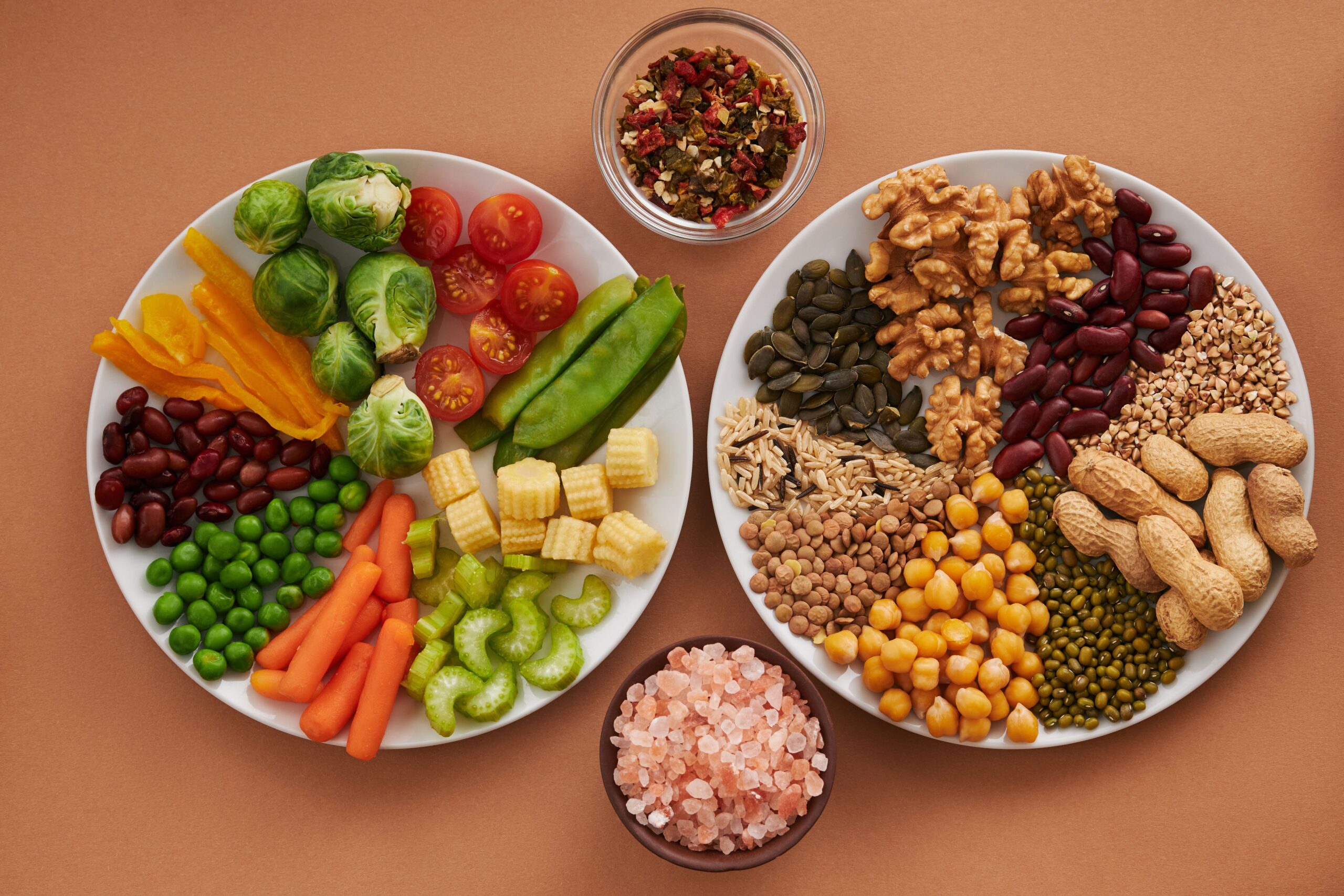
Low glycemic foods have a GI score of 55 or below. The best options for blood sugar control include non-starchy vegetables (GI 10–20), legumes like lentils and chickpeas (GI 24–32), most berries and stone fruits (GI 20–40), whole grains like oats and barley (GI 28–55), nuts and seeds (GI under 20), and dairy like plain yoghurt and milk (GI 15–27). These foods digest slowly, produce a gradual glucose rise, and help maintain stable energy — especially important after 55.
What Is the Glycemic Index?
The glycemic index is a ranking system from 0 to 100 that measures how quickly a carbohydrate-containing food raises blood glucose after eating, compared to pure glucose (which scores 100). The faster a food raises blood sugar, the higher its GI score.
According to Mayo Clinic, foods are categorised as low GI (55 or below), medium GI (56–69), or high GI (70 or above). Low GI foods digest and absorb more slowly, producing a gradual, steady rise in blood glucose rather than a sharp spike.
Several factors influence a food’s GI value. Foods higher in fibre, fat, or protein tend to have lower GI scores because these nutrients slow digestion. Cooking method matters too — al dente pasta has a lower GI than overcooked pasta. And ripeness affects fruit — a ripe banana has a higher GI than an underripe one.
- Low GI: 55 or below — slow, gradual glucose release
- Medium GI: 56–69 — moderate glucose rise
- High GI: 70 or above — rapid glucose spike
Complete Low Glycemic Foods List by Category
The following list covers the most practical and widely available low glycemic foods, organised by food group. GI values are approximate averages from published research — individual responses can vary.
Vegetables (Non-Starchy)
Non-starchy vegetables are among the lowest GI foods available — most score between 10 and 20. They’re also high in fibre, vitamins, and minerals. Eat these freely at every meal.
| Food | Approx. GI |
|---|---|
| Broccoli | 10 |
| Spinach | 15 |
| Zucchini (courgette) | 15 |
| Capsicum (bell pepper) | 10 |
| Cauliflower | 15 |
| Cucumber | 15 |
| Green beans | 15 |
| Tomatoes | 15 |
| Celery | 10 |
| Mushrooms | 10 |
Legumes
Legumes are among the best low glycemic foods for blood sugar control. They combine protein, fibre, and complex carbohydrates — a combination that produces one of the flattest glucose responses of any carbohydrate-containing food group.
| Food | Approx. GI |
|---|---|
| Lentils (red or green) | 24–32 |
| Chickpeas | 28 |
| Black beans | 30 |
| Kidney beans | 29 |
| Butter beans | 31 |
| Hummus | 6 |
| Soybeans (edamame) | 15 |
Fruits
Most whole fruits are low to medium GI. Berries, stone fruits, citrus, and apples are all excellent choices. Fruit juice — even 100% juice — removes the fibre and dramatically raises the GI, so whole fruit is always the better option.
| Food | Approx. GI |
|---|---|
| Cherries | 22 |
| Strawberries | 25 |
| Blueberries | 53 |
| Apple | 36 |
| Pear | 38 |
| Orange | 43 |
| Peach | 42 |
| Plum | 39 |
| Grapefruit | 25 |
| Underripe banana | 42–52 |
Whole Grains and Cereals
Not all grains are high GI. Minimally processed whole grains retain their fibre and structure — which significantly slows glucose absorption compared to refined white versions of the same grain.
| Food | Approx. GI |
|---|---|
| Rolled oats (uncooked) | 55 |
| Steel-cut oats | 42 |
| Barley (pearled) | 28 |
| Quinoa | 53 |
| Wholegrain bread (dense) | 51 |
| Sourdough bread (wheat) | 48–54 |
| Brown rice (cooked) | 50–55 |
| Pasta (al dente, wholegrain) | 37–50 |
| Rye bread (dense) | 41–50 |
Nuts and Seeds
Nuts and seeds are among the lowest GI foods available — most score under 20, and many effectively score zero because they contain so few carbohydrates. They’re also rich in healthy fats and protein, making them excellent blood sugar stabilisers when added to meals or eaten as snacks.
| Food | Approx. GI |
|---|---|
| Almonds | 0–15 |
| Walnuts | 15 |
| Cashews | 22 |
| Peanuts | 14 |
| Chia seeds | 1 |
| Flaxseeds (linseeds) | 35 |
| Sunflower seeds | 35 |
Dairy and Dairy Alternatives
| Food | Approx. GI |
|---|---|
| Full-fat milk | 27 |
| Skim milk | 32 |
| Plain Greek yoghurt | 11–12 |
| Plain yoghurt (full-fat) | 14–17 |
| Cheese (most varieties) | 0 |
| Unsweetened soy milk | 34 |
Protein Foods
Pure protein foods — meat, poultry, fish, eggs, and tofu — have a GI of effectively zero because they contain no carbohydrates. They don’t raise blood sugar directly, and adding them to carbohydrate-containing meals significantly reduces the overall glycemic response of the meal.
| Food | Approx. GI |
|---|---|
| Eggs | 0 |
| Chicken breast | 0 |
| Salmon / oily fish | 0 |
| Lean beef / lamb | 0 |
| Tofu | 15 |
| Tinned tuna / sardines | 0 |

Glycemic Index vs Glycemic Load: What’s the Difference?
GI alone doesn’t tell the whole story. A food can have a high GI but a low glycemic load (GL) if you eat it in a small portion — and a low GI food eaten in a large portion can still raise blood sugar significantly.
Glycemic load accounts for both the GI of a food and the amount of carbohydrate in a typical serving. It’s calculated as: GI × grams of carbohydrate per serving ÷ 100. A GL of 10 or below is considered low, 11–19 is medium, and 20 or above is high.
Watermelon is a useful example. Its GI is around 72 — high by GI standards. But a typical serving of watermelon contains very little carbohydrate, giving it a GL of just 4–5. In practice, a small serving of watermelon is unlikely to cause a significant blood sugar spike. Mayo Clinic explains this GI and GL distinction clearly and notes that portion size is always relevant.
Why Low Glycemic Foods Matter More After 55
Choosing low glycemic foods becomes increasingly important as you age — and for specific biological reasons, not just general health advice.
After 55, insulin sensitivity naturally declines. Your cells become less responsive to insulin, which means glucose from food stays in your bloodstream longer after eating. The sharper the glucose spike from a meal, the longer it takes to come down — and the more likely you are to experience symptoms like fatigue, brain fog, or post-meal energy crashes.
A systematic review and meta-analysis found that low GI diets were associated with significant reductions in HbA1c in people with diabetes — with meaningful improvements in blood sugar control compared to higher GI dietary patterns.
Reduced muscle mass after 55 compounds the issue. Muscle tissue is one of the primary sites for glucose uptake after a meal — less muscle means less capacity to clear glucose from the bloodstream efficiently. Choosing lower GI foods reduces the demand on an already-stretched system.
For a broader overview of which foods support and which foods undermine blood sugar control, see our guide to foods that lower blood sugar naturally after 55.
How to Build Low Glycemic Meals in Practice

Knowing which foods have a low GI is useful. Knowing how to combine them into practical meals is what actually makes a difference day to day. Here’s how to do it.
Use the Plate Method
Fill half your plate with non-starchy vegetables, a quarter with lean protein, and a quarter with a low GI carbohydrate. This structure naturally limits the glycemic load of any meal while ensuring you get adequate nutrition. It’s simple enough to apply without tracking or measuring.
Eat Vegetables and Protein First
Research suggests that eating vegetables and protein before carbohydrates at a meal significantly reduces the post-meal glucose rise. The fibre from vegetables forms a barrier in the digestive system that slows glucose absorption from whatever you eat afterwards. You don’t need to change what you eat — just the order.
Pair Higher GI Foods with Lower GI Ones
Adding protein, fat, or fibre to a higher GI food reduces the overall glycemic impact of the meal. White rice on its own has a high GI — white rice eaten with salmon, vegetables, and avocado produces a much lower glucose response. The pairing matters as much as the individual food.
Watch Portion Size on All Carbohydrates
Even the best low GI foods can raise blood sugar significantly when eaten in large quantities. A large bowl of oats will produce a higher glucose rise than a moderate portion — because glycemic load increases with quantity regardless of GI. Keep carbohydrate portions moderate and spread them across the day rather than concentrating them in one or two meals.
Walk After Meals
Diet and movement work together. Even a 10-minute walk after eating helps your muscles absorb glucose directly from the bloodstream — effectively lowering the post-meal glucose rise from any meal, including low GI ones. This is one of the most evidence-backed strategies available for blood sugar management after 55.
High GI Foods to Limit for Blood Sugar Control
For context and balance, here are the most common high GI foods that are worth limiting — particularly when eaten alone or in large portions. These raise blood glucose rapidly and are the most likely culprits behind post-meal energy crashes and persistent blood sugar elevation.
| High GI Food | Approx. GI | Lower GI Alternative |
|---|---|---|
| White bread | 75 | Dense wholegrain or sourdough (48–54) |
| White rice (cooked) | 72 | Brown rice or barley (28–55) |
| Cornflakes / puffed cereal | 81 | Steel-cut oats (42) |
| Sugary drinks / juice | 68–80 | Water, herbal tea, whole fruit |
| Baked potato | 85 | Sweet potato (44–61) or lentils |
| Rice cakes | 82 | Oat cakes or nuts with apple |
For a more detailed look at specific foods to avoid and why they cause glucose problems, our article on snacks for prediabetes covers the best and worst options for between-meal eating.
- Low glycemic foods have a GI score of 55 or below — they digest slowly and produce a gradual, steady glucose rise rather than a sharp spike.
- The best low GI food groups are non-starchy vegetables, legumes, most whole fruits, nuts and seeds, plain dairy, and minimally processed whole grains.
- After 55, choosing low glycemic foods matters more due to natural declines in insulin sensitivity and muscle mass — both of which reduce the body’s ability to clear glucose efficiently after meals.
- Glycemic load matters as much as GI — even low GI foods can raise blood sugar significantly in large portions. Keep carbohydrate portions moderate and spread across the day.
- Pairing higher GI foods with protein, fat, and fibre, and eating vegetables before carbohydrates, are the two most practical ways to reduce the glucose impact of any meal.
Want More Natural Blood Sugar Tips?
Join thousands of adults over 55 who receive our free weekly blood sugar guide — practical tips, honest research, and no fluff. Ever.
Frequently Asked Questions
What is considered a low glycemic food?
A food is considered low GI if it scores 55 or below on the glycemic index scale. This means it digests and absorbs slowly, producing a gradual rise in blood glucose rather than a sharp spike. Foods with no carbohydrates — like meat, fish, eggs, and most cheeses — score zero and have no direct effect on blood sugar.
Are low glycemic foods the same as low carb foods?
Not necessarily. Some low carb foods are also low GI, but the two approaches are different. Low GI focuses on the rate at which glucose enters the bloodstream, regardless of carbohydrate quantity. You can eat carbohydrates on a low GI approach — you just choose ones that digest more slowly. Lentils, oats, and most fruits are relatively high in carbohydrates but still low GI.
Can I eat fruit on a low glycemic diet?
Yes — most whole fruits are low to medium GI and are suitable for a blood sugar-conscious diet. Berries, apples, pears, oranges, cherries, and stone fruits are all excellent choices. The key is to eat whole fruit rather than juice, which removes the fibre that slows glucose absorption. Dried fruit has a significantly higher GI than fresh and should be eaten in smaller quantities.
Does cooking method affect the GI of food?
Yes — significantly. Overcooked pasta, rice, or oats has a higher GI than the same food cooked al dente or less thoroughly. Cooling cooked starchy foods before eating — like refrigerated leftover rice or pasta — reduces their GI through starch retrogradation. Roasting or baking potatoes produces a higher GI than boiling them and eating them cooled.
How quickly will a low GI diet improve blood sugar?
Some effects are immediate — post-meal glucose readings may be noticeably lower within days of switching to lower GI meals. Longer-term improvements in HbA1c typically take 8–12 weeks of consistent dietary change to show up in testing. Research suggests meaningful reductions in HbA1c are achievable through dietary changes alone, though individual results vary and medical guidance should always be part of a blood sugar management plan.