

Founder, HealthAfter55.com — Richard researches natural health strategies for adults over 55, with a focus on blood sugar, energy, and healthy ageing. He is not a medical professional. Always consult your doctor before making health changes.
If you’re over 55 and trying to keep your blood sugar in a healthy range, one of the most powerful tools available to you costs nothing extra and requires no prescription — it’s what you put on your plate. Knowing which foods that lower blood sugar naturally are best suited to older adults can make a significant difference to how you feel every day. The right choices support steadier glucose levels, reduce post-meal spikes, and help your body use insulin more efficiently. The wrong ones can do the opposite, even if they seem healthy on the surface.
This guide cuts through the noise and gives you a practical, research-backed list of the foods that lower blood sugar naturally after 55 — along with the science behind why they work, and how to start incorporating them today.
📋 Free Guide: 7 Natural Ways to Help Support Healthy Blood Sugar After 55
Diet is just one piece of the picture. Get our free guide covering 7 research-backed strategies for adults over 55 — including what to eat, how to move, and more.

Quick Answer
The foods that lower blood sugar naturally after 55 include non-starchy vegetables, legumes, berries, oily fish, nuts and seeds, eggs, whole oats, avocado, and leafy greens. These foods share key properties — they’re high in fibre, protein, or healthy fats, all of which slow glucose absorption and reduce post-meal blood sugar spikes. Equally important is what to reduce: refined carbohydrates, sugary drinks, white bread, and processed snacks are the biggest dietary drivers of blood sugar instability in older adults.
What’s In This Guide
Why Food Choices Matter More After 55
After 55, several age-related changes make blood sugar harder to manage naturally. Insulin sensitivity declines, muscle mass decreases (reducing the body’s capacity to absorb glucose), and pancreatic function gradually slows. Understanding which foods that lower blood sugar naturally are most effective for older adults gives you a significant advantage in managing these changes.
The same high-carbohydrate meal that produced a modest blood sugar rise at age 40 can produce a significantly larger spike — and a slower return to baseline — at 60. This isn’t a reason to panic; it’s a reason to be more intentional about which foods you eat and how you combine them.
Key Principle
You don’t need to eliminate carbohydrates to support healthy blood sugar. The foods that lower blood sugar naturally work best when combined with fibre, protein, and healthy fats — this slows glucose absorption and reduces the insulin demand on your pancreas after every meal.
Foods That Lower Blood Sugar Naturally After 55
1. Non-Starchy Vegetables
Broccoli, cauliflower, zucchini, spinach, kale, capsicum, green beans, cucumber, and asparagus are among the most blood-sugar-friendly foods you can eat. They’re high in fibre and water content, low in carbohydrates, and packed with micronutrients that support metabolic health. The fibre in non-starchy vegetables slows the digestion and absorption of any carbohydrates eaten alongside them, reducing the overall glycaemic impact of a meal.
Research published in Diabetes Care found that higher vegetable intake was consistently associated with better blood sugar control and reduced risk of type 2 diabetes in adults. Aim to fill at least half your plate with non-starchy vegetables at every main meal.
2. Legumes — Lentils, Chickpeas, and Beans
Legumes are one of the most underrated foods for blood sugar management. They have a naturally low glycaemic index, are high in soluble fibre, and contain a significant amount of plant protein — all of which contribute to slower glucose absorption and more stable post-meal blood sugar. A landmark study in the Archives of Internal Medicine found that legume consumption significantly improved HbA1c levels and reduced blood sugar spikes in adults with type 2 diabetes.
Practical options include lentil soup, chickpea-based dishes, black beans with eggs, or simply adding a scoop of legumes to salads. Even half a cup per day can make a measurable difference.
3. Berries
Among fruits, berries — blueberries, strawberries, raspberries, and blackberries — stand out for their relatively low sugar content, high fibre, and exceptional antioxidant profile. The polyphenols in berries, particularly anthocyanins, have been shown in research to improve insulin sensitivity and reduce post-meal glucose spikes. A study published in the Journal of Nutrition found that blueberry consumption improved insulin sensitivity in adults who were insulin resistant.
A handful of fresh or frozen berries with breakfast — added to oats or eaten with full-fat yoghurt — is one of the simplest blood-sugar-friendly dietary habits you can build.
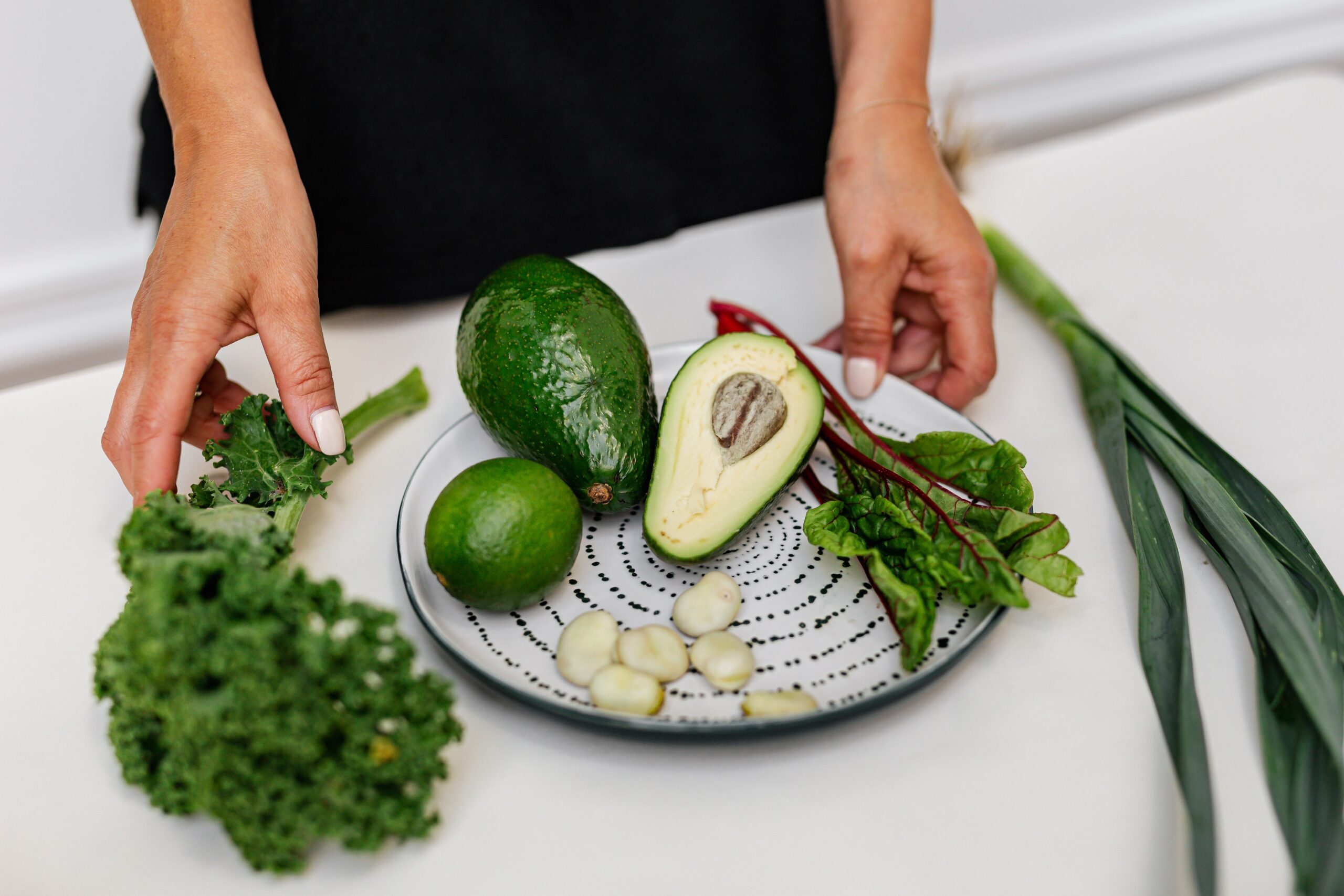
4. Oily Fish — Salmon, Sardines, and Mackerel
Oily fish are rich in omega-3 fatty acids, which support insulin sensitivity and reduce the chronic low-grade inflammation that is closely associated with insulin resistance in older adults. Unlike carbohydrate-rich foods, fish produces virtually no blood sugar response — making it an ideal protein source for the main meals of the day.
Research suggests that regular oily fish consumption is associated with improved metabolic markers in adults over 50, including better triglyceride levels and reduced inflammatory markers — both of which are relevant to blood sugar health.
5. Nuts and Seeds
Almonds, walnuts, Brazil nuts, chia seeds, and flaxseeds are high in healthy fats, fibre, and protein — a combination that has a negligible effect on blood sugar while supporting satiety and reducing post-meal glucose spikes when eaten alongside carbohydrates. A study in Diabetes Care found that daily nut consumption improved both fasting blood sugar and HbA1c in adults with type 2 diabetes.
A small handful of mixed nuts as a snack — rather than crackers, biscuits, or fruit juice — is one of the easiest dietary substitutions you can make for blood sugar stability.
6. Eggs
Eggs have essentially no carbohydrate content and are one of the most nutrient-dense foods available. They provide high-quality complete protein, healthy fats, and a range of micronutrients including choline, which supports metabolic function. Starting the day with eggs rather than toast, cereal, or pastries produces a dramatically different blood sugar response — and research suggests that higher protein breakfasts are associated with better glucose control throughout the day in older adults.
7. Whole Oats
Among grains, whole rolled oats or steel-cut oats stand apart from other breakfast options. They contain beta-glucan — a soluble fibre that forms a gel in the digestive tract, slowing glucose absorption and reducing the post-meal blood sugar response. A review in Nutrients confirmed that beta-glucan from oats meaningfully reduces post-meal blood glucose and improves insulin response.
Note: instant oats are significantly more processed and have a higher glycaemic index than rolled or steel-cut oats. The cooking time difference is worth it for blood sugar management.
8. Avocado
Avocado is one of the few fruits that is high in fat rather than sugar. Its monounsaturated fat content slows digestion, reduces the glycaemic impact of meals eaten alongside it, and supports sustained energy. Research has linked regular avocado consumption to better insulin sensitivity and improved lipid profiles — particularly relevant for adults over 55 who are managing multiple metabolic risk factors simultaneously.
9. Leafy Greens — Spinach, Kale, and Silverbeet
Leafy greens are extremely low in digestible carbohydrates and high in magnesium — a mineral that plays a direct role in insulin function. Magnesium deficiency, which becomes more common with age, has been linked to increased insulin resistance. Regular consumption of magnesium-rich leafy greens may help support better insulin sensitivity, particularly in adults whose dietary magnesium intake is suboptimal.
10. Apple Cider Vinegar (With Meals)
While not a food in the traditional sense, apple cider vinegar deserves mention because of its surprisingly well-researched effect on post-meal blood sugar. Several small clinical trials have found that consuming 1–2 tablespoons of apple cider vinegar diluted in water before or during a meal can reduce the post-meal glucose spike by slowing gastric emptying and improving insulin sensitivity. It’s a simple, low-cost addition that some adults over 55 find genuinely useful.
How to Combine These Foods
The most effective approach to using foods that lower blood sugar naturally is to combine them at each meal rather than eating them in isolation. Protein + fibre + healthy fat at every meal is the framework. For example: eggs with spinach and avocado; salmon with roasted vegetables and lentils; oats with berries and a handful of nuts. This combination consistently produces a lower blood sugar response than any single food eaten alone.

Foods to Limit or Avoid for Better Blood Sugar After 55
Knowing which foods that lower blood sugar naturally to prioritise is only half the picture. The foods that drive blood sugar instability in older adults are often the ones most present in a typical Western diet — and many of them don’t look obviously unhealthy.
| Food / Category | Why It’s Problematic | Better Alternative |
|---|---|---|
| White bread & white rice | Rapidly converts to glucose, causing sharp post-meal spikes | Sourdough, wholegrain bread, cauliflower rice, legumes |
| Sugary drinks & fruit juice | Liquid sugar absorbs almost instantly, causing rapid blood glucose spikes | Water, sparkling water, herbal tea, black coffee |
| Breakfast cereals | Most are highly processed with a high glycaemic index despite appearing healthy | Rolled oats, eggs, full-fat Greek yoghurt with berries |
| Packaged snack foods | Typically high in refined carbs, added sugar, and seed oils | Nuts, boiled eggs, vegetable sticks with hummus |
| Low-fat flavoured yoghurt | Fat removed and replaced with sugar to maintain palatability | Full-fat plain Greek yoghurt with fresh berries |
| Tropical fruits in large portions | Mangoes, bananas, pineapple, and watermelon are higher in sugar and GI | Berries, green apples, pears — eaten with protein or fat |
Watch Out for “Healthy” Labels
Many foods marketed as healthy — fruit juice, low-fat yoghurt, wholegrain crackers, muesli bars, smoothies — can still cause significant blood sugar spikes in adults over 55. Always check the sugar content per serving rather than relying on front-of-pack health claims. If a product has more than 10g of sugar per 100g, treat it with caution.
Meal Timing and Portion Size After 55
What you eat matters — but so does when and how much. After 55, glucose tolerance tends to be highest in the morning and declines through the day. This means the same meal eaten at breakfast will typically produce a smaller blood sugar spike than the same meal eaten at dinner.
Front-load your carbohydrates
Research supports eating more of your carbohydrate intake earlier in the day — at breakfast and lunch — and keeping evening meals lower in carbohydrates and higher in protein and vegetables. This aligns your food intake with your body’s natural glucose tolerance rhythm and can meaningfully reduce overnight blood sugar elevation.
Don’t skip meals
Skipping meals — particularly breakfast — can undermine the benefits of foods that lower blood sugar naturally, causing compensatory overeating later in the day and larger post-meal glucose spikes. Regular, consistent meal timing helps the body anticipate and prepare for glucose intake, supporting a more measured insulin response.
Watch portion sizes at dinner
Large evening meals — particularly those high in carbohydrates — are associated with elevated overnight blood sugar in older adults. Keeping dinner portions modest and focusing on protein, vegetables, and healthy fats supports better overnight glucose regulation.
The Post-Meal Walk
Pairing the right foods with a 10–15 minute walk after meals is one of the most effective blood sugar strategies available. Exercise allows muscles to absorb glucose independently of insulin — so even a short walk after lunch or dinner can meaningfully reduce the post-meal glucose spike, regardless of what you ate.
A Sample Day of Blood Sugar Friendly Eating After 55
Here’s what a practical day of eating looks like when you focus on foods that lower blood sugar naturally — using everyday ingredients, no exotic products, and no calorie counting required.
| Meal | Example | Why It Works |
|---|---|---|
| Breakfast | 2 scrambled eggs with spinach, half an avocado, and a small handful of blueberries | High protein and fat start, minimal glucose impact, fibre from spinach and berries |
| Mid-morning snack | Small handful of almonds and walnuts | Negligible glucose impact, supports satiety until lunch |
| Lunch | Tinned salmon or sardines on a large salad with chickpeas, cucumber, capsicum, and olive oil dressing | Omega-3s, protein, and legume fibre — a low-GI, nutrient-dense combination |
| Afternoon snack | Full-fat plain Greek yoghurt with a small handful of berries | Protein and fat slow any fruit sugar absorption; avoids the afternoon carb-crash cycle |
| Dinner | Baked salmon with roasted broccoli, cauliflower, and a small serving of lentils | Low carbohydrate evening meal with fibre, protein, and healthy fats — supports overnight glucose stability |
Key Takeaways
- The foods that lower blood sugar naturally after 55 include non-starchy vegetables, legumes, berries, oily fish, nuts, eggs, whole oats, avocado, and leafy greens — all of which slow glucose absorption and reduce post-meal spikes.
- The biggest dietary drivers of blood sugar instability are refined carbohydrates, sugary drinks, fruit juice, processed breakfast cereals, and packaged snacks.
- Combining protein, fibre, and healthy fat at every meal is the most effective dietary framework for blood sugar stability — more so than focusing on any single food in isolation.
- Meal timing matters: eating more carbohydrates earlier in the day and keeping evening meals lower in carbohydrates aligns with the body’s natural glucose tolerance rhythm after 55.
- A 10–15 minute walk after meals amplifies the effect of good food choices by activating glucose uptake in muscles independently of insulin.
- You don’t need a perfect diet — consistent improvements in food choices compound over weeks and months into measurable changes in blood sugar, energy, and overall metabolic health.
Want the Full Natural Blood Sugar Strategy?
Download our free guide — 7 Natural Ways to Help Support Healthy Blood Sugar After 55 — covering diet, movement, sleep, and more in a simple, practical format written specifically for adults your age.
For related reading, see our articles on best snacks for prediabetes, foods that spike blood sugar, and is honey bad for type 2 diabetes.
Frequently Asked Questions
What is the single best food for lowering blood sugar?
There is no single best food — the foods that lower blood sugar naturally work best as part of an overall dietary pattern rather than in isolation. That said, non-starchy vegetables and legumes consistently appear at the top of the research for their combination of fibre, low glycaemic index, and micronutrient density. If you could make just one change, replacing refined carbohydrates with legumes or non-starchy vegetables at each meal would likely have the greatest impact.
Is fruit bad for blood sugar after 55?
Not all fruit is equal. Berries, green apples, and pears are among the foods that lower blood sugar naturally — they have a lower glycaemic index and higher fibre content. Tropical fruits such as mangoes, bananas, pineapple, and watermelon are higher in sugar and should be eaten in smaller portions — ideally alongside protein or fat to slow glucose absorption. Fruit juice, even freshly squeezed, removes the fibre and concentrates the sugar, making it a poor choice for blood sugar stability.
Should I go low-carb for blood sugar control after 55?
A low-carbohydrate diet can be effective and has good research support. However, it isn’t the only approach — for many adults over 55, a Mediterranean-style diet built around foods that lower blood sugar naturally (whole foods, healthy fats, lean protein, legumes, and vegetables) achieves similar results without strict restriction. The key is reducing refined and processed carbohydrates specifically, not eliminating all carbohydrates. Always discuss significant dietary changes with your GP, particularly if you take medication for blood sugar or blood pressure.
How quickly can diet changes improve blood sugar?
When you consistently eat foods that lower blood sugar naturally, post-meal improvements can be seen within days — particularly when you reduce refined carbohydrates and increase fibre, protein, and healthy fats at each meal. Fasting blood sugar and HbA1c typically take longer to shift — usually 4–12 weeks of consistent dietary change before meaningful improvements appear on blood tests. The speed of improvement depends on how significant the starting changes are and whether lifestyle factors such as physical activity and sleep quality are also being addressed.
Are there drinks that help with blood sugar?
Water is the best drink for blood sugar — staying hydrated prevents glucose from becoming artificially concentrated in the blood. Green tea has some evidence supporting modest improvements in insulin sensitivity. Black coffee (without sugar) has been associated with reduced diabetes risk in several large studies, though it can raise blood sugar acutely in some people. Apple cider vinegar diluted in water before meals is one of the foods that lower blood sugar naturally with the most consistent small-trial evidence. Avoid sugary drinks, fruit juices, flavoured waters, and sports drinks entirely — these are among the most significant dietary drivers of blood sugar instability.
Richard Wells is the founder of HealthAfter55.com, a resource dedicated to natural health strategies for adults over 55. He researches and writes about blood sugar, energy, and healthy ageing — translating complex science into practical, plain-English guidance. Richard is not a medical professional. Always consult your doctor before making any changes to your health routine.