

Founder, HealthAfter55.com — Richard researches natural health strategies for adults over 55, with a focus on blood sugar, energy, and healthy ageing. He is not a medical professional. Always consult your doctor before making health changes.
Free Guide: 7 Natural Ways to Help Support Healthy Blood Sugar After 55
Want to put this into practice? This free guide covers the most effective natural strategies for blood sugar control — written specifically for adults over 55.
If you’ve been told to “eat better” for your blood sugar but nobody has actually shown you what that means day to day — you’re not alone.
Most diabetic diet advice is either too vague to be useful or so restrictive it feels impossible to follow. Cut carbs. Avoid sugar. Eat more vegetables. But what does a real day of eating actually look like when you’re managing blood sugar after 55?
That’s exactly what this guide covers. A practical, realistic diabetic diet meal plan built around foods that are easy to find, simple to prepare, and genuinely effective at keeping your glucose levels steady throughout the day.
No extreme restrictions. No complicated calorie counting. Just clear, honest guidance on what to eat every day — and why it works.
A diabetic diet meal plan focuses on low glycaemic foods, lean protein, healthy fats, and plenty of non-starchy vegetables eaten at consistent times throughout the day. For adults over 55, this approach helps keep blood sugar steady, reduces energy crashes, and supports long-term metabolic health without extreme restriction.
What a Diabetic Diet Actually Means
The term “diabetic diet” can sound alarming — like a list of everything you can no longer enjoy. But the reality is far more straightforward than most people expect.
A diabetic diet is simply an eating pattern designed to keep your blood glucose levels within a healthy range. It prioritises foods that digest slowly, avoiding the sharp spikes and crashes in blood sugar that put stress on your body over time.
There’s no single “diabetic diet” — research supports several approaches including the Mediterranean diet, low-glycaemic eating, and lower-carbohydrate diets. What they all have in common is an emphasis on whole, minimally processed foods and consistent meal timing.
For adults over 55, there’s an added layer of importance. As insulin sensitivity naturally declines with age, your body becomes less efficient at managing glucose after meals. A well-structured eating plan helps compensate for this — reducing the burden on your pancreas and keeping energy levels stable throughout the day.
Best Foods for a Diabetic Diet Meal Plan
When building a diabetic diet meal plan, the foundation is always the same: foods that release glucose slowly, keep you full, and deliver real nutritional value. Here’s what to focus on.
Non-Starchy Vegetables
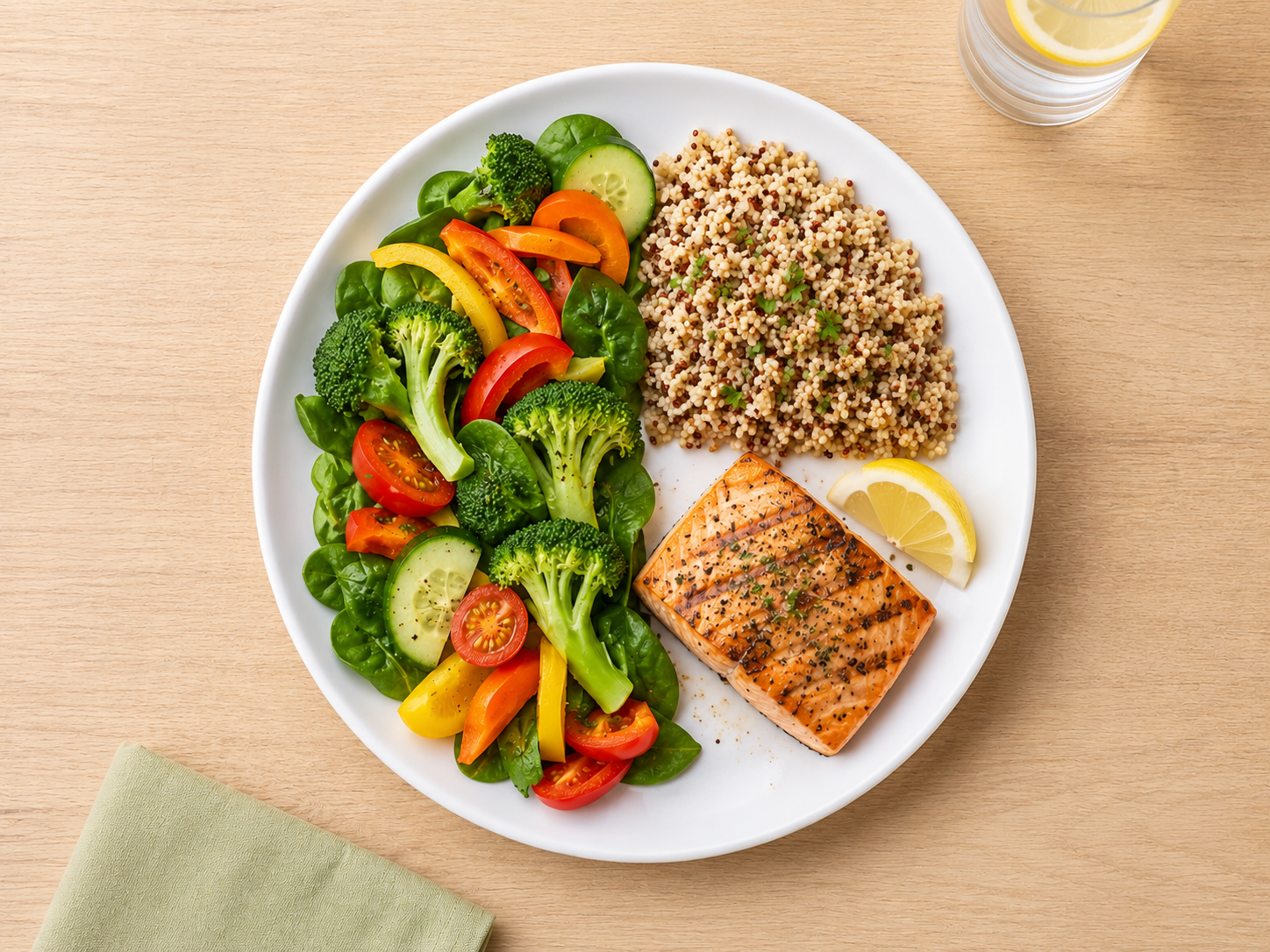
These should fill at least half your plate at every meal. Broccoli, spinach, kale, cauliflower, zucchini, capsicum, green beans, and cucumber all have a minimal effect on blood sugar while delivering fibre, vitamins, and antioxidants your body needs.
Lean Protein
Protein has very little effect on blood glucose and helps slow the absorption of carbohydrates eaten in the same meal. Good options include chicken breast, turkey, fish (especially oily fish like salmon and sardines), eggs, tofu, legumes, and low-fat dairy.
Low Glycaemic Carbohydrates
Not all carbs are equal. Opt for wholegrains like oats, brown rice, barley, and quinoa over white bread and white rice. Legumes such as lentils, chickpeas, and kidney beans are particularly good — they’re high in fibre and have a very low glycaemic index. For a full breakdown, our guide to low glycaemic foods covers the complete list by category.
Healthy Fats
Avocado, olive oil, nuts, and seeds all support blood sugar management by slowing digestion and reducing post-meal glucose spikes. A small handful of almonds or walnuts with a meal can make a meaningful difference to how your body responds.
Foods to Limit or Avoid
You don’t need to eliminate entire food groups — but some foods consistently cause problems for blood sugar management and are worth keeping to a minimum.
| Limit These | Choose These Instead |
|---|---|
| White bread, white rice, white pasta | Wholegrain bread, brown rice, wholegrain pasta |
| Sugary drinks, fruit juice, soft drinks | Water, herbal tea, sparkling water with lemon |
| Processed snacks, biscuits, packaged cakes | A small handful of nuts, plain yoghurt, boiled eggs |
| Fried foods, takeaway meals | Grilled, baked, or steamed options |
| Full-fat processed meats (bacon, sausages) | Chicken, fish, legumes, eggs |
It’s also worth being aware of foods that spike blood sugar unexpectedly — some items marketed as “healthy” can still cause significant glucose rises in people over 55.
A Simple 3-Day Diabetic Diet Meal Plan
The following diabetic diet meal plan is designed to be practical — using everyday ingredients, straightforward preparation, and realistic portion sizes. It’s a starting point, not a rigid prescription. The Mayo Clinic and a 2022 systematic review and meta-analysis both support this style of balanced, low-GI approach for blood sugar management.
Day 1
| Meal | What to Eat |
|---|---|
| Breakfast | Rolled oats with unsweetened almond milk, a small handful of blueberries, and a sprinkle of chia seeds |
| Morning Snack | A small handful of almonds and a boiled egg |
| Lunch | Grilled chicken breast with a large mixed salad (leafy greens, cucumber, cherry tomatoes, olive oil and lemon dressing) and a small serve of lentils |
| Afternoon Snack | Plain Greek yoghurt with a few walnuts |
| Dinner | Baked salmon with steamed broccoli, cauliflower, and a small serve of brown rice |
Day 2
| Meal | What to Eat |
|---|---|
| Breakfast | Two scrambled eggs on a slice of wholegrain toast with half an avocado |
| Morning Snack | A small apple with a tablespoon of almond butter |
| Lunch | Lentil and vegetable soup with a small piece of wholegrain bread |
| Afternoon Snack | Celery sticks with hummus |
| Dinner | Stir-fried tofu with mixed vegetables (capsicum, zucchini, bok choy) in a light soy and ginger sauce, served with a small serve of quinoa |
Day 3
| Meal | What to Eat |
|---|---|
| Breakfast | Plain Greek yoghurt with mixed berries, a tablespoon of ground flaxseed, and a small handful of pumpkin seeds |
| Morning Snack | A small handful of mixed nuts |
| Lunch | Tuna and chickpea salad with leafy greens, red onion, cucumber, and a drizzle of olive oil |
| Afternoon Snack | Sliced capsicum and cucumber with tzatziki |
| Dinner | Grilled chicken thighs with roasted vegetables (a small serve of sweet potato, zucchini, capsicum) and a small side salad |
Why Meal Timing Matters After 55
What you eat matters. But when you eat can be just as important — especially once you’re past 55.
Skipping meals — particularly breakfast — can contribute to unstable blood sugar throughout the day, leading to energy dips, cravings, and overeating at the next meal. For those managing blood sugar with medication, skipping meals carries additional risks and should always be discussed with your doctor first.
Research suggests that eating at consistent times each day helps your body anticipate meals and manage insulin more efficiently. Aim to eat every 3–4 hours and try not to let gaps extend beyond 5 hours during the day.
Evening meals are worth particular attention. Research published on PubMed indicates that glucose tolerance is lower later in the day — meaning the same meal eaten at 8pm may raise blood sugar more than the same meal eaten at 6pm. Where possible, aim to finish eating at least 2–3 hours before bed.
Practical Tips for Sticking to It
Knowing what to eat is one thing. Actually doing it consistently — especially when life gets busy — is where most people struggle. These practical strategies make it significantly easier.
Prep in Batches
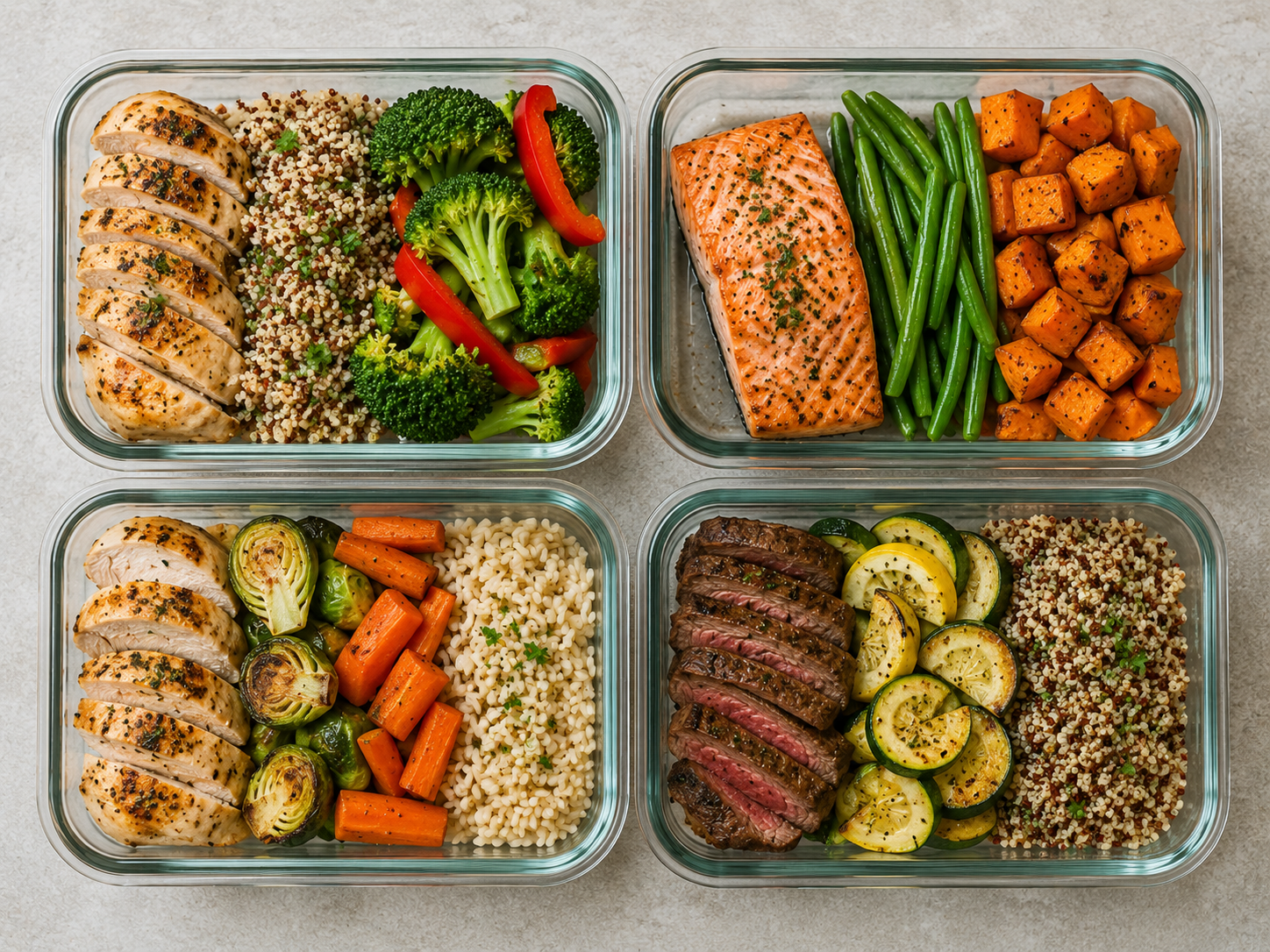
Cook a large batch of brown rice, lentils, or roasted vegetables once or twice a week. Having these ready in the fridge means meals come together in minutes, and you’re far less likely to reach for something convenient but unhelpful.
Keep Smart Snacks Within Reach
Hunger between meals is when most people make poor food choices. Keep a small container of nuts, a boiled egg, or plain yoghurt easily accessible. If the right food is the easiest option, you’ll choose it.
Read Labels on Packaged Foods
Many foods labelled “low fat” or “natural” contain surprisingly high amounts of added sugar. Check the nutrition panel and aim for less than 5g of sugar per 100g as a general guide for packaged snacks — though note this doesn’t apply to plain dairy like yoghurt, where the sugar is naturally occurring lactose and not a concern.
Don’t Aim for Perfection
One meal that doesn’t fit the plan won’t derail your blood sugar management. What matters is the pattern across days and weeks, not any single meal. Consistency over time is what produces results.
For a broader look at foods that actively support glucose control, our article on foods that lower blood sugar naturally goes deeper into the research.
- A diabetic diet meal plan isn’t about restriction — it’s about choosing the right foods in the right combinations at the right times.
- Fill at least half your plate with non-starchy vegetables at every meal and pair carbohydrates with protein and healthy fat.
- Low glycaemic carbohydrates like oats, lentils, chickpeas, and brown rice are far better choices than white bread, white rice, and sugary snacks.
- Consistent meal timing — eating every 3–4 hours — helps your body manage glucose more efficiently throughout the day.
- Meal prep and keeping smart snacks accessible are the two most practical habits for long-term consistency.
Want More Natural Blood Sugar Tips?
Join adults over 55 across Australia and beyond who receive our free weekly blood sugar guide — practical tips, honest research, and no fluff. Ever.
Frequently Asked Questions
What is the best breakfast for a diabetic diet meal plan?
Rolled oats, eggs with wholegrain toast and avocado, or plain Greek yoghurt with berries and seeds are all excellent options. The key is combining a low glycaemic carbohydrate with protein and healthy fat to slow glucose absorption and keep you full until your next meal.
Can I eat fruit on a diabetic diet?
Yes — most whole fruits are fine in moderate portions. Berries, apples, pears, and citrus fruits have a relatively low glycaemic index and deliver fibre and antioxidants. Avoid fruit juice, which removes the fibre and delivers a concentrated hit of sugar. Stick to one to two small serves of fruit per day.
How many carbs should I eat per day on a diabetic diet?
There’s no universal answer — it depends on your individual health situation, activity level, and any medications you’re taking. As a general guide, many health authorities suggest spreading carbohydrate intake evenly across 3 meals rather than focusing on a specific gram target. Always discuss carbohydrate goals with your doctor or dietitian.
Is a low-carb diet better than a low-GI diet for blood sugar?
Both approaches may support better blood sugar control, and research suggests both can be effective. A low-GI diet tends to be easier to sustain long-term because it’s less restrictive, while a lower-carb approach may produce faster initial results for some people. The best diet is one you can maintain consistently over time.
Do I need to count calories on a diabetic diet meal plan?
Not necessarily. Focusing on food quality — choosing whole, unprocessed foods — and portion awareness using the plate method tends to naturally regulate calorie intake without the need for tracking. Calorie counting can be a useful tool for some people, but it isn’t essential if you’re building meals around the right foods.