

Hyperglycemia symptoms — the signs of high blood sugar — are something every adult over 55 should be able to recognise. Not because they signal a crisis every time, but because catching them early gives you the best chance to act before small problems become serious ones.
What makes hyperglycemia particularly challenging after 55 is that the classic symptoms can be subtle, easy to dismiss, or mistaken for normal ageing. Fatigue, frequent urination, and feeling a little off — these are easy to explain away. But when they form a pattern, they’re telling you something worth listening to.
This guide covers what hyperglycemia actually is, the full range of symptoms to watch for, why older adults often experience them differently, and what to do if you recognise them in yourself.
Free Guide: 7 Natural Ways to Help Support Healthy Blood Sugar After 55
If blood sugar is something you want to get on top of, this free guide covers the most practical, research-backed strategies — written specifically for adults over 55.

Hyperglycemia symptoms include excessive thirst, frequent urination, fatigue, blurred vision, headaches, slow-healing wounds, and recurrent infections. After 55, these symptoms are often milder or more gradual than in younger people — making them easier to miss. Fasting blood glucose above 7.0 mmol/L (126 mg/dL) or post-meal readings above 10 mmol/L (180 mg/dL) are generally considered elevated and worth discussing with your doctor.
What Is Hyperglycemia?
Hyperglycemia simply means high blood sugar — from the Greek words for “high,” “sweet,” and “blood.” It occurs when there is more glucose in the bloodstream than the body can effectively manage, either because insulin production is insufficient, or because the body’s cells are not responding to insulin properly.
Clinically, hyperglycemia is defined as a fasting blood glucose reading above 7.0 mmol/L (126 mg/dL), or a reading above 10 mmol/L (180 mg/dL) two hours after eating. However, according to NIH StatPearls, even readings between these thresholds can cause symptoms in some individuals — particularly those over 55 whose bodies are less able to compensate.
Hyperglycemia is not the same as having diabetes — it can occur in people without a diabetes diagnosis, particularly after large meals, during illness, under significant stress, or as a result of certain medications. That said, frequent or persistent hyperglycemia is the defining feature of both prediabetes and type 2 diabetes.
Hyperglycemia Symptoms: The Full List
Hyperglycemia symptoms develop on a spectrum — from mild signs that are easy to overlook, to more serious warning signals that demand urgent attention. Here’s what to watch for at each stage.
Early and Mild Hyperglycemia Symptoms
These are the symptoms most commonly experienced in day-to-day life when blood glucose is moderately elevated. They tend to come on gradually and are easily dismissed.
| Symptom | Why It Happens |
|---|---|
| Excessive thirst (polydipsia) | High glucose draws water out of cells, triggering thirst signals |
| Frequent urination (polyuria) | Kidneys filter excess glucose through urine, increasing output |
| Fatigue and low energy | Cells can’t absorb glucose efficiently, leaving the body energy-deprived |
| Blurred vision | High glucose affects fluid balance in the eye’s lens |
| Headaches | Dehydration and vascular changes triggered by elevated glucose |
| Difficulty concentrating | The brain’s glucose supply becomes inefficient under hyperglycemia |
| Increased hunger | Cells signal hunger despite high glucose because they can’t access it |
Signs of Longer-Term or Persistent Hyperglycemia
When blood glucose stays elevated over weeks or months, additional signs begin to appear. These develop more slowly but are significant — they indicate that high glucose is affecting your body’s tissues and systems.
Slow-healing wounds or cuts — High glucose impairs circulation and immune function, slowing the body’s normal repair process. A minor cut or graze that takes weeks to heal is a meaningful warning sign, particularly after 55.
Recurrent infections — Elevated glucose creates an environment where bacteria and fungi thrive. Frequent skin infections, urinary tract infections, or recurring thrush can all be signs of persistently high blood sugar.
Tingling or numbness in hands or feet — This is an early sign of peripheral neuropathy — nerve damage caused by prolonged exposure to elevated glucose. It often starts as mild tingling and can progress to burning or numbness.
Unexplained weight loss — When the body can’t use glucose for energy, it begins breaking down fat and muscle instead. Unintentional weight loss without dietary changes is a significant hyperglycemia symptom that warrants prompt medical review.
Dry or itchy skin — Dehydration caused by high glucose and poor circulation to the skin can cause persistent dryness, itching, or skin that feels thicker than usual.
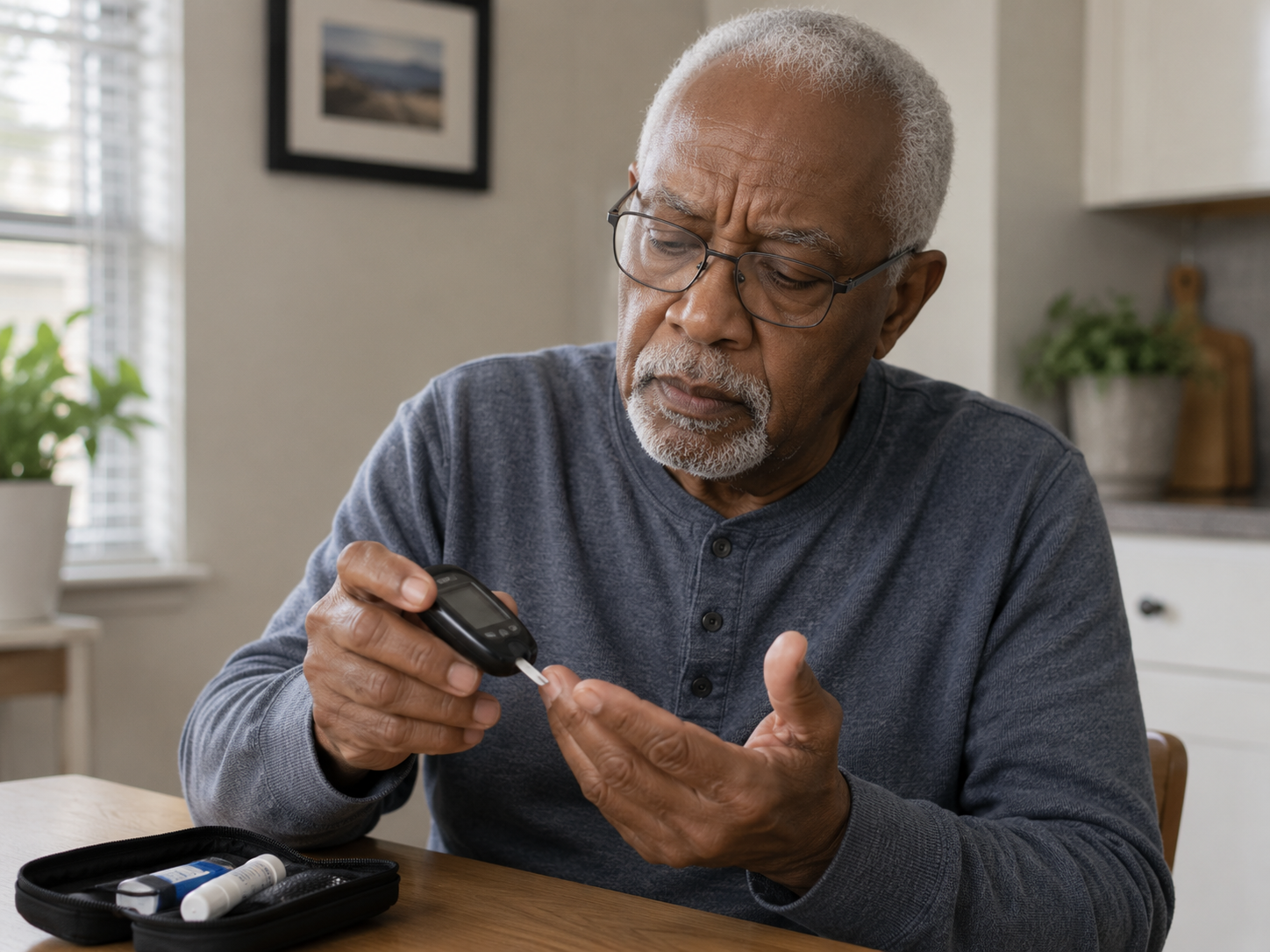
Why Hyperglycemia Symptoms Are Different After 55
One of the most important things to understand about hyperglycemia after 55 is that the classic symptoms are often muted or absent. This is not a minor distinction — it’s one reason so many older adults live with elevated blood sugar for years without knowing it.
Research published in PMC confirms that older adults are less likely to experience typical hyperglycemia symptoms like excessive thirst and urination — because the kidney’s glucose threshold rises with age and the thirst mechanism becomes less sensitive. Instead, fatigue, weight loss, and cognitive changes are more commonly the presenting signs.
This matters enormously. If you’re waiting to feel dramatically thirsty or to notice obvious urination changes before taking action, you may be waiting too long. After 55, the signals are quieter — which makes knowing what to look for even more important.
Age-Related Changes That Mask Hyperglycemia Symptoms
Several physiological changes after 55 reduce the visibility of high blood sugar symptoms. The renal threshold for glucose — the point at which the kidneys start excreting glucose in urine — increases with age. This means older adults may have significantly elevated blood glucose without the classic urinary symptoms that would alert a younger person.
The thirst response also weakens with age, making dehydration and concentrated blood glucose less likely to trigger an obvious warning signal. And fatigue — one of the most consistent hyperglycemia symptoms at any age — is easily explained away as a natural part of getting older rather than recognised as a medical signal.
What Causes Hyperglycemia After 55
Understanding what’s driving your hyperglycemia symptoms is the first step toward managing them. The causes after 55 are varied — and often multiple factors are at play simultaneously.
Insulin Resistance
The most common underlying cause. As you age, your cells become less responsive to insulin — meaning glucose stays in the bloodstream longer after meals. This is a gradual process that begins well before 55 but accelerates with age, reduced muscle mass, and reduced physical activity.
Diet and Meal Composition
High-carbohydrate or high-sugar meals produce larger glucose rises than the body can manage efficiently. After 55, the same meal that was manageable at 40 may produce a more significant hyperglycaemic response due to reduced insulin sensitivity and lower muscle mass to absorb glucose.
Medications
Several commonly prescribed medications can raise blood glucose as a side effect. Corticosteroids are the most significant, but thiazide diuretics, some beta-blockers, certain antidepressants, and statins can also contribute. If your blood sugar has worsened since starting a new medication, raise it with your doctor.
Illness, Infection or Stress
Physical illness and emotional stress both trigger cortisol and adrenaline release, which raise blood glucose independently of food. A urinary tract infection, respiratory illness, or a period of significant stress can all push blood sugar into the hyperglycaemic range — even in people who are otherwise well-managed.
Insufficient Physical Activity
Movement is one of the body’s primary mechanisms for clearing glucose from the bloodstream. A sedentary period — following an injury, illness, or simply reduced activity — can cause blood glucose to rise noticeably. This is particularly significant after 55 when the baseline capacity for glucose clearance is already reduced.
What to Do If You Have Hyperglycemia Symptoms

If you recognise hyperglycemia symptoms in yourself, the most important first step is not to dismiss them. Here’s a practical framework for what to do.
Get Tested
See your doctor and request a fasting blood glucose test and an HbA1c. The HbA1c gives your average blood sugar over the past three months and is far more useful than a single reading. If your doctor hasn’t tested your blood sugar recently, ask — don’t wait for symptoms to worsen before raising it.
Move After Meals
A 10–15 minute walk after eating is one of the most effective and immediate tools for reducing post-meal glucose. Research in adults with type 2 diabetes found that walking after meals reduced postprandial blood glucose significantly compared to a single daily walk. Your muscles absorb glucose directly during movement — no extra insulin needed.
Adjust What You Eat
Reducing refined carbohydrates, increasing fibre, protein, and healthy fats, and eating vegetables before carbohydrates at each meal can all meaningfully reduce post-meal glucose rises. You don’t need to eliminate carbohydrates — you need to slow the rate at which they enter your bloodstream.
Stay Hydrated
Adequate hydration helps the kidneys filter excess glucose and prevents blood glucose from becoming artificially concentrated. After 55, the thirst response is less reliable — so make a habit of drinking water consistently throughout the day rather than waiting until you feel thirsty.
Address Sleep and Stress
Both poor sleep and chronic stress raise blood glucose through hormonal pathways. Prioritising 7–8 hours of quality sleep and finding practical ways to reduce sustained stress — whether through breathing exercises, gentle walks, or social connection — is genuinely relevant to managing hyperglycemia, not just general wellness advice.
For a broader understanding of how high blood sugar shows up day to day, our guide to high blood sugar symptoms after 55 covers the full range of signs in detail.
When Hyperglycemia Symptoms Become an Emergency
Most cases of hyperglycemia are manageable and don’t require emergency care. But in some situations — particularly when blood glucose rises very high or remains elevated for a prolonged period — serious complications can develop that need urgent medical attention.
Seek emergency care immediately if you or someone you know experiences: confusion or disorientation, rapid or laboured breathing, fruity-smelling breath, nausea and vomiting alongside high blood glucose, or loss of consciousness. These can be signs of diabetic ketoacidosis (DKA) or hyperosmolar hyperglycaemic state (HHS) — both medical emergencies.
In older adults, HHS is more common than DKA and can develop insidiously over days. Blood glucose can reach extremely high levels with relatively few obvious symptoms — which is why regular monitoring matters so much after 55, even when you feel reasonably well.
Understanding what normal blood sugar imbalance looks like — before it reaches emergency levels — is an important part of staying ahead of this. Our article on signs of blood sugar imbalance after 55 covers the earlier warning signs worth knowing.
- Hyperglycemia symptoms include excessive thirst, frequent urination, fatigue, blurred vision, headaches, slow-healing wounds, recurrent infections, and tingling in the hands or feet.
- After 55, these symptoms are often milder or absent — older adults are less likely to experience classic thirst and urination signals due to age-related changes in kidney function and thirst response.
- Fatigue, unexplained weight loss, and cognitive changes are more commonly the presenting hyperglycemia symptoms in older adults.
- Regular HbA1c testing is the most reliable way to catch elevated blood sugar — don’t wait for obvious symptoms before asking your doctor to check.
- Severe hyperglycemia with confusion, rapid breathing, or fruity-smelling breath is a medical emergency — seek immediate care.
Want More Natural Blood Sugar Tips?
Join thousands of adults over 55 who receive our free weekly blood sugar guide — practical tips, honest research, and no fluff. Ever.
Frequently Asked Questions
What are the first signs of hyperglycemia?
The earliest hyperglycemia symptoms are typically increased thirst, frequent urination, and fatigue. However, after 55, these classic signs are often subtle or absent — many older adults first notice cognitive changes, unusual tiredness, or slow-healing wounds rather than dramatic thirst or urinary changes. A blood test is the only reliable way to confirm elevated glucose.
Can you have hyperglycemia without symptoms?
Yes — and this is particularly common after 55. Many older adults have persistently elevated blood sugar with few or no noticeable symptoms. This is one reason regular screening with an HbA1c test is so important. Symptom-free hyperglycemia can still cause progressive damage to blood vessels, nerves, and organs over time.
How quickly do hyperglycemia symptoms appear?
Mild symptoms like thirst and fatigue can appear within hours of blood glucose rising. More significant symptoms — blurred vision, headaches, difficulty concentrating — typically develop over a day or more of sustained elevation. Long-term symptoms like nerve tingling, slow-healing wounds, and recurrent infections develop over weeks or months of consistently high blood sugar.
What blood sugar level causes hyperglycemia symptoms?
Clinically, hyperglycemia is defined as fasting glucose above 7.0 mmol/L (126 mg/dL) or post-meal glucose above 10 mmol/L (180 mg/dL). However, symptoms vary significantly between individuals — some people notice effects at lower levels, while others feel nothing at considerably higher readings. After 55, the threshold at which symptoms appear tends to be higher due to age-related physiological changes.
Is hyperglycemia the same as diabetes?
No — hyperglycemia is a condition (elevated blood sugar), while diabetes is a chronic disease characterised by persistent hyperglycemia. You can experience hyperglycemia without having diabetes — during illness, under stress, after a large meal, or as a medication side effect. However, recurring or persistent hyperglycemia is a defining feature of prediabetes and type 2 diabetes, and should always be investigated.