

Founder, HealthAfter55.com — Richard researches natural health strategies for adults over 55, with a focus on blood sugar, energy, and healthy ageing. He is not a medical professional. Always consult your doctor before making health changes.
High blood sugar symptoms are often subtle at first — easy to dismiss as tiredness, getting older, or just a busy week. But for adults over 55, recognising the early warning signs of elevated blood sugar can make a significant difference to long-term health outcomes. The earlier you act, the more options you have.
This guide covers the full picture of high blood sugar symptoms — what they feel like, why they happen, which ones demand immediate attention, and what to do when you notice them. Whether you’re managing prediabetes, type 2 diabetes, or simply want to stay ahead of the curve, this is the reference to bookmark.
📋 Free Guide: 7 Natural Ways to Help Support Healthy Blood Sugar After 55
If high blood sugar symptoms are a concern, our free guide covers 7 research-backed natural strategies written specifically for adults over 55.

Quick Answer
The most common high blood sugar symptoms include increased thirst, frequent urination, unexplained fatigue, blurred vision, slow-healing cuts, and recurring infections. After 55, these symptoms can develop gradually and are easy to attribute to ageing — which is why regular blood sugar testing matters even when you feel fine. If you experience several of these symptoms together, speak with your doctor promptly.
What’s In This Guide
Why High Blood Sugar Symptoms Develop After 55
To understand high blood sugar symptoms, it helps to understand what’s actually happening in the body when glucose levels rise above a healthy range.
When blood sugar is elevated, the kidneys work overtime to filter out the excess glucose — drawing water with it in the process. This explains the classic combination of increased thirst and frequent urination. At the same time, cells throughout the body are being starved of the energy they need, because insulin resistance means glucose can’t enter them efficiently. The result is fatigue — not because your body has too little fuel, but because the fuel can’t get where it needs to go.
After 55, several factors make high blood sugar symptoms more likely and sometimes harder to recognise. Insulin sensitivity naturally declines with age, muscle mass decreases, and the pancreas produces less insulin than it once did. This means blood sugar can creep upward gradually over years — producing mild, easy-to-dismiss symptoms rather than a sudden, obvious warning.
What This Means For You After 55
Many adults over 55 have elevated blood sugar for months or years before receiving a diagnosis — not because the symptoms aren’t there, but because they’re subtle and easy to attribute to normal ageing. Regular testing is the only reliable way to know where you stand.
The Most Common High Blood Sugar Symptoms

Research published in Diabetes Care found that the following symptoms are the most consistently reported in adults with elevated blood glucose. Not everyone experiences all of them — and severity varies depending on how long blood sugar has been elevated and by how much.
1. Increased Thirst (Polydipsia)
Persistent, hard-to-quench thirst is one of the hallmark high blood sugar symptoms. As the kidneys work to filter excess glucose from the blood, they pull fluid along with it — leading to dehydration and a constant urge to drink. If you find yourself drinking significantly more than usual without an obvious explanation like heat or exercise, it’s worth noting.
2. Frequent Urination (Polyuria)
The flip side of increased thirst — when the kidneys are filtering more fluid to remove excess glucose, you urinate more frequently. This is particularly noticeable at night (nocturia), when waking once or twice to use the bathroom becomes a regular pattern. Many adults assume this is simply a normal part of ageing. It can be — but it’s also a classic high blood sugar symptom worth investigating.
3. Unexplained Fatigue
Persistent tiredness that doesn’t improve with rest is one of the most common and most overlooked high blood sugar symptoms. When cells can’t access glucose efficiently due to insulin resistance, the body runs low on energy at the cellular level — producing a deep, chronic fatigue that feels different from ordinary tiredness. If your energy levels have declined noticeably and you can’t attribute it to obvious causes, blood sugar is worth investigating.
4. Blurred Vision
Elevated blood sugar causes fluid to shift in and out of the lens of the eye, temporarily changing its shape and affecting focus. This produces blurred vision that may come and go — often worse after meals when blood sugar spikes are highest. Persistent blurred vision related to blood sugar can, over time, develop into more serious eye complications, which is why it should never be left uninvestigated.
5. Slow-Healing Wounds and Infections
High blood sugar impairs immune function and reduces blood flow to extremities — both of which slow wound healing and increase susceptibility to infection. If cuts, grazes, or blisters are taking noticeably longer to heal than they used to, or if you’re experiencing recurring skin infections, urinary tract infections, or gum problems, elevated blood sugar may be a contributing factor.
6. Increased Hunger (Polyphagia)
It may seem counterintuitive — blood sugar is high, so why would you feel hungry? The answer is that when cells can’t absorb glucose efficiently, they signal the brain that they need more energy. The result is persistent hunger even after eating a full meal. This is particularly common after high-carbohydrate meals that produce a sharp glucose spike followed by a rapid drop.
Subtle High Blood Sugar Symptoms That Are Easy to Miss
Beyond the classic high blood sugar symptoms, there are several less obvious signs that blood glucose may be running consistently above a healthy range. These are particularly common in adults over 55 and are frequently attributed to ageing rather than investigated.
Tingling or Numbness in Hands or Feet
Prolonged elevated blood sugar can damage the small nerves in the extremities — a condition called peripheral neuropathy. Early signs include tingling, pins and needles, or a mild numbness in the hands or feet. These symptoms often develop gradually over months or years and are easy to dismiss. They should always be mentioned to your doctor.
Brain Fog and Difficulty Concentrating
Glucose is the primary fuel for the brain. When blood sugar is dysregulated — either persistently elevated or subject to sharp peaks and crashes — cognitive function can suffer. Difficulty concentrating, forgetfulness, and a general mental fogginess are reported by many adults with uncontrolled blood sugar. Research suggests that chronic hyperglycaemia may also increase the long-term risk of cognitive decline.
Dry Mouth and Skin
Dehydration caused by excessive urination often manifests as dry mouth and skin. If you find yourself consistently using more lip balm or moisturiser, or waking with an uncomfortably dry mouth, it may be worth checking alongside your thirst and urination patterns.
Unexplained Weight Loss
In some cases — particularly when blood sugar has been significantly elevated for a period — the body begins breaking down fat and muscle for energy when glucose can’t enter cells. This can produce noticeable, unexplained weight loss. If you’re losing weight without trying and haven’t changed your diet or activity level, this warrants prompt investigation.
Worth Knowing
Many of these subtle high blood sugar symptoms are also common features of normal ageing — which is exactly why they’re so often missed. The key question isn’t whether any single symptom is present, but whether several are present together and have developed or worsened over a period of weeks or months.
High Blood Sugar Symptoms That Require Urgent Attention
Most high blood sugar symptoms develop gradually and allow time for a planned GP visit. But some symptoms indicate a more serious acute elevation in blood sugar that requires prompt — sometimes immediate — medical attention.
Hyperglycaemic Hyperosmolar State (HHS)
In older adults with type 2 diabetes, very high blood sugar (typically above 30 mmol/L) can cause a serious condition called hyperglycaemic hyperosmolar state. Symptoms include extreme thirst, very frequent urination, confusion, weakness, and in severe cases loss of consciousness. This is a medical emergency — call 000 immediately.
Symptoms of DKA (More Rare in Type 2)
Diabetic ketoacidosis is more common in type 1 diabetes but can occasionally occur in type 2. Warning signs include nausea and vomiting, abdominal pain, fruity-smelling breath, and rapid breathing. If these occur alongside high blood sugar symptoms, seek emergency medical care immediately.
Emergency Signs — Act Immediately
Confusion, extreme weakness, vomiting, or loss of consciousness alongside high blood sugar symptoms require emergency medical attention. Call 000. Do not wait.
High vs Low Blood Sugar Symptoms — Know the Difference
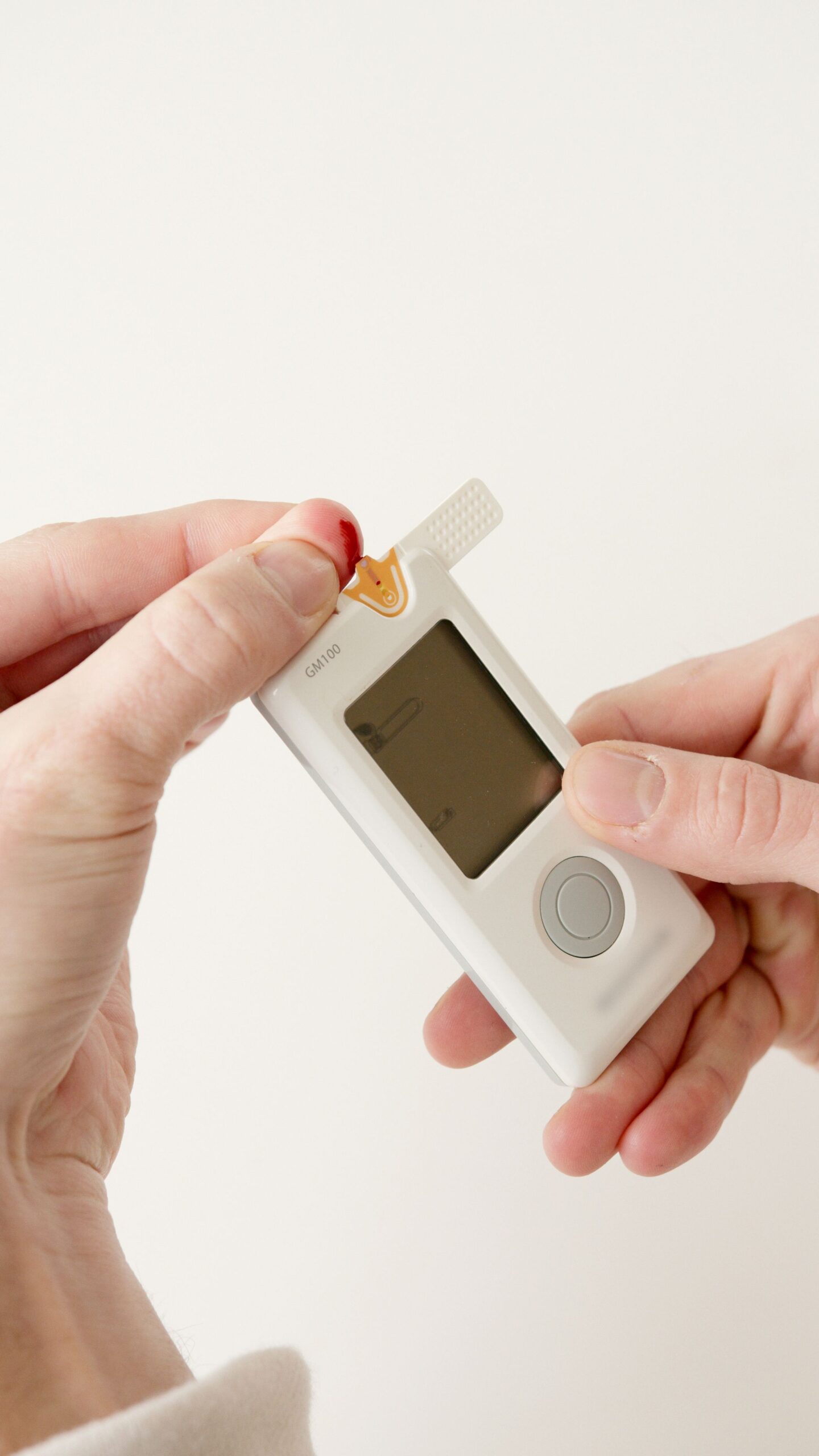
Not all blood sugar symptoms point in the same direction. High and low blood sugar can both cause fatigue and difficulty concentrating — but other symptoms differ significantly, and telling them apart matters for your response.
| Symptom | High Blood Sugar | Low Blood Sugar |
|---|---|---|
| Thirst | Severe, persistent | Not typical |
| Urination | Frequent | Not typical |
| Shakiness | Not typical | Common — often sudden |
| Sweating | Not typical | Common |
| Fatigue | Gradual, persistent | Sudden onset |
| Onset | Gradual over hours/days | Rapid — within minutes |
| What helps | Medical review, medication adjustment, lifestyle changes | Fast-acting glucose (juice, glucose tablets) — per doctor’s guidance |
What to Do If You Have High Blood Sugar Symptoms

If you recognise several of the high blood sugar symptoms described in this guide, here’s the right sequence of steps.
1. See Your Doctor — Don’t Wait
Book an appointment and specifically ask for a fasting blood glucose test and HbA1c. Tell your doctor which symptoms you’ve noticed and when they started. Bring a written list — it’s easy to forget details in the moment. Ask for your actual numbers, not just a verbal reassurance.
2. Monitor at Home if Possible
Home glucose monitors are available from most pharmacies without a prescription. Testing your fasting blood sugar each morning and your post-meal level two hours after eating gives your doctor far more useful information than a single in-clinic reading. Keep a simple log for two to four weeks before your appointment.
3. Make Immediate Dietary Changes
While waiting for your appointment, reducing refined carbohydrates and sugary drinks is a safe, sensible step that can help moderate blood sugar spikes. Focus on protein, vegetables, and healthy fats at each meal. A 10–15 minute walk after eating is one of the most effective natural tools for reducing post-meal glucose elevation.
4. Don’t Self-Diagnose or Self-Treat
High blood sugar symptoms can have multiple causes. A GP assessment — including blood tests — is the only way to know what’s actually happening. Natural strategies can support blood sugar health, but they are not a substitute for medical diagnosis and treatment where it’s needed.
For more on recognising early warning signs, see our articles on signs of blood sugar imbalance, does type 2 diabetes make you tired, and insulin resistance symptoms.
Key Takeaways
- The most common high blood sugar symptoms are increased thirst, frequent urination, persistent fatigue, blurred vision, slow-healing wounds, and increased hunger.
- After 55, these symptoms often develop gradually and are easy to attribute to normal ageing — making regular blood sugar testing essential even when you feel fine.
- Subtler symptoms — tingling in hands or feet, brain fog, dry mouth, unexplained weight loss — may appear before the classic symptoms and deserve attention.
- High and low blood sugar produce different symptoms — high develops gradually with thirst and urination; low comes on suddenly with shakiness and sweating.
- Confusion, vomiting, or loss of consciousness alongside high blood sugar symptoms are medical emergencies — call 000 immediately.
- If you recognise these symptoms, book a GP appointment, ask for fasting glucose and HbA1c tests, and request your actual numbers — not just a verbal reassurance.
Want the Full Natural Blood Sugar Strategy?
Download our free guide — 7 Natural Ways to Help Support Healthy Blood Sugar After 55 — covering diet, movement, sleep, and more written specifically for adults your age.
Frequently Asked Questions
What are the first signs of high blood sugar?
The earliest high blood sugar symptoms are typically increased thirst and more frequent urination — particularly at night. Many people also notice unexplained fatigue and difficulty concentrating before more obvious symptoms develop. These early signs can persist for months before fasting blood sugar reaches a diagnostic threshold, which is why they deserve attention rather than dismissal.
Can you have high blood sugar with no symptoms?
Yes — and this is extremely common, particularly in the early stages. Many adults with prediabetes or early type 2 diabetes experience no noticeable symptoms at all. This is why routine blood sugar testing is recommended for all adults over 45, regardless of how they feel. The absence of symptoms does not mean blood sugar is in a healthy range.
How quickly do high blood sugar symptoms appear?
This depends on the cause. A significant spike after a high-carbohydrate meal may produce symptoms — blurred vision, fatigue, brain fog — within one to two hours. Symptoms from chronically elevated blood sugar over weeks or months tend to develop more gradually. Acute hyperglycaemia from illness or missed medication can produce symptoms within hours.
What blood sugar level causes symptoms?
Symptoms typically become noticeable when blood sugar rises above approximately 10–11 mmol/L (180–200 mg/dL). At this level, the kidneys begin spilling glucose into urine, causing the thirst and urination pattern. However, some people — particularly those who have had elevated blood sugar for a long time — adapt and may not notice symptoms until levels are significantly higher. Individual sensitivity varies considerably.
Should I go to the emergency department for high blood sugar symptoms?
Most high blood sugar symptoms warrant a GP appointment rather than an emergency visit. However, if you experience confusion, inability to keep fluids down, extreme weakness, fruity-smelling breath, or loss of consciousness, call 000 or go to the emergency department immediately. If you take insulin and have a reading above 15 mmol/L that isn’t coming down, contact your doctor or diabetes care team promptly.
Richard Wells is the founder of HealthAfter55.com, a resource dedicated to natural health strategies for adults over 55. He researches and writes about blood sugar, energy, and healthy ageing — translating complex science into practical, plain-English guidance. Richard is not a medical professional. Always consult your doctor before making any changes to your health routine.