

You finish lunch and within an hour you can barely keep your eyes open. You didn’t overeat. You didn’t drink alcohol. You just ate — and now you’re exhausted. If this sounds familiar, the tired after eating blood sugar connection is worth understanding.
Post-meal fatigue is extremely common, but it’s not something you simply have to accept. After 55, the way your body handles glucose changes — and those changes can make energy crashes after eating more frequent and more pronounced than they used to be.
This guide explains the blood sugar mechanisms behind post-meal tiredness, why it becomes more common as you get older, and what practical steps can make a real difference to your energy levels after meals.
Free Guide: 7 Natural Ways to Help Support Healthy Blood Sugar After 55
If energy crashes after meals are something you want to get on top of, this free guide covers the most practical, research-backed strategies — written specifically for adults over 55.

Feeling tired after eating is closely linked to blood sugar. When you eat carbohydrates, blood glucose rises and insulin is released — and the rapid rise and fall that follows can cause a noticeable energy crash. After 55, declining insulin sensitivity makes this more likely. The type of food you eat, portion size, and what you do after meals all influence how hard the crash hits.
How Blood Sugar Causes Tiredness After Eating
When you eat carbohydrates, your digestive system breaks them down into glucose, which enters the bloodstream. In response, your pancreas releases insulin — a hormone that signals cells to absorb the glucose and convert it to energy. In a well-functioning system, this happens smoothly and you feel energised after a meal.
The problem occurs when blood glucose rises faster than insulin can manage. A rapid spike is often followed by a sharp drop — sometimes called reactive hypoglycaemia — where blood sugar falls below where it was before you ate. This dip is what triggers the tired after eating blood sugar response that so many people experience.
When glucose dips, your brain — which runs almost entirely on glucose — gets less fuel than it needs. The result is fatigue, difficulty concentrating, irritability, and that familiar urge to lie down. It’s not laziness. It’s your brain responding to an inadequate fuel supply.
There’s also a secondary mechanism at play. After a large meal, your body directs increased blood flow to the digestive system to process food. This temporary redistribution of blood flow can leave you feeling physically heavy and mentally sluggish — compounding the blood sugar effect.
Why the Tired After Eating Blood Sugar Effect Gets Worse After 55
If post-meal fatigue has become more of a problem in recent years, there are specific age-related reasons why. These aren’t excuses — they’re real physiological changes worth understanding.
Declining Insulin Sensitivity
As you age, your cells become less responsive to insulin — a process called insulin resistance. This means glucose stays in the bloodstream longer after eating, the spike is higher, and the subsequent crash can be more dramatic. Research has consistently shown that insulin sensitivity declines with age, making post-meal glucose management progressively harder.
Loss of Muscle Mass
Muscle tissue is one of the primary sites for glucose uptake after a meal. As muscle mass naturally decreases after 55, your body has less capacity to absorb glucose efficiently. This means more glucose remains circulating in the bloodstream, prolonging the spike and increasing the likelihood of a hard crash.
Slower Gastric Emptying
The rate at which food moves from your stomach into the small intestine — known as gastric emptying — slows with age. This changes the timing and pattern of glucose absorption, sometimes causing delayed spikes that arrive 2–3 hours after eating rather than 30–60 minutes. This can make the cause-and-effect relationship harder to spot.
More Medications
Several commonly prescribed medications — including corticosteroids, some blood pressure drugs, and certain antidepressants — can affect blood sugar levels and contribute to post-meal fatigue. If you’ve noticed tiredness after eating worsening since starting a new medication, it’s worth raising with your doctor.

Other Reasons You Feel Tired After Eating
Blood sugar is often the main culprit — but it’s not always the only one. These factors can compound or mimic post-meal fatigue.
Eating Too Much
Large meals require significantly more digestive work and divert more blood flow to the gut. Even with perfectly stable blood sugar, a large meal will produce more fatigue than a moderate one. After 55, digestive capacity naturally reduces slightly — making portion size a more significant factor than it used to be.
Dehydration
Many adults over 55 are mildly dehydrated without realising it — the thirst response weakens with age. Dehydration on its own causes fatigue, and when combined with a blood sugar fluctuation, the energy dip after eating can feel much more pronounced. Drinking water consistently throughout the day — not just at mealtimes — helps considerably.
Poor Sleep
If you’re not sleeping well, post-meal tiredness will hit harder. Poor sleep impairs insulin sensitivity, meaning your body is less equipped to handle glucose the following day. Research has linked even a single night of poor sleep to reduced insulin sensitivity, making the blood sugar connection to fatigue more likely after a bad night.
Chronic Stress
Elevated cortisol from ongoing stress raises blood glucose independently of food. When you then eat a meal on top of already elevated glucose, the spike is larger and the subsequent crash more significant. Managing stress is genuinely relevant to managing post-meal energy.
Foods Most Likely to Cause a Tired After Eating Blood Sugar Crash
Not all meals are equal when it comes to post-meal energy. The foods most likely to cause a significant crash are those that raise blood glucose rapidly — giving a brief energy lift followed by a sharper dip.
| High-Crash Foods | Lower-Crash Alternatives |
|---|---|
| White bread, white rice, pasta | Wholegrain bread, brown rice, legumes |
| Sugary drinks and fruit juice | Water, herbal tea, sparkling water |
| Sweetened cereals and pastries | Oats with protein, eggs, Greek yoghurt |
| Large portions of any carbohydrate | Smaller carb portions with protein and fat |
| Flavoured yoghurt, low-fat snack foods | Plain yoghurt, nuts, cheese, boiled eggs |
The size of a meal matters as much as its composition. Even relatively healthy carbohydrates — oats, sweet potato, fruit — can cause a significant energy crash when eaten in large amounts. Spreading your food more evenly across the day tends to produce more consistent energy levels than eating two or three large meals.
What to Do About Post-Meal Tiredness After 55
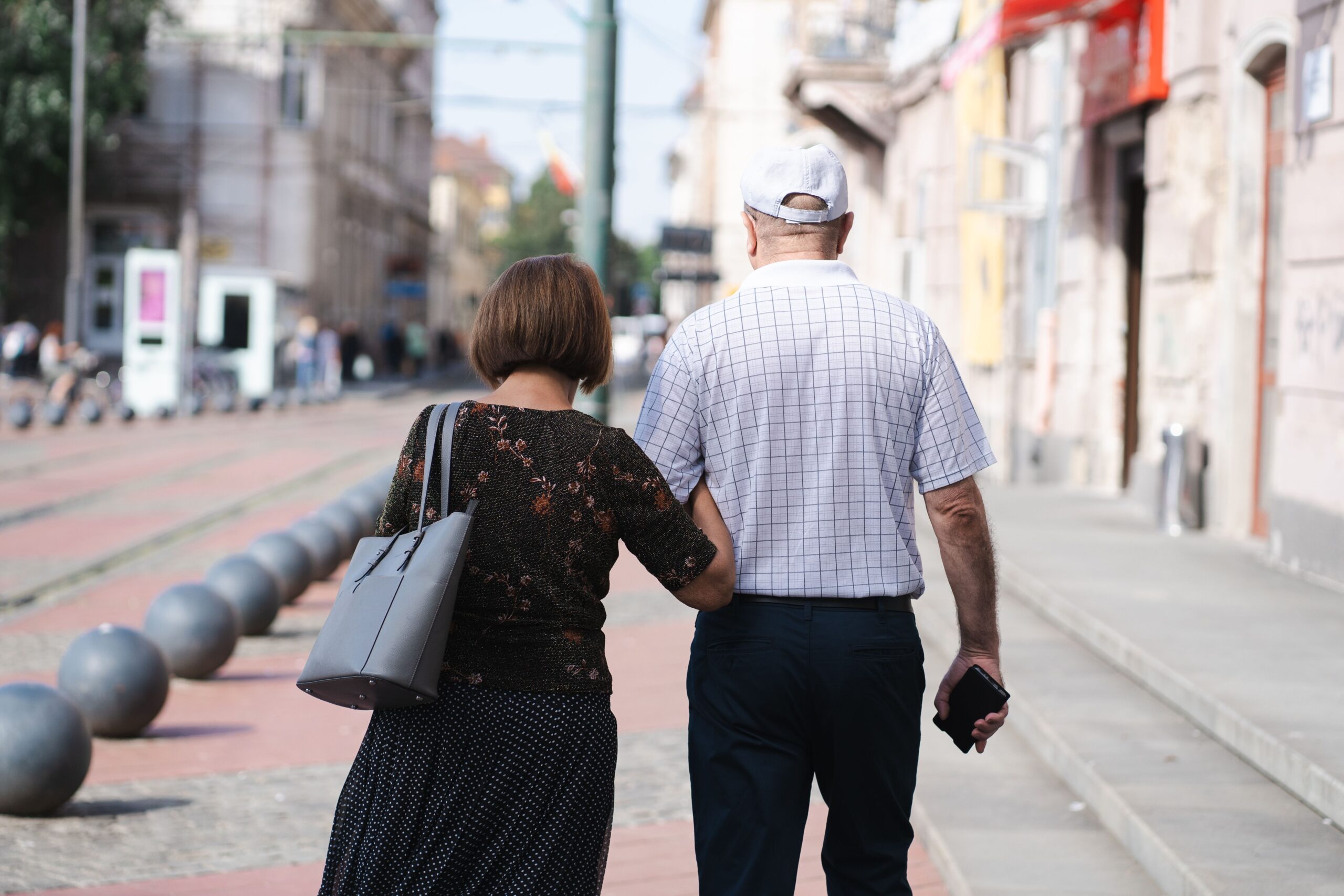
The good news is that post-meal fatigue linked to blood sugar is highly responsive to lifestyle changes. These are the strategies with the strongest evidence.
Walk After Every Meal
This is the single most effective intervention. A randomised study found that walking after meals reduced postprandial blood glucose more effectively than a single 30-minute daily walk. Even 10 minutes at a comfortable pace is enough. Your muscles absorb glucose directly during movement — reducing both the spike and the subsequent crash.
Rebalance Your Plate
Aim for meals that combine protein, healthy fat, fibre, and a moderate amount of complex carbohydrates. This combination slows glucose absorption and produces a much flatter, steadier energy curve than a carbohydrate-heavy meal. If your lunch is currently mostly carbs — bread, pasta, rice — adding protein and vegetables to that same meal can make a noticeable difference.
Eat Smaller, More Frequent Meals
Three large meals produces larger glucose swings than four or five smaller ones. After 55, this matters more than it did before. If you find yourself consistently fatigued after lunch or dinner, consider whether reducing the size of those meals — and adding a small, protein-based snack mid-morning or mid-afternoon — helps stabilise your energy.
Stay Hydrated Before and During Meals
Drink a glass of water before eating and sip water with your meal. Staying well hydrated helps your kidneys manage glucose more efficiently and reduces the dehydration component of post-meal fatigue. Avoid sugary drinks with meals — they add glucose on top of what you’re already eating from food.
Improve Sleep Quality
If poor sleep is compounding your post-meal fatigue, addressing it directly is worth the effort. Consistent sleep and wake times, limiting screens before bed, and keeping the bedroom cool and dark all support better sleep quality — and better insulin sensitivity the following day.
If fatigue after eating is a consistent issue, it’s also worth understanding the broader picture of how high blood sugar shows up. Our guide to high blood sugar symptoms after 55 covers the full range of signs to watch for.
When to See Your Doctor
Post-meal tiredness is common and often manageable with lifestyle changes. But there are situations where it warrants a medical conversation.
See your doctor if the fatigue is severe enough to disrupt your daily life, if it’s accompanied by other symptoms like excessive thirst, frequent urination, blurred vision, or unexplained weight changes, or if lifestyle changes haven’t made a noticeable difference after several weeks. These could indicate prediabetes, type 2 diabetes, or another underlying condition affecting glucose regulation.
Ask for an HbA1c test — this gives a clear picture of your average blood sugar over the past three months and is far more informative than a single fasting reading. Many people discover they’ve been managing undiagnosed prediabetes for years without realising it. Early identification means early action — and much better outcomes.
For more on how blood sugar and fatigue are connected, our article on does type 2 diabetes make you tired goes into depth on the diabetes-fatigue relationship specifically.
- Post-meal tiredness is closely linked to blood sugar — a rapid rise in glucose followed by a sharp dip leaves your brain temporarily undersupplied with fuel.
- After 55, declining insulin sensitivity, lower muscle mass, and slower gastric emptying all make energy crashes after eating more likely and more pronounced.
- High-carbohydrate meals, large portions, dehydration, poor sleep, and chronic stress all amplify the tired after eating blood sugar effect.
- A 10-minute walk after meals, rebalancing your plate with protein and fibre, and staying hydrated are the most effective and immediate interventions.
- If post-meal fatigue is severe, persistent, or accompanied by other symptoms, request an HbA1c test — many people are managing undiagnosed prediabetes without knowing it.
Want More Natural Blood Sugar Tips?
Join thousands of adults over 55 who receive our free weekly blood sugar guide — practical tips, honest research, and no fluff. Ever.
Frequently Asked Questions
Is it normal to feel tired after eating?
Some degree of post-meal drowsiness is normal — your body is directing energy toward digestion and blood flow shifts toward the gut. However, significant fatigue that disrupts your afternoon or happens after every meal is not something to accept as inevitable. After 55, blood sugar fluctuations are the most common cause and are very manageable with the right approach.
How long after eating does the blood sugar crash happen?
For most people, the peak glucose rise occurs around 45–90 minutes after eating, with the dip following shortly after. After 55, gastric emptying slows, which can delay this — meaning the crash may arrive 2–3 hours after a meal rather than 1 hour. Tracking how you feel at different intervals after eating helps identify your personal pattern.
Can tiredness after eating be a sign of diabetes?
It can be — but it doesn’t have to be. Post-meal fatigue linked to blood sugar happens in people without diabetes too, particularly after 55 when insulin sensitivity declines naturally. However, if the fatigue is severe, frequent, and accompanied by other symptoms like thirst, frequent urination, or blurred vision, it’s worth asking your doctor for an HbA1c test to check your blood sugar averages.
What’s the best thing to eat to avoid tiredness after a meal?
Meals that combine protein, healthy fat, fibre, and a moderate portion of complex carbohydrates tend to produce the steadiest energy. Think grilled chicken with vegetables and a small serving of brown rice, or eggs with avocado and wholegrain toast. It’s not about eliminating carbohydrates — it’s about slowing the rate at which glucose enters your bloodstream.
Does a short nap after eating help or make things worse?
A short nap of 10–20 minutes can be restorative and is unlikely to cause harm. However, relying on a daily post-meal nap may be masking an underlying blood sugar issue worth addressing. A brief walk before resting is a better option — it helps bring glucose down naturally, so the nap, if you still want one, is more about genuine rest than recovering from a crash.