

Founder, HealthAfter55.com — Richard researches natural health strategies for adults over 55, with a focus on blood sugar, energy, and healthy ageing. He is not a medical professional. Always consult your doctor before making health changes.
Free Guide: 7 Natural Ways to Help Support Healthy Blood Sugar After 55
Practical strategies for blood sugar control — written specifically for adults over 55.
There’s no shortage of lists telling you which foods are good for blood sugar. What most of them miss is the part that matters most to you: how your body responds to food after 55 is meaningfully different from how it responded at 35.
Declining insulin sensitivity, age-related muscle loss, and slower digestion all affect how sharply your blood sugar rises after eating — and how long it takes to come back down. The foods that lower blood sugar naturally work in specific ways that become even more important as these changes take hold.
This guide covers the best foods that lower blood sugar naturally — with clear explanations of why each one works, how strong the evidence is, and how to put them together in practice. Not a flat list of 17 foods with a brief sentence each. A genuinely useful resource for adults over 55 who want to understand what they’re eating and why.
The best foods that lower blood sugar naturally are those high in fibre, protein, or healthy fats — all of which slow glucose absorption and reduce post-meal spikes. Top options with strong evidence include non-starchy vegetables, legumes, oats, berries, fatty fish, nuts, and avocado. After 55, combining these foods together at each meal matters as much as the individual choices.
Why Food Affects Blood Sugar Differently After 55
Most food and blood sugar guides are written for a general adult audience. But three biological changes that come with age make the food choices in this article especially important for anyone over 55.
Declining Insulin Sensitivity
As you age, your cells become less responsive to insulin — the hormone that moves glucose from the bloodstream into your cells for energy. This means the same meal that barely moved your blood sugar at 40 may produce a noticeably higher post-meal reading at 60. Foods that slow glucose absorption become increasingly valuable as a direct compensation for this.
Reduced Muscle Mass
Muscle tissue is one of the primary destinations for glucose after a meal. With age-related muscle loss (sarcopenia), there’s less tissue available to absorb post-meal glucose — meaning it stays in the bloodstream longer and at higher levels. Eating adequate protein supports muscle maintenance, which in turn supports better glucose clearance after meals.
Slower Gastric Emptying
The rate at which food moves from your stomach into your small intestine can slow with age, affecting when and how sharply glucose enters the bloodstream. In practical terms, this means some people over 55 experience a delayed glucose spike — not immediately after eating, but an hour or two later. High-fibre and high-protein foods help moderate this response regardless of when the spike occurs.
The Complete List of Foods That Lower Blood Sugar Naturally
These are the foods with the strongest and most consistent evidence for blood sugar management. Each entry explains the mechanism — not just the outcome — so you understand why it works, not just that it does.
1. Non-Starchy Vegetables
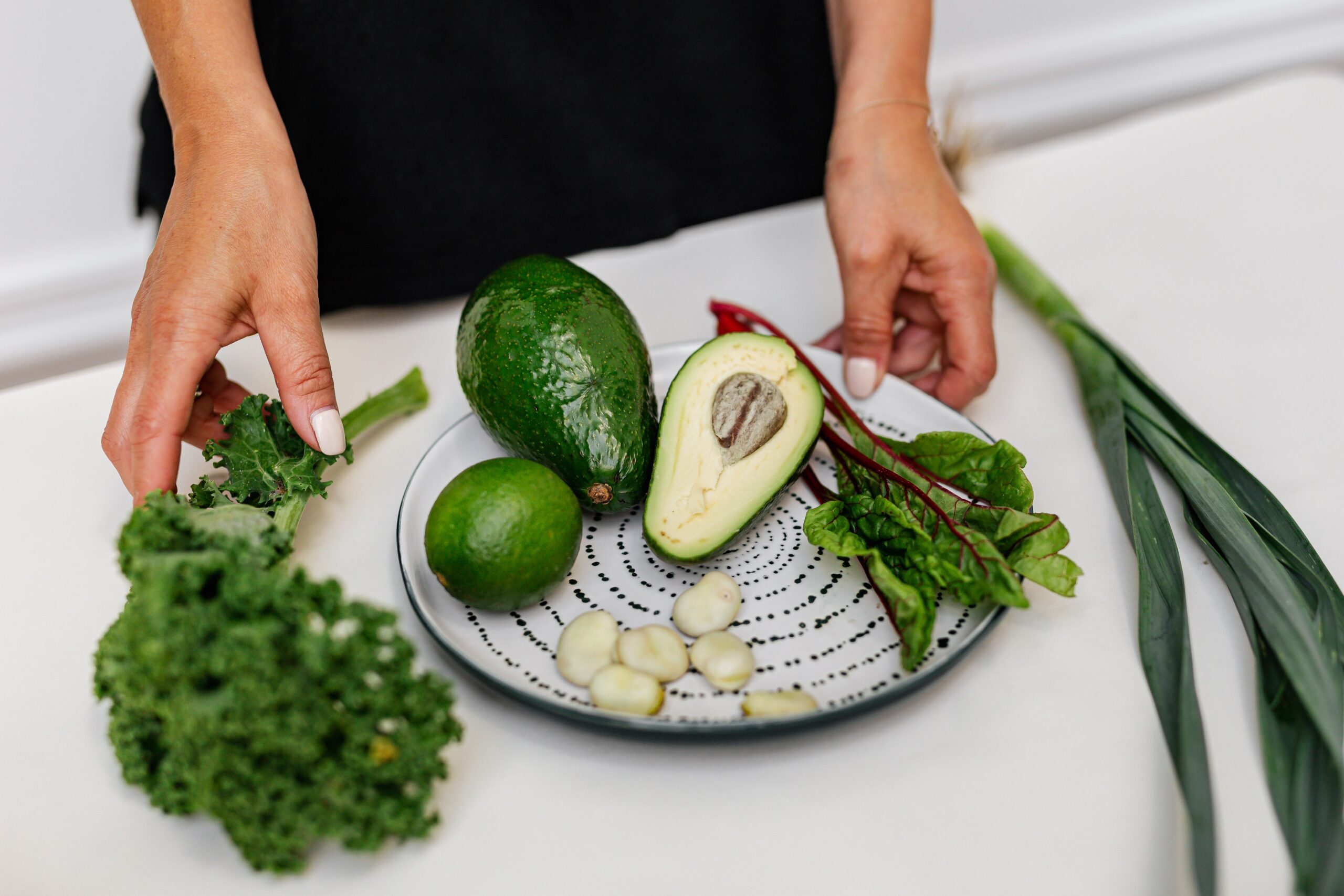
Broccoli, spinach, kale, capsicum, zucchini, cauliflower, cucumber, green beans
Non-starchy vegetables are the foundation of any blood sugar-friendly eating pattern. They’re extremely low in digestible carbohydrates, high in fibre, and packed with antioxidants and micronutrients. They produce virtually no glucose response on their own and — critically — they slow the absorption of any carbohydrates eaten alongside them.
Broccoli in particular contains sulforaphane, a compound that research published in Science Translational Medicine suggests may help reduce fasting blood glucose in people with type 2 diabetes — primarily by reducing the amount of glucose the liver produces. Note that the study used concentrated broccoli sprout extract rather than whole broccoli; eating broccoli regularly still contributes meaningfully to a blood sugar-friendly diet through its fibre and micronutrient content. Aim to fill at least half your plate with non-starchy vegetables at every meal.
2. Legumes
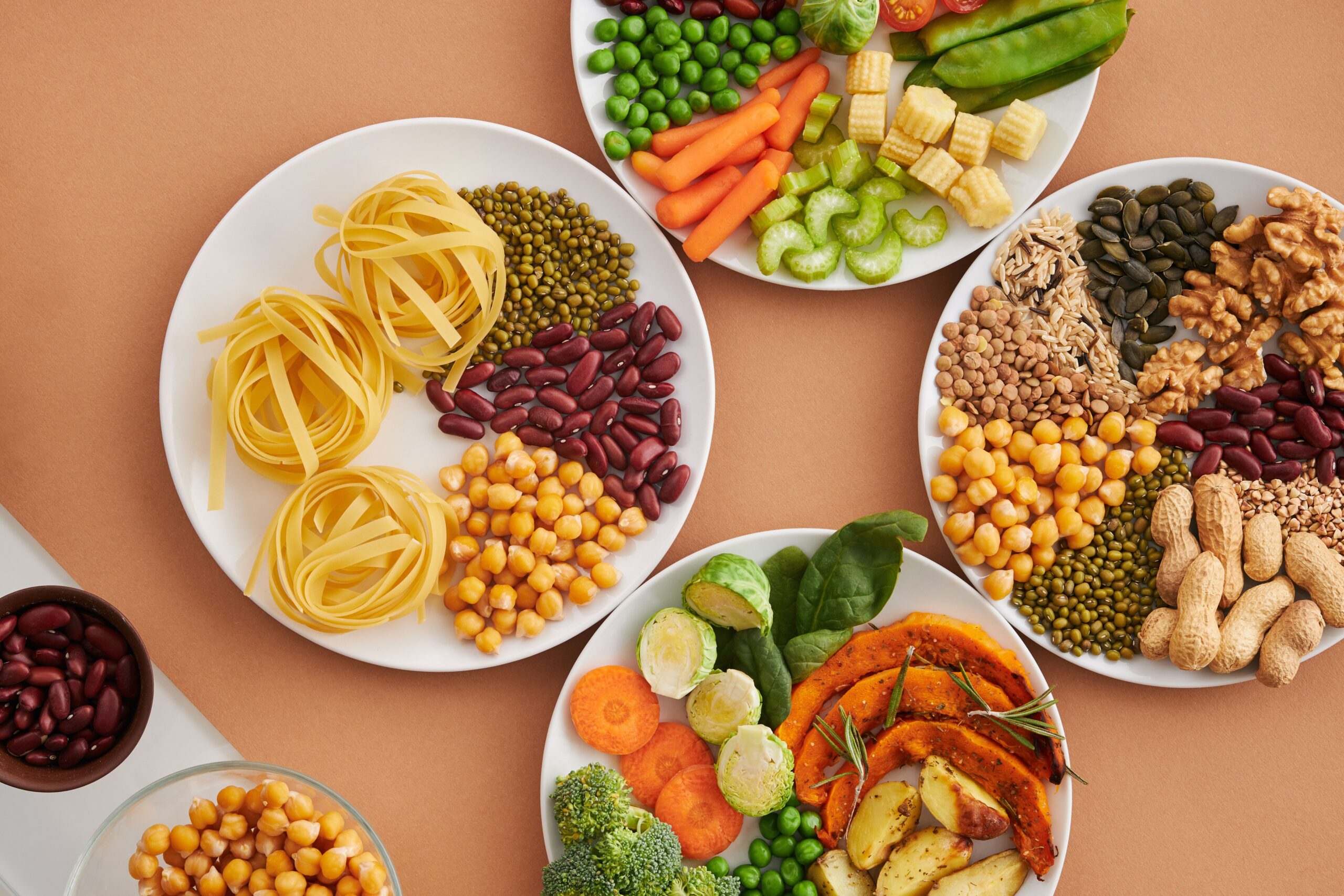
Lentils, chickpeas, kidney beans, black beans, cannellini beans
Legumes are among the most blood-sugar-friendly carbohydrate sources available. They have a very low glycaemic index (GI of 20–40 depending on type), are high in both soluble fibre and plant protein, and digest slowly — producing a gradual, sustained glucose rise rather than a spike.
For adults over 55, legumes offer a dual benefit: they support blood sugar management and provide plant protein that helps maintain muscle mass. A serve of lentils (around 200g cooked) can raise blood sugar far less than an equivalent portion of white rice or bread, while keeping you significantly fuller for longer.
3. Oats
Rolled oats, steel-cut oats (not instant)
Oats contain a specific type of soluble fibre called beta-glucan, which forms a viscous gel in the digestive tract that significantly slows glucose absorption. A meta-analysis published on PubMed found that beta-glucan from oats significantly reduced both fasting blood glucose and HbA1c in people with type 2 diabetes.
Choose rolled or steel-cut oats over instant oats — processing increases the GI significantly. Cook with water or unsweetened milk, and add nuts or seeds rather than sugar or honey. For adults over 55 who tend to eat lighter breakfasts, a small bowl of oats with nuts is far more effective at keeping blood sugar stable through the morning than skipping breakfast entirely — which often leads to a larger post-lunch spike.
4. Berries
Blueberries, strawberries, raspberries, blackberries
Berries are the best fruit choice for blood sugar management. They’re relatively low in sugar, high in fibre, and rich in polyphenols — plant compounds that research suggests may improve insulin sensitivity and reduce post-meal glucose responses. Blueberries in particular have a notable body of evidence behind them for metabolic health.
A small serve of berries (around 80–100g) with Greek yoghurt or oats adds sweetness, fibre, and antioxidants without the blood sugar spike of tropical fruits, dried fruit, or fruit juice. After 55, when cardiovascular risk often rises alongside blood sugar concerns, the additional benefit of berry polyphenols for heart health makes them an especially worthwhile daily habit.
5. Fatty Fish
Salmon, sardines, mackerel, trout, tuna
Fatty fish contain zero carbohydrates and have virtually no direct effect on blood glucose. Their blood sugar benefit comes indirectly — high-quality protein slows gastric emptying and reduces the glucose impact of any carbohydrates eaten at the same meal, while omega-3 fatty acids may support insulin sensitivity and reduce the chronic inflammation associated with type 2 diabetes.
For adults over 55, fatty fish also supports muscle maintenance — the same protein that slows post-meal glucose rise is also preserving the muscle tissue that absorbs that glucose. Aim for two to three serves per week.
6. Nuts
Almonds, walnuts, pecans, macadamias, pistachios
Plain nuts are low in carbohydrates, high in healthy fat, protein, and fibre, and have a minimal effect on post-meal blood glucose. Eaten alongside a meal or as a snack, they help blunt the glucose response of other foods. Walnuts are particularly worth including — they’re one of the few plant sources of ALA omega-3 fatty acids, adding an anti-inflammatory benefit alongside the blood sugar effect.
7. Avocado
Avocado is rich in monounsaturated fat and fibre, with very few net carbohydrates. It has almost no direct effect on blood sugar and actively slows the absorption of glucose from other foods eaten at the same meal. Half an avocado added to a meal or snack is one of the simplest ways to reduce a post-meal glucose rise without changing what else you’re eating.
8. Plain Greek Yoghurt
Plain, unsweetened Greek yoghurt has a low glycaemic index, is high in protein, and contains probiotics that may support gut health — with emerging evidence that gut microbiome health influences glucose metabolism. This is particularly relevant after 55, as gut microbiome diversity tends to decline with age, making probiotic-rich foods a more meaningful addition to the diet than they might be at younger ages. The protein content also slows gastric emptying and reduces post-meal glucose spikes. Always choose plain varieties — flavoured yoghurts often contain 20–30g of added sugar per serve.
9. Eggs
Eggs contain zero carbohydrates and are one of the most complete protein sources available. They have no direct effect on blood sugar and help moderate the glucose response of any carbohydrates eaten in the same meal. Two eggs at breakfast — particularly when paired with vegetables rather than toast alone — may help reduce the morning glucose spike that catches many adults over 55 out.
10. Wholegrains
Brown rice, quinoa, barley, wholegrain bread, buckwheat
Wholegrains digest more slowly than refined grains because their fibre-rich outer layer must be broken down first — producing a more gradual glucose rise. Barley has one of the lowest GI values of any grain (pearl barley around 25–30) and is particularly worth including. That said, wholegrains are still carbohydrates and will raise blood sugar in larger portions — keep serves modest and always pair with protein and fat. After 55, portion sizes that felt fine a decade ago may now produce noticeably higher readings — a quarter of your plate is the right guide, not half.
11. Cinnamon
Cinnamon — specifically Ceylon cinnamon — has evidence suggesting it may improve insulin sensitivity and slow carbohydrate digestion, reducing post-meal glucose spikes. The evidence is more mixed than for the foods above, but it’s a simple, low-risk addition to oats, yoghurt, or smoothies. Use Ceylon rather than Cassia cinnamon for regular use, as Cassia contains higher levels of coumarin which may be problematic in large amounts over time.
12. Extra Virgin Olive Oil
Extra virgin olive oil contains no carbohydrates and has a well-established role in the Mediterranean diet — one of the most evidence-backed dietary patterns for blood sugar management. Used as the primary cooking fat or as a dressing, it slows gastric emptying and reduces the glucose response of meals. Research published on PubMed has associated regular olive oil consumption with improved insulin sensitivity and reduced fasting blood glucose.
Foods Ranked by Strength of Evidence
Not all foods that lower blood sugar naturally have equal research behind them. This table ranks the 12 foods that lower blood sugar covered above by the strength and consistency of the evidence — so you know where to focus first.
| Food | Evidence Strength | Primary Mechanism |
|---|---|---|
| Non-starchy vegetables | Strong — well established | Fibre slows glucose absorption; minimal carb load |
| Legumes | Strong — consistent across studies | Low GI; high fibre and protein slow digestion |
| Oats (beta-glucan) | Strong — meta-analysis level evidence | Beta-glucan forms gel, slows glucose entry |
| Fatty fish | Strong — zero carbs; indirect benefit via protein | Protein slows gastric emptying; omega-3 anti-inflammatory |
| Nuts | Strong — multiple RCTs | Fat and protein blunt glucose response of other foods |
| Berries | Moderate-strong — polyphenol research consistent | Polyphenols improve insulin sensitivity; high fibre |
| Avocado | Moderate — growing evidence base | Monounsaturated fat slows digestion; near-zero carbs |
| Greek yoghurt (plain) | Moderate — prospective cohort data strong | Protein and probiotics; low GI |
| Eggs | Moderate — zero carb; protein effect well established | Zero glucose impact; slows absorption of co-eaten carbs |
| Olive oil | Moderate — Mediterranean diet evidence strong | Slows gastric emptying; improves insulin sensitivity |
| Wholegrains | Moderate — lower GI than refined, but still carbs | Fibre slows digestion versus refined equivalents |
| Cinnamon (Ceylon) | Emerging — promising but mixed results | May improve insulin sensitivity; slows carb digestion |
How to Combine These Foods for Maximum Effect
Knowing which foods lower blood sugar is useful. Knowing how to combine them is what makes the difference in practice. After 55, no single food will meaningfully move the needle on its own — but the right combinations at each meal produce a cumulative effect that shows up in your readings within weeks.
The principle is simple: every meal should contain something that slows glucose absorption (fibre), something that reduces the glucose impact of carbohydrates (protein), and a source of healthy fat that further moderates the overall response. Here’s what that looks like in practice:
Breakfast: Rolled oats + a small handful of walnuts + berries. The beta-glucan in oats slows glucose absorption, the walnuts add fat and protein, the berries add polyphenols. Blood sugar rises slowly and stays stable until mid-morning.
Lunch: Grilled salmon + large salad with leafy greens, chickpeas, cucumber, and olive oil dressing. Zero-carb fish + fibre-rich legumes + non-starchy vegetables + olive oil. Post-meal glucose rise is minimal.
Dinner: Stir-fry with chicken, broccoli, capsicum, and zucchini over a small serve of brown rice. Protein-first, vegetables filling half the plate, wholegrains as a modest side. The fibre and protein buffer the rice’s glucose effect significantly.
Snacks: Plain Greek yoghurt with berries. A small handful of almonds. Both keep blood sugar stable between meals without a spike.
For a broader guide to building your meals around these principles, our article on foods that lower blood sugar naturally after 55 covers the full dietary approach in detail.
Foods That Seem Healthy But Can Still Spike Blood Sugar
Equally important as knowing the best foods that lower blood sugar is understanding which foods catch people out — particularly those marketed as healthy or natural that still produce significant glucose rises after 55.
| Food | The Problem | Better Alternative |
|---|---|---|
| Dried fruit | Concentrated sugar; easy to eat large amounts | Fresh berries in small portions |
| Fruit juice (including 100% natural) | No fibre; concentrated sugar absorbed rapidly | Eat the whole fruit instead |
| Flavoured yoghurt | Up to 30g added sugar per serve | Plain Greek yoghurt with fresh berries |
| Muesli bars | High sugar and GI despite “healthy” marketing | A small handful of plain nuts |
| Instant oats | Processing raises GI significantly vs rolled oats | Rolled or steel-cut oats |
| White potatoes (without skin) | High GI when peeled and boiled or mashed | Eat with skin, or swap for sweet potato or legumes |
For a more complete look at foods that cause unexpected glucose spikes, our article on foods that spike blood sugar covers the full list — including several that are commonly marketed as diabetic-friendly.
- After 55, declining insulin sensitivity and muscle loss make food choices more impactful on blood sugar — not less. Actively choosing the right foods compensates for these changes.
- The foods that lower blood sugar with the strongest evidence are non-starchy vegetables, legumes, oats, fatty fish, and nuts — prioritise these daily.
- How you combine foods matters as much as individual choices — always pair carbohydrates with protein, fibre, and healthy fat to blunt the glucose response.
- Eat protein and vegetables before the carbohydrate portion of your meal — food order meaningfully affects post-meal glucose readings.
- Watch out for foods marketed as healthy that still spike blood sugar — dried fruit, fruit juice, flavoured yoghurt, muesli bars, and instant oats are common culprits.
Want More Natural Blood Sugar Tips?
Join adults over 55 who receive our free weekly blood sugar guide — practical tips, honest research, and no fluff. Ever.
Frequently Asked Questions
What foods lower blood sugar immediately?
No food will lower blood sugar immediately in the way medication can. What foods do is slow the rise of blood sugar after eating and support steadier glucose levels over time. If your blood sugar is acutely elevated, drinking water and light physical activity such as a short walk are the most practical natural options. For medically high blood sugar, contact your doctor rather than relying on food choices alone.
Which fruit is best for lowering blood sugar?
Berries — blueberries, strawberries, raspberries, and blackberries — are the best fruit choices for blood sugar management. They’re relatively low in sugar, high in fibre, and rich in polyphenols that research suggests may improve insulin sensitivity. Other reasonable options include small portions of apples, pears, and citrus fruits eaten whole. Avoid fruit juice and dried fruit, which are high in concentrated sugar with little of the fibre that slows glucose absorption.
Is banana good or bad for blood sugar?
Bananas have a moderate glycaemic index — higher than berries but lower than white bread or juice. A small, slightly underripe banana eaten as part of a meal alongside protein and fat is unlikely to cause a significant blood sugar problem for most people. A large, very ripe banana eaten alone is a different story — the sugar content is higher and the fibre effect is reduced. As with most foods, portion size and what you eat it with matters as much as the food itself.
How quickly can diet changes affect blood sugar?
Post-meal blood sugar readings can improve within days of consistent dietary changes — the effect on fasting blood sugar and HbA1c takes longer, typically four to twelve weeks of sustained dietary changes to show meaningful improvement. Individual responses vary significantly depending on starting point, medication, activity level, and overall diet quality. Most people who consistently eat foods that lower blood sugar and reduce refined carbohydrates notice tangible improvements in energy, appetite stability, and glucose readings within two to four weeks.
Do I need to cut out carbohydrates entirely to lower blood sugar?
No. Eliminating carbohydrates entirely is not necessary and is difficult to sustain long-term for most people. What matters is the type of carbohydrate, the portion size, and what you eat alongside it. Low-glycaemic carbohydrates like legumes, oats, and wholegrains — eaten in modest portions with protein, fat, and vegetables — produce a very different glucose response than refined carbohydrates eaten in large amounts alone. Focus on food quality and combination rather than elimination.