

Founder, HealthAfter55.com — Richard researches natural health strategies for adults over 55, with a focus on blood sugar, energy, and healthy ageing. He is not a medical professional. Always consult your doctor before making health changes.
Free Guide: 7 Natural Ways to Help Support Healthy Blood Sugar After 55
Practical strategies for blood sugar control — written specifically for adults over 55.
Walk into any health food store or scroll through any wellness website and you’ll find dozens of natural supplements for blood sugar claiming to support healthy glucose levels. The promises are bold. The marketing is compelling. And for anyone managing prediabetes or type 2 diabetes after 55, it’s genuinely tempting to try something — anything — that might help.
But here’s what most supplement guides won’t tell you: the evidence behind these products varies enormously. Some natural supplements for blood sugar have meaningful clinical research behind them. Others have almost none. And a few come with real risks — particularly for adults over 55 who are likely already taking medication.
This is the honest guide. No hype, no miracle claims — just a clear breakdown of what the research actually shows, what’s worth considering, what isn’t, and what to discuss with your doctor before trying anything.
The natural supplements with the strongest evidence for blood sugar support are berberine, cinnamon (Ceylon), magnesium, and chromium. These have been studied in multiple clinical trials and show consistent, modest effects on fasting blood glucose and insulin sensitivity. All supplements should be used alongside — not instead of — dietary changes, physical activity, and any medication your doctor has prescribed.
- Why Adults Over 55 Consider Blood Sugar Supplements
- How to Read the Evidence — Before Spending Money
- Natural Supplements for Blood Sugar: What the Research Shows
- Sugar Defender: An Honest Look at a Popular Combined Formula
- Safety, Interactions, and What to Tell Your Doctor
- Frequently Asked Questions
Why Adults Over 55 Consider Natural Blood Sugar Supplements
The interest in natural supplements for blood sugar management is entirely understandable — and it’s especially common after 55. By this age, many people have received a prediabetes diagnosis, been told their blood sugar is “borderline,” or simply noticed that the energy crashes, cravings, and fatigue they’re experiencing might be glucose-related.
Medication feels like a big step. Diet and exercise take time. A supplement feels like a manageable middle ground — something proactive that doesn’t require a prescription and doesn’t feel as significant as starting metformin.
That instinct isn’t wrong. Some supplements do have genuine evidence behind them. The problem is that the supplement industry is poorly regulated — particularly in countries like Australia and the US — meaning products can make broad health claims without the rigorous clinical testing required of pharmaceutical drugs. This makes the honest, research-based guide you’re reading right now more valuable than any marketing material.
How to Read the Evidence — Before Spending Money
Most supplement guides treat all ingredients equally — a paragraph on berberine, a paragraph on cinnamon, a paragraph on chromium, all presented with the same confident tone. This is misleading. The evidence behind these supplements varies from multiple large randomised controlled trials to a handful of small animal studies.
Throughout this guide, each supplement is rated using a simple three-tier system:
| Evidence Tier | What It Means |
|---|---|
| Strong | Multiple randomised controlled trials or meta-analyses in humans showing consistent effects on blood glucose markers |
| Moderate | Some human clinical evidence but results are mixed, studies are small, or the mechanism is not fully understood |
| Emerging / Weak | Primarily animal or lab studies, very limited human evidence, or results too inconsistent to draw conclusions |
Natural Supplements for Blood Sugar: What the Research Shows
1. Berberine — Evidence: Strong
Berberine is the most well-researched natural supplement for blood sugar management and arguably the most impressive. It’s a plant compound found in several herbs including barberry and goldenseal, and it works primarily by activating AMPK — an enzyme sometimes called the body’s “metabolic master switch” — which helps cells absorb glucose more efficiently and reduces glucose production in the liver.
A landmark pilot study published on PubMed comparing berberine directly to metformin in 36 adults with newly-diagnosed type 2 diabetes found that berberine’s blood glucose-lowering effect was comparable to the medication — with significant reductions in fasting blood glucose, HbA1c, and post-meal glucose. While small, this study prompted a wave of further research, and subsequent meta-analyses across thousands of patients have confirmed consistent, clinically meaningful effects on fasting blood glucose and HbA1c.
For adults over 55, berberine’s dual action on glucose metabolism and insulin sensitivity makes it one of the most logical supplements to discuss with your doctor. Typical doses studied range from 500mg taken two to three times daily with meals.
2. Cinnamon (Ceylon) — Evidence: Moderate-Strong
Cinnamon is one of the most studied herbal supplements for blood sugar, and the evidence is genuinely encouraging — though more mixed than berberine. The active compounds in cinnamon appear to improve insulin sensitivity and slow carbohydrate digestion, reducing the rate at which glucose enters the bloodstream after meals.
A 2024 meta-analysis of 24 randomised controlled trials published on PubMed found that cinnamon supplementation consistently and significantly reduced fasting blood glucose and insulin resistance in people with type 2 diabetes, and suggested it may have a role as an add-on treatment alongside diabetes medication.
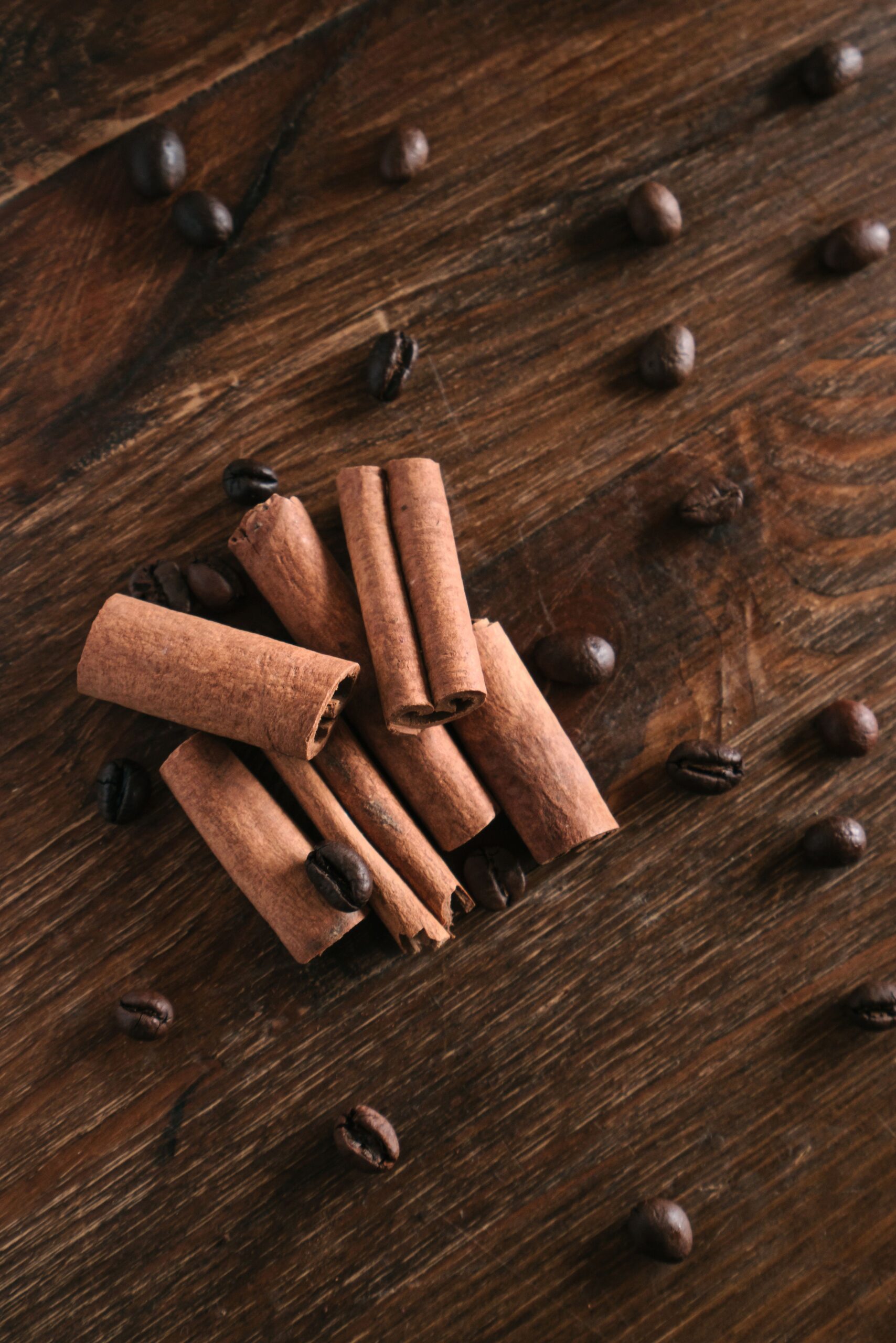
If you use cinnamon as a supplement, choose Ceylon cinnamon rather than the more common Cassia variety. Cassia contains higher levels of coumarin — a compound that may be harmful to the liver in large amounts when taken long-term. Ceylon is sometimes labelled “true cinnamon” and is widely available in supplement form.
3. Magnesium — Evidence: Moderate-Strong
Magnesium is an essential mineral involved in over 300 enzymatic processes in the body — including glucose metabolism and insulin signalling. Research consistently shows that people with type 2 diabetes are more likely to be deficient in magnesium, and that low magnesium levels are associated with poorer blood sugar control.
A systematic review published on PubMed found that magnesium supplementation significantly improved insulin resistance markers (HOMA-IR) in people with type 2 diabetes. Other meta-analyses have additionally found reductions in fasting blood glucose, particularly in people who are magnesium-deficient. The benefit appears most pronounced in those with confirmed low magnesium levels — supplementing when levels are already adequate shows less consistent results.
For adults over 55, magnesium is worth particular attention. Magnesium absorption decreases with age, certain medications (including common diuretics and proton pump inhibitors) deplete magnesium levels, and many older adults simply don’t get enough from diet alone. A blood test from your doctor can confirm whether you’re deficient before supplementing.
4. Chromium — Evidence: Moderate
Chromium is a trace mineral that helps insulin function more efficiently — particularly in moving glucose from the bloodstream into cells. Studies suggest chromium supplementation may improve insulin sensitivity and reduce fasting blood glucose, particularly in people who are deficient.
The evidence for chromium is meaningful but more mixed than for berberine or magnesium. Results vary depending on the form of chromium used (chromium picolinate is the most studied), the dose, and individual baseline levels. Most well-designed studies showing benefit used 200–1000mcg per day of chromium picolinate.
5. Alpha-Lipoic Acid — Evidence: Moderate
Alpha-lipoic acid (ALA) is a naturally occurring antioxidant produced by the body and found in small amounts in food. It plays a role in energy metabolism and has shown some evidence for improving insulin sensitivity and reducing fasting blood glucose in people with type 2 diabetes.
ALA is particularly relevant for adults with diabetic neuropathy — nerve damage associated with long-term blood sugar dysregulation — where evidence for its benefits is stronger than for glucose control alone. It’s generally well tolerated and widely available.
6. Gymnema Sylvestre — Evidence: Moderate
Gymnema is a woody climbing plant from India whose name in Hindi means “sugar destroyer” — a reference to its ability to temporarily reduce the ability to taste sweetness. More practically, research suggests gymnema may support insulin secretion from the pancreas and reduce the absorption of glucose in the intestines.
The evidence base is promising but primarily from smaller trials. Gymnema is commonly included in combined blood sugar supplement formulas and is generally considered safe at typical supplement doses.
7. Supplements With Insufficient Evidence
Several supplements are commonly marketed for blood sugar management but have insufficient or inconsistent evidence to recommend at this time. These include bitter melon (promising in some studies, inconsistent overall), fenugreek (some evidence but variable results), and ginseng (limited high-quality human trials). This doesn’t mean they don’t work — it means the research isn’t yet strong enough to make a confident recommendation either way.
Sugar Defender: An Honest Look at a Popular Combined Formula
Rather than sourcing and managing multiple individual supplements, some adults over 55 prefer a combined formula that brings several evidence-backed ingredients together in one product. Sugar Defender is one such formula — and one we’re comfortable mentioning honestly here.
Sugar Defender contains a blend of ingredients that includes several of those covered in this guide — including chromium, along with plant extracts such as eleuthero, coleus, maca root, African mango, guarana, gymnema, and ginseng. Here’s our honest assessment:
| Ingredient | Evidence for Blood Sugar | Our Assessment |
|---|---|---|
| Chromium | Moderate | Well-studied; supports insulin sensitivity |
| Gymnema Sylvestre | Moderate | May support insulin secretion and glucose absorption |
| Ginseng | Emerging | Some early evidence for post-meal glucose; more research needed |
| Maca Root | Emerging | Limited blood sugar evidence; may support energy |
| African Mango | Emerging | Some metabolic evidence; more research needed |
| Eleuthero | Emerging | Adaptogen; limited direct blood sugar evidence |
| Guarana | Emerging | Contains caffeine; may support energy and metabolism |
| Coleus | Emerging | May support metabolic function; limited trials |
Our honest assessment is this: Sugar Defender contains a blend of ingredients where the chromium, gymnema, and ginseng have the most meaningful evidence for blood sugar support. Several other ingredients have more limited evidence for blood sugar specifically, though they may contribute to overall metabolic health and energy.
What we appreciate about Sugar Defender as a formula is its convenience — for adults over 55 who want to explore supplementation without managing multiple individual products — and the fact that it’s produced under US manufacturing standards. As with any supplement, it works best alongside a healthy diet and active lifestyle, not as a replacement for either.
📌 Affiliate link — we may earn a small commission if you purchase, at no extra cost to you.
Sugar Defender is a natural blood sugar support formula designed for adults who want to complement their diet and lifestyle with a convenient daily supplement. It contains chromium, gymnema, ginseng, and several other plant-based ingredients. Results vary by individual — no supplement replaces a healthy diet, regular movement, and medical guidance.
Safety, Interactions, and What to Tell Your Doctor
This section is the one most supplement guides leave out — and for adults over 55, it may be the most important part of this entire article.
Supplements Can Interact With Common Medications
Several natural supplements for blood sugar management interact meaningfully with medications commonly prescribed to adults over 55. Key interactions to be aware of:
| Supplement | Potential Interaction |
|---|---|
| Berberine | May enhance the effect of metformin and other diabetes drugs — increasing hypoglycaemia risk. May also interact with blood thinners and blood pressure medications. |
| Cinnamon (high dose) | May amplify blood sugar-lowering medications. Cassia variety may affect liver function with long-term high-dose use. |
| Chromium | May enhance insulin — dose adjustment may be needed if on diabetes medication. |
| Magnesium | Can interact with certain antibiotics and diuretics. Generally safe but high doses may cause digestive issues. |
| Gymnema | May lower blood sugar — adding to insulin or oral diabetes medications may cause hypoglycaemia. |
What to Tell Your Doctor
Before starting any supplement for blood sugar management, have a conversation with your doctor that covers: what supplement you’re considering, the dose you’re planning to take, and any medications you’re currently on. Bring the actual product if possible so they can see the full ingredient list.
If your doctor is unfamiliar with a supplement, that’s a reasonable flag to proceed cautiously. Don’t be discouraged from the conversation — most doctors would rather know you’re considering a supplement than find out about it later when they’re investigating unexpected blood sugar changes.
For a broader foundation of dietary strategies to support your blood sugar alongside any supplementation, our guide to foods that lower blood sugar naturally after 55 covers the most evidence-backed dietary approaches in detail.
- Natural supplements for blood sugar vary enormously in evidence quality — berberine and magnesium have the strongest research behind them for adults with type 2 diabetes or prediabetes.
- Cinnamon (Ceylon variety) has consistent moderate-strong evidence for reducing fasting blood glucose and may work well as an add-on to dietary changes.
- Supplements are not a substitute for medication, diet, or exercise — they work best as a complement to these foundations, not a replacement.
- After 55, medication interactions are a real concern — always discuss any supplement with your doctor before starting, particularly if you are on metformin, blood pressure medication, or blood thinners.
- Combined formulas like Sugar Defender offer convenience for adults who want to explore supplementation without managing multiple products — always assess the ingredient list honestly against what the research supports.
📌 Affiliate link — we may earn a small commission if you purchase, at no extra cost to you.
If you’re looking for a convenient combined formula to complement your blood sugar management routine, Sugar Defender may be worth exploring. As always, speak with your doctor first — especially if you are on any medication.
Want More Natural Blood Sugar Tips?
Join adults over 55 who receive our free weekly blood sugar guide — practical tips, honest research, and no fluff. Ever.
Frequently Asked Questions
What is the most effective natural supplement for blood sugar?
Based on the current evidence, berberine has the strongest research behind it for blood sugar management — with multiple controlled trials showing reductions in fasting blood glucose and HbA1c comparable to some medications. Magnesium is a close second, particularly for adults who are deficient. However, “most effective” depends heavily on individual circumstances, and what works well for one person may not produce the same results in another. Always discuss with your doctor before starting.
Can natural supplements replace diabetes medication?
No. Natural supplements should never be used to replace prescribed diabetes medication without explicit guidance from your doctor. Even the most evidence-backed supplement — berberine — has been studied as an add-on treatment, not a replacement. Stopping or reducing medication without medical guidance can have serious consequences for blood sugar control and long-term health.
How long do natural supplements take to work for blood sugar?
Most well-studied supplements show measurable effects on fasting blood glucose within four to twelve weeks of consistent use. Changes to HbA1c — which reflects average blood sugar over three months — take longer to appear. Don’t expect overnight results, and don’t judge a supplement’s effectiveness after only a week or two of use.
Are blood sugar supplements safe for older adults?
Many are, but age introduces additional considerations. Declining kidney and liver function can affect how supplements are metabolised. Multiple medications increase the risk of interactions. And some supplements may cause blood sugar to drop too low when combined with existing diabetes treatment. For adults over 55, the conversation with your doctor before starting any supplement is particularly important — not just a formality.
Is berberine safe to take every day?
Berberine is generally well tolerated in most studies, with digestive side effects (nausea, constipation, or diarrhoea) being the most commonly reported issue — particularly at higher doses. Most studies have assessed safety over periods of three to six months. Long-term safety data beyond twelve months is more limited. Starting at a lower dose and increasing gradually can help minimise digestive side effects. Always take with meals and discuss with your doctor first.