

Founder, HealthAfter55.com — Richard researches natural health strategies for adults over 55, with a focus on blood sugar, energy, and healthy ageing. He is not a medical professional. Always consult your doctor before making health changes.
Free Guide: 7 Natural Ways to Help Support Healthy Blood Sugar After 55
Practical strategies for blood sugar control — written specifically for adults over 55.
You’ve just eaten and your blood sugar feels like it’s running high. Or maybe you’re looking for everyday drinks that naturally support better glucose control — without reaching for medication.
What you drink matters more than most people realise. The wrong beverages can send blood sugar spiking just as sharply as a bowl of white rice. The right ones can help support steadier glucose levels throughout the day.
Here’s something worth knowing upfront: if you’ve spent years starting the morning with a glass of orange juice, you were doing exactly what decades of health messaging told you to do. It wasn’t a bad choice — it was the accepted wisdom. But for anyone managing blood sugar after 55, that single glass can deliver 21–25g of sugar with almost no fibre, triggering a glucose spike before the day has even begun. Small changes to what you drink — not dramatic overhauls — can make a genuine difference to how your blood sugar behaves throughout the day.
This guide covers the best drinks to help lower blood sugar naturally — what the research says, how much to have, and what to avoid. It also covers an important distinction: what’s useful for day-to-day management versus what to do in a genuine medical emergency.
Water is the most effective drink for supporting lower blood sugar — it helps your kidneys flush excess glucose and keeps you hydrated without adding any carbohydrates. Other drinks that may help support healthy glucose levels include unsweetened green tea, cinnamon tea, and apple cider vinegar diluted in water. No drink replaces medical treatment for high blood sugar, but these options support everyday management naturally.
Why Water Is the Best Drink to Lower Blood Sugar Naturally
Before anything else — water. It’s not glamorous, but it’s the most consistently supported drink for blood sugar management, and it’s the one most people aren’t drinking enough of.
When blood sugar is significantly elevated, your kidneys work to filter the excess glucose out through urine — a process that requires adequate fluid. Staying well hydrated supports this process. Dehydration, on the other hand, concentrates glucose in the bloodstream — meaning your blood sugar reading can rise simply because you haven’t had enough to drink.
A large prospective study published on PubMed found that self-reported water intake was inversely and independently associated with the risk of developing high blood sugar over time. The researchers suggested adequate water intake may help regulate blood glucose by supporting kidney function and reducing vasopressin — a hormone that can impair glucose regulation when elevated.
For adults over 55, adequate hydration is especially important. The sensation of thirst naturally diminishes with age, meaning many older adults are chronically mildly dehydrated without realising it. Aim for 6–8 glasses of water per day as a baseline, and more in hot weather or after physical activity.
Best Drinks to Help Lower Blood Sugar Naturally
Beyond water, several other drinks have meaningful research supporting their role in blood sugar management. None of these are miracle cures — but as part of a broader healthy eating pattern, they can make a genuine difference to everyday glucose control.
Green Tea
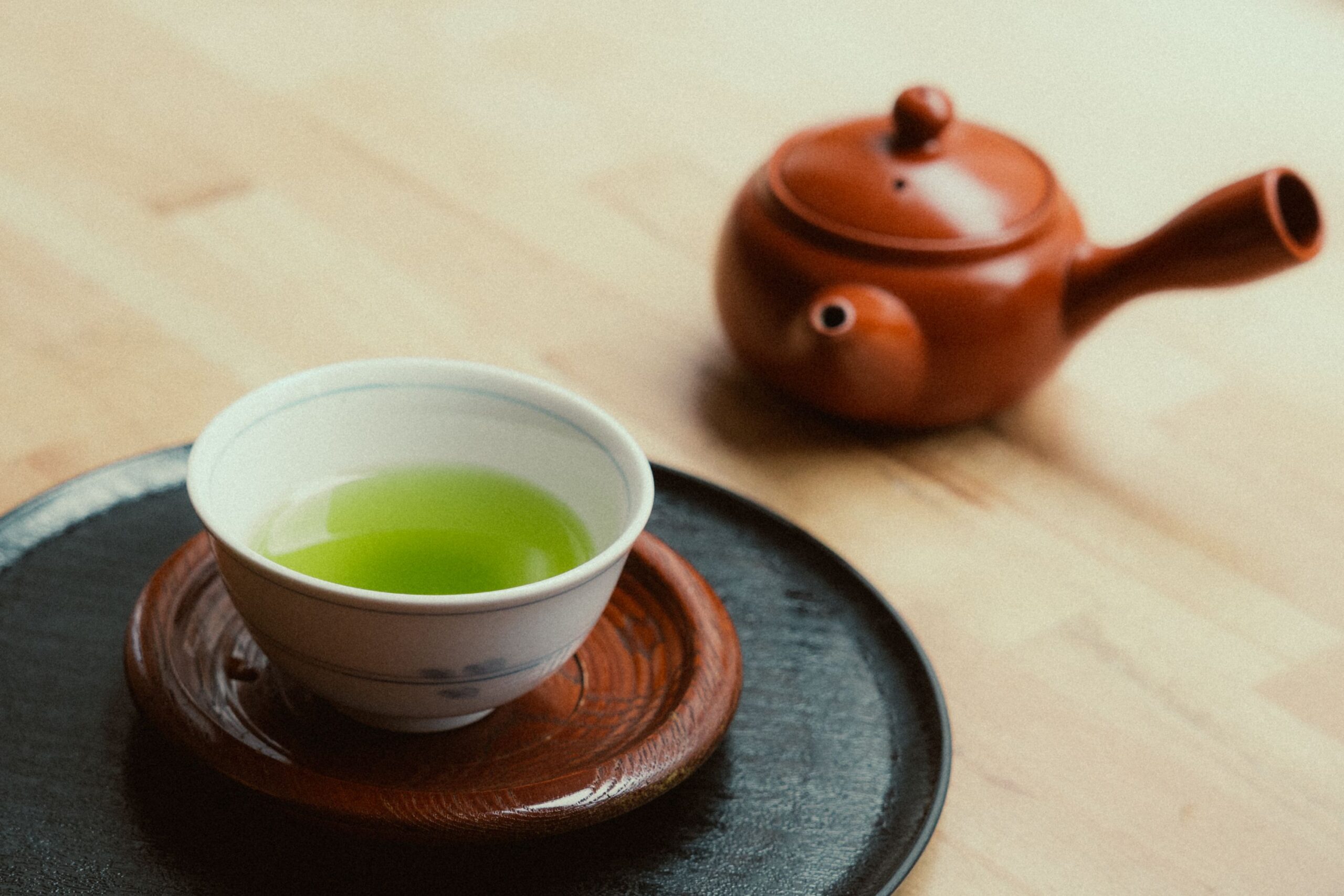
Unsweetened green tea is one of the most well-researched drinks for blood sugar support. It contains a compound called epigallocatechin gallate (EGCG) — a polyphenol that research suggests may improve insulin sensitivity and help cells absorb glucose more efficiently.
A systematic review and meta-analysis published on PubMed found that green tea consumption was associated with modest but consistent reductions in fasting blood glucose across multiple studies. Two to three cups per day of unsweetened green tea is a practical and well-tolerated amount for most adults.
Cinnamon Tea
Cinnamon has a reasonably strong body of evidence behind it for blood sugar management. The active compound cinnamaldehyde may help improve insulin sensitivity and slow the rate at which carbohydrates are broken down in the digestive system — reducing post-meal glucose spikes.
Making cinnamon tea is simple — steep a cinnamon stick in hot water for 10 minutes, or stir half a teaspoon of ground Ceylon cinnamon into warm water. Ceylon cinnamon is preferable to Cassia cinnamon for regular use, as Cassia contains higher levels of coumarin which may be harmful in large amounts over time.
Apple Cider Vinegar in Water
Apple cider vinegar (ACV) diluted in water is one of the most commonly discussed natural approaches to post-meal blood sugar management. The acetic acid in vinegar appears to slow gastric emptying — meaning food moves from the stomach to the intestine more slowly, producing a gentler and more gradual glucose rise after eating.
A systematic review and meta-analysis published on PubMed found that vinegar consumption was effective in reducing post-meal glucose and insulin levels, suggesting it may be a useful adjunctive tool for improving glycaemic control. The typical protocol used in studies is 1–2 tablespoons of ACV diluted in a full glass of water, consumed before a meal.
Herbal Teas
Several herbal teas have evidence suggesting they may support blood sugar management — including chamomile, hibiscus, and ginger tea. Chamomile in particular has been studied for its potential effects on fasting blood glucose, with some research suggesting it may help reduce post-meal glucose rises.
The evidence for herbal teas is generally less robust than for green tea, but they are a genuinely good alternative to sugary drinks, coffee with sugar, or fruit juice — and staying well hydrated with enjoyable, unsweetened drinks is itself beneficial for blood sugar management.
Black Coffee (Unsweetened)
Plain black coffee without sugar or flavoured syrups has a neutral to mildly beneficial effect on long-term blood sugar management. Some research suggests regular coffee consumption is associated with a reduced risk of type 2 diabetes, possibly due to its polyphenol content.
However, coffee is worth approaching with nuance. In some people — particularly those who are sensitive to caffeine — coffee can trigger a cortisol response that temporarily raises blood sugar. If you notice higher readings after coffee, switching to decaffeinated or limiting intake may help. And adding sugar, flavoured syrups, or sweetened milk immediately turns coffee into a blood sugar problem rather than a benefit.
| Drink | Evidence Strength | Best Used |
|---|---|---|
| Water | Strong — well established | Throughout the day, every day |
| Unsweetened green tea | Moderate — consistent across studies | 2–3 cups daily |
| Cinnamon tea | Moderate — promising but mixed | Morning or after meals |
| ACV in water | Moderate — mainly post-meal studies | Before meals, diluted only |
| Herbal teas | Limited — early stage research | As healthy alternatives to sugary drinks |
| Black coffee (unsweetened) | Mixed — varies by individual | In moderation, watch personal response |
Drinks That Raise Blood Sugar (Some May Surprise You)
Just as important as knowing what to drink to lower blood sugar naturally is knowing what to avoid. Some of these are obvious. Others genuinely catch people out.
| Drink to Avoid | Why It’s a Problem |
|---|---|
| Soft drinks and energy drinks | Very high in sugar — a standard 375ml can contains 40g of sugar or more |
| Fruit juice (including “100% natural”) | Concentrated sugar with no fibre — raises blood sugar rapidly without the slowing effect of whole fruit |
| Flavoured coffee drinks | Syrups, flavoured milks and sweeteners add significant sugar and carbohydrates |
| Sports drinks | Designed to rapidly raise blood sugar — not appropriate for everyday hydration |
| Sweetened iced teas | Often as high in sugar as soft drink despite the “tea” label |
| Alcohol | Causes unpredictable blood sugar swings — both highs and lows depending on type and amount |
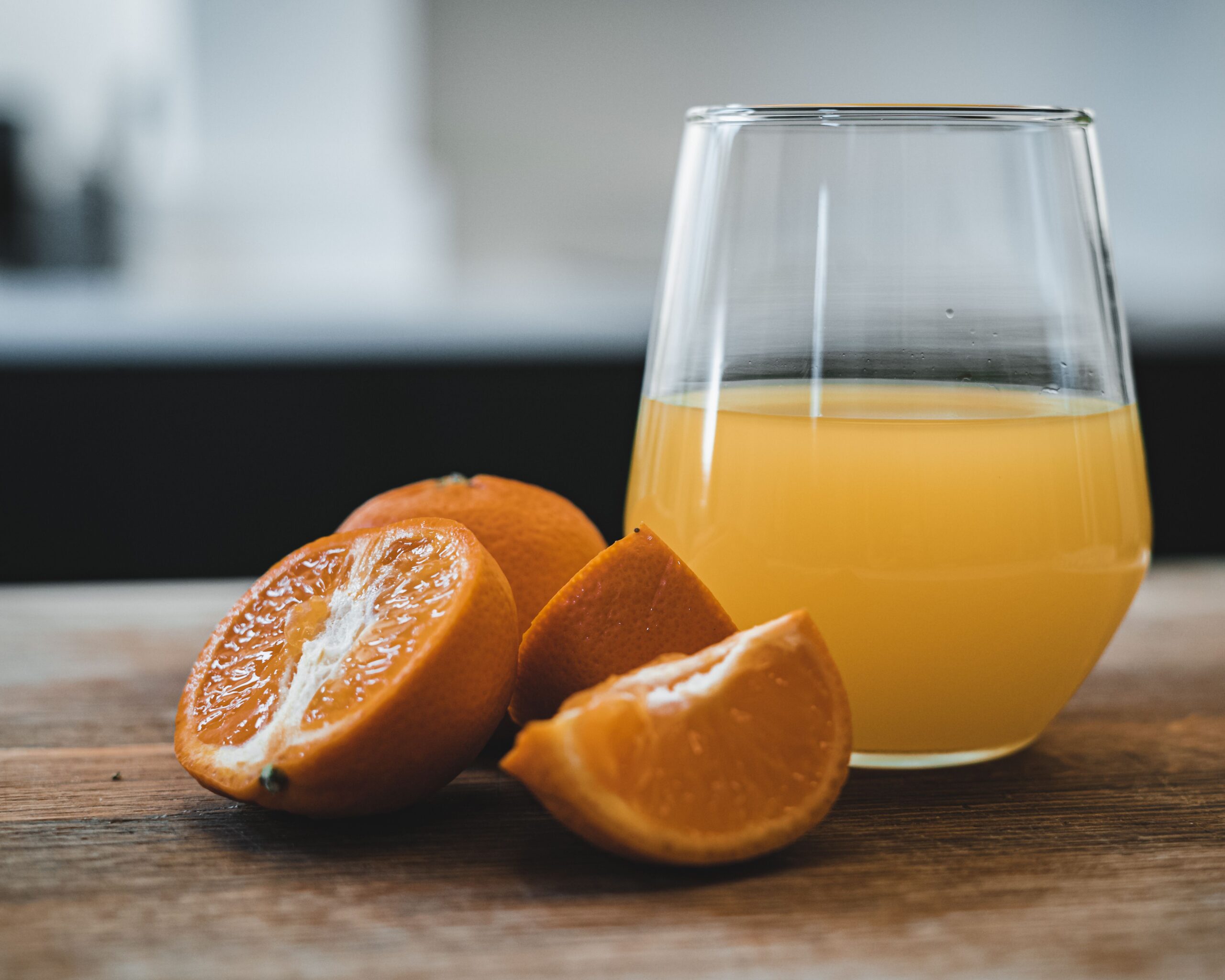
Fruit juice deserves special mention here. Many adults over 55 drink a glass of orange juice in the morning believing it to be a healthy choice. A standard 250ml glass of orange juice contains around 21–25g of sugar with almost no fibre — producing a rapid blood sugar rise that is far closer to a sugary drink than to eating the whole fruit. Eating the whole orange is a far better option, as the fibre significantly slows glucose absorption.
How to Build Better Drink Habits Every Day
Knowing what to drink to lower blood sugar immediately and naturally is useful — but consistent daily habits are where the real benefit comes from. A single glass of green tea won’t move the needle much. Two to three cups a day, every day, alongside good hydration, will.
Start the Day With Water
Drink a large glass of water first thing in the morning before coffee or tea. After 7–8 hours without fluid, your body is mildly dehydrated — rehydrating before anything else supports kidney function and helps stabilise morning blood sugar readings.
Replace One Sugary Drink Per Day
If you currently drink juice, soft drink, or sweetened coffee daily, replacing just one of those with water or unsweetened green tea is a meaningful change. Small consistent swaps compound over time — you don’t need to overhaul everything at once.
Before: Wake up → glass of OJ (21g sugar, blood sugar spikes within 30 minutes) → coffee with two sugars → mid-morning energy crash → reach for a biscuit.
After: Wake up → large glass of water → black coffee or unsweetened green tea → breakfast with protein and fibre → blood sugar rises gradually and stays stable until lunch.
That’s not a diet overhaul. It’s two swaps. And for many adults over 55, those two changes alone make a noticeable difference to energy levels and mid-morning glucose readings.
Drink Water Before and During Meals
Drinking water before and during meals may help moderate portion sizes and slow the rate at which food is consumed — both of which support lower post-meal glucose readings. It also means you’re less likely to reach for a sugary drink when you sit down to eat.
For a fuller picture of how everyday food choices affect your glucose levels, our guide to foods that lower blood sugar naturally covers the most effective dietary strategies in detail.
And if you’re looking for complementary between-meal strategies, our article on snacks for prediabetes covers the best food choices to keep blood sugar stable between meals.
- Water is the most effective and well-supported drink for blood sugar management — stay consistently hydrated throughout the day.
- Unsweetened green tea, cinnamon tea, and diluted apple cider vinegar may help support lower blood sugar naturally when used consistently as part of a healthy eating pattern.
- Fruit juice — including 100% natural varieties — raises blood sugar as quickly as soft drink. Eat the whole fruit instead.
- If you take diabetes medication, always discuss adding cinnamon or ACV with your doctor — they may interact with your medication.
- Consistent daily habits with beverages — not single interventions — are where the real benefit comes from for long-term blood sugar management.
Want More Natural Blood Sugar Tips?
Join adults over 55 across Australia and beyond who receive our free weekly blood sugar guide — practical tips, honest research, and no fluff. Ever.
Frequently Asked Questions
What is the fastest way to lower blood sugar with a drink?
Water is the fastest natural option — drinking a large glass of water supports your kidneys in filtering excess glucose more efficiently. Diluted apple cider vinegar before a meal may reduce the post-meal glucose spike, though this is more useful as a preventative measure than a response to an already-elevated reading. If your blood sugar is severely elevated and you are on medication, contact your doctor or seek medical attention rather than relying on home remedies.
Does lemon water lower blood sugar?
Lemon water itself doesn’t directly lower blood sugar, but it is a useful tool for replacing sugary drinks and staying hydrated — both of which support better glucose management. The small amount of lemon juice in a glass of water has a negligible effect on blood sugar. The benefit comes primarily from choosing lemon water over juice, soft drink, or sweetened beverages.
How much water should I drink to help lower blood sugar?
Most adults over 55 benefit from 6–8 glasses (roughly 1.5–2 litres) of water per day as a baseline. More may be needed in hot weather, after exercise, or if you take medications that affect fluid balance. The goal is consistent hydration throughout the day rather than large amounts in one sitting — spread your water intake across the day for the best effect on blood sugar management.
Is green tea better than black tea for blood sugar?
Green tea has more research behind it for blood sugar support, primarily due to its higher content of EGCG — the polyphenol associated with improved insulin sensitivity. Black tea also contains beneficial polyphenols and some studies suggest it may support glucose management, but the evidence is less consistent than for green tea. Both are good choices when unsweetened — the key is avoiding added sugar in either.
Can I drink coffee if I have diabetes?
Plain black coffee in moderation is generally fine for most people with diabetes, and some research suggests regular coffee consumption may be associated with a reduced long-term risk of type 2 diabetes. However, caffeine can raise cortisol in some individuals, which may temporarily increase blood sugar. Monitor your own response — if you notice higher readings after coffee, consider reducing intake or switching to decaf. Always avoid added sugar, flavoured syrups, or sweetened milk.