

That sudden wave of fatigue after lunch. The headache that appears out of nowhere. The thirst you can’t shake no matter how much you drink. These can all be blood sugar spike symptoms — and after 55, they’re worth paying attention to.
A blood sugar spike happens when glucose rises rapidly in your bloodstream, usually after eating. For most people under 55 with healthy insulin function, the body handles this quietly and efficiently. But after 55, insulin sensitivity naturally declines — which means spikes can happen more easily, last longer, and cause more noticeable symptoms.
The good news is that recognising the signs early gives you real options. This guide covers what blood sugar spike symptoms actually feel like, why they’re more common as you get older, and what you can do when they happen.
Free Guide: 7 Natural Ways to Help Support Healthy Blood Sugar After 55
If blood sugar management is something you want to get on top of, this free guide covers the most practical, research-backed strategies — written specifically for adults over 55.

Common blood sugar spike symptoms include sudden fatigue, increased thirst, frequent urination, headaches, blurred vision, difficulty concentrating, and feeling flushed or warm. After 55, these symptoms can be more pronounced due to reduced insulin sensitivity. Mild spikes may cause few noticeable symptoms, while higher spikes can feel significantly disruptive.
What Is a Blood Sugar Spike?
A blood sugar spike — known medically as postprandial hyperglycaemia — is a sharp rise in blood glucose, most commonly occurring after eating. When you consume carbohydrates, your digestive system breaks them down into glucose, which enters the bloodstream. In response, the pancreas releases insulin to move that glucose into your cells for energy.
In a well-functioning system, this process happens smoothly and blood sugar returns to normal within a couple of hours. A spike occurs when glucose rises faster or higher than the body can manage — either because of what was eaten, how much insulin is available, or how well cells are responding to it.
For adults over 55, blood sugar readings above 10 mmol/L (180 mg/dL) two hours after eating are generally considered elevated. However, even readings that don’t cross a clinical threshold can cause symptoms if the rise was sharp and rapid.
Blood Sugar Spike Symptoms to Watch For
The symptoms of a blood sugar spike can range from subtle to quite uncomfortable. They often appear within 30 to 60 minutes of eating and may last an hour or two. Here’s what to look for.
Sudden Fatigue or Energy Crash
One of the most common blood sugar spike symptoms is a wave of tiredness shortly after eating — particularly after a high-carbohydrate meal. This happens because when glucose floods the bloodstream rapidly, the subsequent insulin response can cause a sharp dip that leaves you feeling drained. Many people assume this is just normal digestion, but consistent post-meal fatigue is worth tracking.
Increased Thirst
When blood glucose is high, your kidneys work harder to filter the excess sugar — pulling water with it. This can leave you feeling thirsty even shortly after drinking. If you notice unusual thirst in the hour or two following meals, it may be a sign your glucose has spiked.
Frequent Urination
Closely linked to increased thirst, frequent urination after meals can indicate elevated blood glucose. The kidneys attempt to excrete excess sugar through urine — a process that increases fluid loss. After 55, this can be easy to dismiss as an age-related bladder issue, but the timing relative to meals is a useful clue.
Headaches
Headaches are a frequently reported symptom of both high and rapidly fluctuating blood sugar. They tend to occur at the temples or across the forehead and can develop within an hour of eating. MedlinePlus lists headache as a recognised symptom of hyperglycaemia, alongside thirst and frequent urination.
Blurred Vision
High blood sugar can temporarily affect the lens of the eye, causing blurred or slightly distorted vision — the lens cannot change shape properly when it contains too much glucose and water. This symptom tends to resolve as glucose comes down, but it’s one that should never be ignored — particularly if it occurs regularly or is accompanied by other symptoms.
Difficulty Concentrating or Brain Fog
A sharp glucose rise followed by a rapid fall can temporarily impair concentration and mental clarity. This is sometimes called the “post-lunch slump” — but for people with blood sugar instability, it can be more pronounced and more frequent. If you find yourself struggling to focus or think clearly after meals, blood sugar fluctuation may be a factor.
Feeling Flushed or Warm
Some people experience a feeling of warmth, flushing, or mild sweating during a blood sugar spike. This is related to the body’s inflammatory and vascular response to elevated glucose. After 55, this can sometimes be confused with hot flushes or circulatory changes, making it easy to overlook as a blood sugar symptom.
Irritability or Mood Changes
Blood sugar fluctuations can affect mood — particularly the dip that often follows a spike. Irritability, anxiety, or a low mood appearing an hour or two after eating may be linked to glucose instability rather than anything psychological. This is more common than most people realise.
Why Blood Sugar Spike Symptoms Hit Harder After 55
If you’ve noticed that your body seems to react differently to meals than it did a decade ago, you’re not imagining it. Several age-related changes make blood sugar spikes more likely — and their symptoms more noticeable — after 55.
Insulin sensitivity declines naturally with age. This means your cells are slower to respond to insulin, so glucose stays elevated in the bloodstream for longer after eating. The pancreas may also produce insulin less efficiently, adding to the delay in glucose clearance.
Reduced muscle mass is another factor. Muscle tissue is a major site for glucose uptake — the less muscle you have, the less capacity your body has to absorb glucose after a meal. This is one reason strength and resistance exercise becomes increasingly important for blood sugar management as you age.
Digestive changes also play a role. Gastric emptying — the rate at which food leaves your stomach — can slow with age, which alters the timing and pattern of post-meal glucose rises. Combined with reduced physical activity levels and more medications, the picture becomes complex.
To understand what blood sugar numbers actually mean at your age, our guide to high blood sugar symptoms after 55 covers the thresholds and warning signs in detail.
What Causes Blood Sugar to Spike
Understanding what triggers spikes is just as useful as recognising the symptoms. The causes are more varied than most people expect.
| Cause | Why It Spikes Blood Sugar |
|---|---|
| High-carb or sugary meals | Glucose floods the bloodstream faster than insulin can respond |
| Large portion sizes | More food means more glucose entering the bloodstream at once |
| Stress and anxiety | Cortisol triggers glucose release from the liver |
| Poor sleep | Disrupts insulin sensitivity, making spikes more likely the next day |
| Illness or infection | Inflammatory response raises glucose as part of the immune response |
| Certain medications | Corticosteroids and some blood pressure drugs can raise glucose |
| Dehydration | Less fluid concentrates glucose in the bloodstream |
Some of these causes are well-known. Others — like dehydration, stress, and poor sleep — are frequently overlooked. If you’re experiencing blood sugar spike symptoms regularly without an obvious dietary cause, it’s worth considering these less obvious triggers.
What to Do When Blood Sugar Spike Symptoms Appear

If you notice blood sugar spike symptoms coming on, there are several practical steps that may help your body manage the rise more effectively.
Go for a Short Walk
Even 10 minutes of gentle walking after a meal can significantly reduce post-meal glucose. Research in adults with type 2 diabetes found that walking after meals lowered postprandial glucose more effectively than a single daily walk. Your muscles absorb glucose directly during movement, pulling it out of the bloodstream without needing extra insulin.
Drink Water
Hydration helps the kidneys filter excess glucose more efficiently. When you notice symptoms of a spike, drinking a large glass of water is a simple and immediate step. It won’t dramatically lower glucose on its own, but it supports the process and helps counter the dehydration that high glucose causes.
Avoid Eating More
The fatigue and irritability that follow a blood sugar spike can trigger cravings — particularly for something sweet or starchy. Eating more at this point extends the spike and can worsen symptoms. If you’re hungry, reach for protein or non-starchy vegetables rather than carbohydrates.
Rest and Reduce Stress
If stress is a contributing factor, taking 10 minutes to breathe slowly and rest can help lower cortisol levels, which in turn may support glucose coming down more steadily. It sounds simple — but the stress-glucose connection is real and often underestimated.
Understanding whether fatigue, headaches, or brain fog after meals are blood sugar related is an important first step. Our article on does type 2 diabetes make you tired explores the fatigue connection in more depth.
How to Reduce Blood Sugar Spikes Long-Term
Managing blood sugar spike symptoms over time comes down to reducing the size and frequency of the spikes themselves. These strategies have the strongest evidence behind them for adults over 55.
Change the Order You Eat
Eating vegetables and protein before carbohydrates at a meal has been shown in research to reduce post-meal glucose spikes significantly. The fibre and protein slow gastric emptying, which flattens the glucose curve. This requires no change to what you eat — only the sequence.
Choose Lower-Glycaemic Carbohydrates
Not all carbohydrates behave the same way. Refined carbohydrates — white bread, white rice, sugary drinks — cause rapid, sharp glucose rises. Lower-glycaemic options like oats, legumes, sweet potato, and most vegetables release glucose more gradually, producing a much flatter response.
Add Protein and Fat to Every Meal
Protein and fat slow the absorption of carbohydrates from the digestive system. A meal that combines protein, healthy fat, fibre, and carbohydrates will produce a far smaller glucose spike than the same amount of carbohydrates eaten alone. This is one of the most practical and sustainable dietary changes you can make.
Keep Portions Moderate
Even healthy foods can cause significant spikes in large quantities. After 55, spreading food intake more evenly across 3-4 smaller meals or snacks tends to produce more stable glucose levels than 2 large meals. This is particularly true for the evening meal — insulin sensitivity is naturally lower in the second half of the day.
Move After Meals Consistently
Building a habit of a 10-15 minute walk after each main meal is one of the most effective and evidence-backed strategies for reducing post-meal glucose spikes. It doesn’t need to be vigorous — a gentle, comfortable pace is sufficient to make a meaningful difference.
- Blood sugar spike symptoms include fatigue, thirst, frequent urination, headaches, blurred vision, brain fog, and mood changes — often appearing 30–60 minutes after eating.
- After 55, reduced insulin sensitivity and lower muscle mass make spikes more likely and their symptoms more noticeable.
- Not everyone feels spikes — some people have elevated glucose with no symptoms at all, which is why regular monitoring matters.
- A 10-minute walk after meals, drinking water, and avoiding additional carbohydrates are the most practical immediate responses.
- Long-term, eating protein and vegetables before carbohydrates, choosing lower-glycaemic foods, and moving consistently after meals can significantly reduce spike frequency and severity.
Want More Natural Blood Sugar Tips?
Join thousands of adults over 55 who receive our free weekly blood sugar guide — practical tips, honest research, and no fluff. Ever.
Frequently Asked Questions
How do I know if my symptoms are from a blood sugar spike or something else?
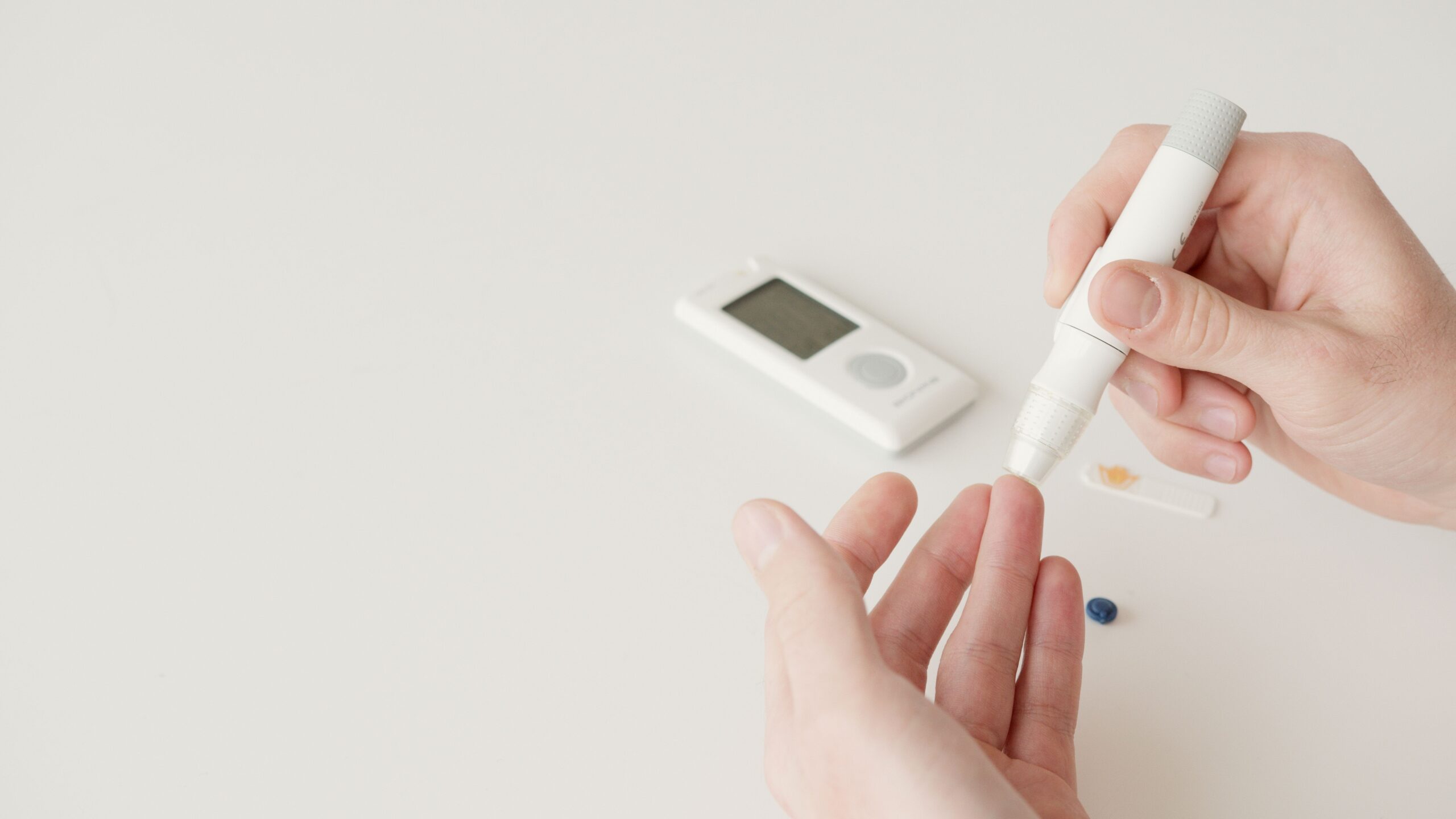
The timing is the key clue. Blood sugar spike symptoms typically appear within 30–90 minutes of eating, particularly after carbohydrate-heavy meals. If your fatigue, headaches, or thirst consistently appear in this window and improve 1–2 hours later, blood glucose fluctuation is a likely factor. A glucose meter is the most reliable way to confirm what’s happening.
Can you have a blood sugar spike without having diabetes?
Yes — blood sugar spikes can occur in people without diabetes, particularly after large or high-carbohydrate meals. After 55, the risk increases due to natural declines in insulin sensitivity. Frequent or severe spikes in people without diagnosed diabetes may indicate prediabetes, which is worth discussing with a doctor.
How high does blood sugar have to go to cause symptoms?
This varies considerably between individuals. Some people notice symptoms at readings around 9–10 mmol/L (160–180 mg/dL), while others feel nothing until readings are significantly higher. The speed of the rise can matter as much as the peak — a rapid spike can cause noticeable symptoms even if the absolute level doesn’t reach a high threshold.
Is feeling tired after eating always a blood sugar spike?
Not necessarily — post-meal fatigue can also result from the normal digestive process, a heavy meal, or disrupted sleep. However, if the tiredness is consistent, pronounced, and accompanied by other symptoms like thirst or brain fog, blood glucose fluctuation is worth investigating. Tracking your symptoms alongside meals for a few weeks often reveals the pattern.
What foods are most likely to cause a blood sugar spike after 55?
The most common culprits are white bread, white rice, sugary drinks, fruit juice, breakfast cereals, flavoured yoghurt, biscuits, and other refined carbohydrates. Portion size matters too — even lower-glycaemic foods can cause significant spikes when eaten in large amounts. Eating these foods alongside protein, fat, and fibre reduces their impact considerably.