

Founder, HealthAfter55.com — Richard researches natural health strategies for adults over 55, with a focus on blood sugar, energy, and healthy ageing. He is not a medical professional. Always consult your doctor before making health changes.
Free Guide: 7 Natural Ways to Help Support Healthy Blood Sugar After 55
Practical strategies for blood sugar control — written specifically for adults over 55.
You’re doing well at mealtimes — the proteins, the vegetables, the smaller portions. But then 3pm arrives and hunger hits, and suddenly the biscuit tin is looking very tempting.
For anyone managing diabetes or blood sugar after 55, snacking is often where the best intentions come unstuck. Most packaged snacks — even the ones marketed as healthy — are loaded with hidden sugars and refined carbohydrates that send glucose levels spiking. Choosing genuine low carb snacks for diabetics makes a real difference to how steady your blood sugar stays between meals.
The good news is there are plenty of genuinely satisfying low carb snacks for diabetics that keep blood sugar steady, curb hunger, and actually taste good. This guide ranks the best options — with practical notes on why each one works.
The best low carb snacks for diabetics are those high in protein, healthy fat, and fibre — and low in added sugar and refined carbohydrates. Top options include a small handful of nuts, boiled eggs, plain Greek yoghurt, cheese with vegetable sticks, avocado, and tinned fish. These snacks digest slowly, support stable blood sugar, and keep you full between meals.
Why Snacking Matters for Blood Sugar After 55
After 55, many people find that going more than 3–4 hours without eating leads to energy crashes, irritability, and stronger cravings — which then lead to poor food choices. This is especially common when insulin sensitivity has declined and the body is less efficient at maintaining steady glucose between meals.
The right snack bridges the gap between meals without causing a glucose spike. When it comes to low carb snacks for diabetics, it should be high enough in protein or fat to slow digestion, and low enough in carbohydrates to avoid triggering a significant insulin response.
Think of it this way: a 63-year-old managing prediabetes who skips an afternoon snack and arrives at dinner ravenous is far more likely to overeat — and overeating a normal dinner causes a much bigger blood sugar spike than a small, well-chosen snack two hours earlier would have.
The Best Low Carb Snacks for Diabetics — Ranked
These options are ranked by how well they support blood sugar stability, how practical they are to prepare, and how satisfying they are for adults over 55. All are widely available in Australian supermarkets.
1. A Small Handful of Mixed Nuts
Carbs: ~4–6g per 30g serve
Nuts are one of the most blood-sugar-friendly snacks available. Almonds, walnuts, macadamias, and pecans are all excellent — high in healthy fat, protein, and fibre, with minimal impact on glucose. Research published in the British Journal of Nutrition found that nuts have minimal effects on post-meal blood glucose when eaten alone and may reduce the glycaemic response when consumed alongside higher-carbohydrate foods — making them one of the most blood-sugar-friendly low carb snacks for diabetics available. Keep portions to a small handful (about 30g) — nuts are calorie-dense and easy to overeat.
2. Boiled Eggs
Carbs: 0g per egg
Hard-boiled eggs are about as close to a perfect diabetic snack as you can get. Zero carbohydrates, high protein, and a good source of healthy fat — they have virtually no effect on blood sugar and keep you full for hours. Boil a batch at the start of the week and keep them in the fridge for a grab-and-go option that requires zero preparation at snack time.
3. Plain Greek Yoghurt
Carbs: ~6–8g per 170g serve (from natural lactose — not added sugar)
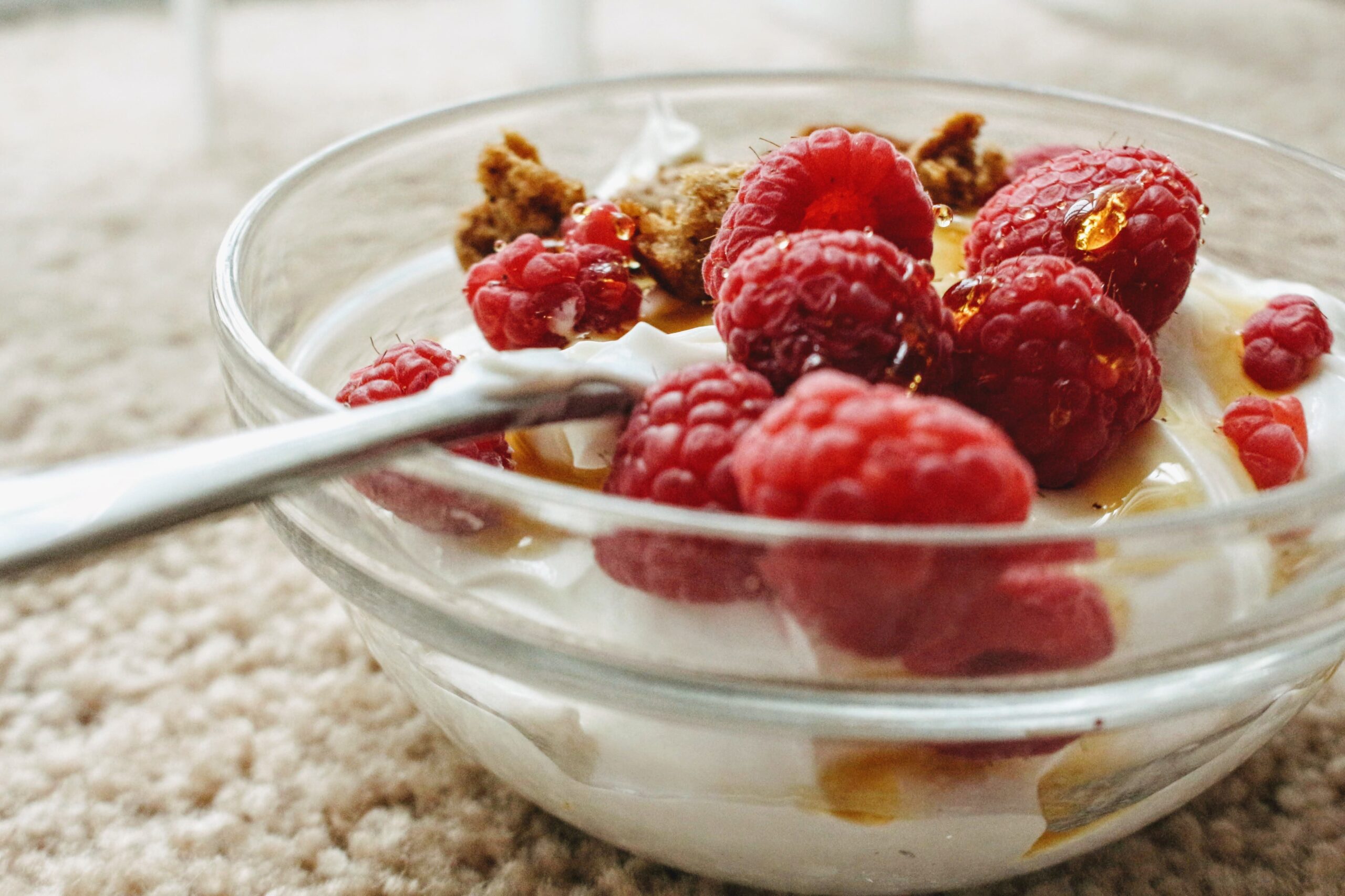
Plain, full-fat Greek yoghurt is high in protein, contains beneficial probiotics, and has a low glycaemic index. A large meta-analysis of 14 prospective cohorts found that higher yoghurt intake was associated with a reduced risk of type 2 diabetes — making plain Greek yoghurt one of the most well-supported low carb snacks for diabetics available. The key word is plain — flavoured yoghurts can contain 20–30g of added sugar per serve, making them closer to dessert than a health food. Add a small handful of berries if you want flavour without the sugar hit.
4. Cheese with Vegetable Sticks
Carbs: ~2–4g (from vegetables)
A few slices of cheese paired with cucumber, celery, capsicum, or carrot sticks makes a satisfying, balanced snack with minimal carbohydrate load. The fat and protein in cheese slow digestion, while the vegetables add fibre and crunch. This combination is particularly good for the 3pm slump — it’s substantial enough to hold you through to dinner without a glucose spike.
5. Avocado
Carbs: ~2g net carbs per half avocado
Half an avocado — plain, with a squeeze of lemon, or spread on a small piece of wholegrain cracker — is an excellent low carb snack. Avocados are rich in monounsaturated fat, potassium, and fibre, with almost no digestible carbohydrates. They also help slow the absorption of any carbohydrates eaten alongside them, making them a smart pairing.
6. Tinned Fish
Carbs: 0g
Tinned tuna, salmon, or sardines in springwater or olive oil are zero-carb, high-protein, and rich in omega-3 fatty acids. Research published on PubMed found that omega-3 supplementation may support cardiovascular risk profiles in people with metabolic syndrome — both important considerations for adults over 55 managing diabetes. Eat with a few rice crackers if you want some crunch, though go easy — even plain rice crackers are moderate-GI.
7. Hummus with Vegetable Sticks
Carbs: ~6g per 2 tablespoon serve
Hummus is made from chickpeas — a legume with a low glycaemic index — and provides a useful combination of plant protein, fibre, and healthy fat. Pair two tablespoons with a generous serve of vegetable sticks for a filling, blood-sugar-friendly snack. Avoid the flavoured varieties which often add sugar or excess oil.
8. A Small Apple with Almond Butter
Carbs: ~20g (mostly from the apple)
This one is slightly higher in carbohydrates than others on the list, but worth including because the fibre in the apple combined with the fat and protein in almond butter produces a much gentler glucose response than the apple alone. It’s a good option when you need something more substantial — just keep the apple small and the almond butter to one tablespoon.
| Snack | Approx. Carbs | Best For |
|---|---|---|
| Mixed nuts (30g) | 4–6g | On-the-go, desk snack |
| Boiled eggs (2) | 0g | Filling, zero sugar |
| Plain Greek yoghurt | 6–8g | Protein + probiotics |
| Cheese + veg sticks | 2–4g | 3pm slump |
| Half avocado | ~2g net | Healthy fat, very filling |
| Tinned fish | 0g | High protein, omega-3s |
| Hummus + veg sticks | ~6g | Plant-based option |
| Small apple + almond butter | ~20g | More substantial snack |
Snacks to Avoid — and Why
Some snacks are obvious offenders — chocolate bars, lollies, soft drinks. But several others catch people out because they appear healthy on the surface. Understanding what to avoid is just as important as knowing the best low carb snacks for diabetics.
| Snack to Avoid | The Problem | Better Alternative |
|---|---|---|
| Flavoured yoghurt | Up to 30g added sugar per serve | Plain Greek yoghurt + berries |
| Muesli bars | High sugar, high GI despite “healthy” label | A small handful of plain nuts |
| Fruit juice | Concentrated sugar, no fibre | Whole fruit in small portions |
| Plain rice cakes alone | High GI on their own — spikes glucose without protein or fat | Top with avocado or cheese to slow glucose response |
| Dried fruit | Very concentrated sugar, easy to overeat | Fresh berries in small amounts |
| Low-fat biscuits | Fat replaced with sugar to maintain flavour | Boiled eggs or cheese with veg |
For a more complete list of foods that cause unexpected blood sugar spikes, our article on foods that spike blood sugar covers the most common culprits in detail — including several that are often marketed as diabetic-friendly.
Practical Tips for Smarter Snacking
Knowing the right low carb snacks for diabetics is one thing. Making it easy to choose them consistently is another. These habits make a real difference.
Prepare in Advance
Boil a batch of eggs at the start of the week. Pre-portion nuts into small containers. Cut vegetable sticks and store them in water in the fridge. When hunger strikes, the right option needs to be the easy option — if it requires preparation in the moment, most people won’t do it.
Time Your Snacks
Snack between meals — not immediately before them. A snack 2–3 hours after a meal and 1–2 hours before the next one keeps blood sugar stable without disrupting appetite for proper meals. For many people, arriving at dinner already hungry makes it harder to eat appropriate portions.
Watch Portions Even on Low Carb Snacks
Nuts, cheese, and avocado are all excellent low carb snacks for diabetics — but they’re calorie-dense. A small handful of nuts is 30g. A serve of cheese is roughly two thin slices. Half an avocado. Portion awareness still matters even when carbohydrates are low.
For more guidance on building your overall eating pattern around blood sugar control, our guide to foods that lower blood sugar naturally covers the full picture — from meals to snacks to everyday habits that make a difference.
If you’ve been diagnosed with prediabetes and want specific snack guidance tailored to that situation, our article on snacks for prediabetes goes deeper on the best options for that stage.
- The best low carb snacks for diabetics are high in protein, healthy fat, or fibre — and low in added sugar and refined carbohydrates.
- Top options include mixed nuts, boiled eggs, plain Greek yoghurt, cheese with vegetable sticks, avocado, tinned fish, and hummus.
- Watch out for snacks that appear healthy but are high in hidden sugar — flavoured yoghurts, muesli bars, dried fruit, and “sugar-free” products can all cause blood sugar spikes.
- Preparing snacks in advance is the most reliable way to make good choices consistently — when hunger hits, the right food needs to be the easy food.
- Even low carb snacks should be eaten in appropriate portions — nuts, cheese, and avocado are calorie-dense and easy to overeat.
Want More Natural Blood Sugar Tips?
Join adults over 55 across Australia and beyond who receive our free weekly blood sugar guide — practical tips, honest research, and no fluff. Ever.
Frequently Asked Questions
How many carbs should a diabetic snack have?
As a general guide, a snack for blood sugar management should contain under 15g of carbohydrates and include a source of protein or healthy fat to slow glucose absorption. That said, individual carbohydrate tolerance varies — what works well for one person may produce a different response in another. If you monitor your blood sugar, testing after snacks can help identify which options work best for you personally.
Are nuts good for diabetics?
Yes — plain, unsalted nuts are one of the best snack choices for blood sugar management. They’re low in carbohydrates, high in healthy fat and protein, and research suggests they have minimal effect on post-meal blood glucose and may help reduce the glycaemic response of other foods eaten alongside them. Almonds, walnuts, pecans, and macadamias are particularly good options. Keep portions to around 30g to avoid excess calories.
Is Greek yoghurt a good snack for diabetics?
Plain, unsweetened Greek yoghurt is an excellent snack for diabetics. It’s high in protein, has a low glycaemic index, and contains probiotics that may support gut health. The key is choosing plain varieties — flavoured Greek yoghurts often contain significant added sugar and are not a suitable choice for blood sugar management.
Can diabetics eat fruit as a snack?
Yes, in moderation and with the right choices. Berries (blueberries, strawberries, raspberries) are the best fruit options — they’re relatively low in sugar and high in fibre and antioxidants. A small apple or pear is also fine, particularly when paired with protein like almond butter or cheese. Avoid fruit juice and dried fruit, which are concentrated in sugar and lack the fibre that slows glucose absorption.
What should I snack on before bed if I have diabetes?
A small, low-carb snack before bed may help prevent overnight blood sugar drops for some people — particularly those on insulin or certain medications. Good options include a small handful of nuts, a boiled egg, or a few slices of cheese. Avoid high-carbohydrate snacks before bed as these can cause a glucose spike that disrupts sleep quality and overnight glucose stability. Always discuss bedtime eating with your doctor if you’re on diabetes medication.