

Founder, HealthAfter55.com — Richard researches natural health strategies for adults over 55, with a focus on blood sugar, energy, and healthy ageing. He is not a medical professional. Always consult your doctor before making health changes.
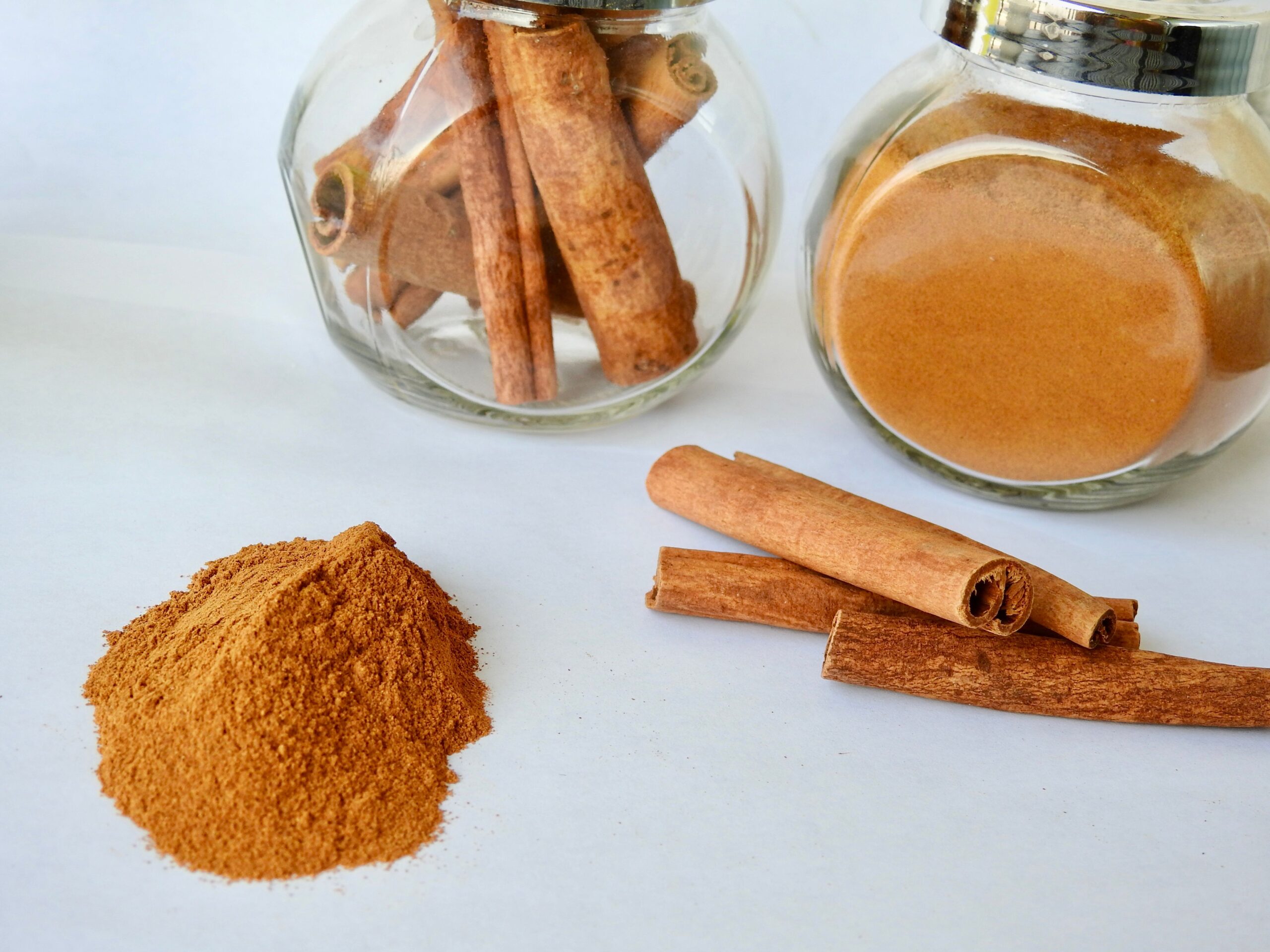
Can cinnamon lower blood sugar? It is one of the most commonly asked questions in natural health — and one of the most poorly answered. Most articles either oversell it as a miracle spice or dismiss it entirely. The truth is more nuanced, and if you are over 55 managing borderline or elevated blood sugar, that nuance genuinely matters.
Cinnamon has been studied for blood sugar effects more than almost any other common spice. There is real clinical research behind it — including multiple meta-analyses covering dozens of randomised controlled trials. But the results across those studies are genuinely mixed, and how you use cinnamon (food versus supplement, which type, and what dose) makes a significant difference to whether you are likely to see any benefit at all.
This article walks through what the research actually shows — including the studies that found meaningful effects and the studies that found none. It also covers the safety questions that are especially relevant for adults over 55, particularly around liver health, medication interactions, and the important difference between the two main types of cinnamon sold in stores.
🗓️ Last reviewed and updated: June 2026
Want More Natural Blood Sugar Tips?
Join thousands of adults over 55 who receive our free weekly guide — practical, research-backed strategies for blood sugar, energy, and healthy ageing. No fluff, ever.
Research suggests cinnamon may modestly support healthy blood sugar levels — particularly fasting glucose — in some people with type 2 diabetes or prediabetes. However, results across studies are inconsistent, and the effect appears to depend on dose, type of cinnamon, and individual response. It is a reasonable natural addition to a blood sugar management plan, but it is not a substitute for diet, lifestyle, or prescribed medication.
How Cinnamon May Affect Blood Sugar
Before looking at the clinical evidence, it helps to understand the biological mechanisms researchers believe are at work. There are several plausible pathways — though it is important to note that most of the mechanism research has been conducted in laboratory or animal settings rather than in humans.
Insulin Mimicry
Cinnamon contains compounds — particularly cinnamaldehyde and certain polyphenols — that appear to mimic insulin’s action at the cellular level. This means they may help move glucose from the bloodstream into cells more efficiently, even without additional insulin being secreted by the pancreas. This mechanism is particularly relevant for adults over 55, since insulin resistance — where cells become less responsive to insulin — tends to increase progressively with age.
Slowing Gastric Emptying
Some research suggests cinnamon may slow the rate at which food leaves the stomach and enters the small intestine. A slower rate of gastric emptying means glucose enters the bloodstream more gradually after meals, which can reduce post-meal blood sugar spikes. This is one of the same mechanisms targeted by certain diabetes medications.
Inhibiting Carbohydrate-Digesting Enzymes
Cinnamon compounds appear to inhibit enzymes in the small intestine that break down complex carbohydrates into simple sugars. By slowing this process, less glucose may be absorbed at once — again reducing the post-meal glucose spike. This is the same general mechanism used by acarbose, a prescription medication for type 2 diabetes.
Anti-Inflammatory and Antioxidant Effects
Chronic low-grade inflammation is a known contributor to insulin resistance. Cinnamon has demonstrated antioxidant and anti-inflammatory properties in laboratory research. Whether these effects translate to meaningful clinical benefit in humans at realistic doses remains an open question.
What the Research Actually Shows
This is where honesty matters most. The research on whether cinnamon can lower blood sugar is genuinely mixed — and anyone presenting a simple yes or no answer is not giving you the full picture.
Studies That Found a Benefit
A 2023 umbrella meta-analysis — a study that pooled the results of 11 separate meta-analyses of randomised controlled trials — found that cinnamon supplementation produced statistically significant reductions in fasting plasma glucose, insulin levels, and insulin resistance markers in people with type 2 diabetes. The pooled effect on fasting glucose was a reduction of approximately 10.93 mg/dL. A modest but measurable HbA1c reduction of 0.10% was also observed across the pooled data.
A separate 2023 meta-analysis of 24 randomised controlled trials similarly found statistically significant reductions in fasting blood sugar and HbA1c in people with type 2 diabetes who supplemented with cinnamon compared to placebo groups.
A 2024 randomised controlled crossover trial published in the American Journal of Clinical Nutrition is particularly relevant for this audience. It studied adults with obesity and prediabetes — with a mean age of 51 years and mean fasting plasma glucose of 102.9 mg/dL. Participants received 4g of cinnamon daily for four weeks, with continuous glucose monitoring throughout. The study found that cinnamon reduced triglyceride levels significantly during the intervention period. This population profile — middle-aged, overweight, prediabetic — closely matches many adults over 55 who are managing borderline blood sugar.
Studies That Found No Significant Effect
It is equally important to acknowledge that other well-conducted studies have found no meaningful blood sugar benefit from cinnamon. A 2023 dose-response meta-analysis published in Nutrients found no significant effect of cinnamon on fasting blood glucose or HbA1c in people with type 2 diabetes, though it did find benefits for triglycerides and LDL cholesterol.
A 2025 meta-analysis found significant reductions in HbA1c and post-meal glucose but no significant effect on fasting blood glucose. Mayo Clinic’s review of the evidence notes that many studies used different doses and different types of cinnamon, making it difficult to draw firm conclusions.
The honest picture is this: cinnamon shows a plausible and modest benefit for some people with elevated blood sugar, but the effect is not consistent across all studies, and it is not strong enough to predict with confidence that any individual will experience a meaningful change.

Summary of the Evidence
| Outcome | Evidence | Consistency |
|---|---|---|
| Fasting blood glucose | Moderate — some studies show modest reductions | Inconsistent across studies |
| Post-meal blood glucose | Moderate — slowing gastric emptying is plausible | Moderately consistent |
| HbA1c (long-term average) | Weak to moderate — effects are small where found | Inconsistent — many studies find no effect |
| Insulin resistance (HOMA-IR) | Moderate — some reductions found in pooled data | Moderately consistent in meta-analyses |
| Triglycerides and cholesterol | Moderate — more consistent lipid benefits found | More consistent than glucose effects |
Cassia vs Ceylon: Why the Type of Cinnamon Matters
This is the section most articles skip past too quickly — and for adults over 55, it is genuinely important to understand.
There are two main types of cinnamon sold in stores and used in supplements:
Cassia Cinnamon
This is the type found in the vast majority of supermarkets, baking spice racks, and inexpensive supplements. If a product is simply labelled “cinnamon” with no further detail, it is almost certainly cassia. Cassia is less expensive to produce and has a stronger, spicier flavour that most people associate with cinnamon.
The key issue with cassia is its coumarin content. Coumarin is a naturally occurring compound found in relatively high concentrations in cassia — approximately 1 to 12mg per teaspoon depending on the brand and origin. At high daily doses, coumarin has the potential to stress the liver over time. For occasional culinary use, this is not a concern for most healthy adults. For anyone taking cinnamon in large daily amounts — through supplements or by adding multiple teaspoons to food every day for health purposes — the coumarin content of cassia becomes relevant.
Ceylon Cinnamon (“True Cinnamon”)
Ceylon cinnamon (Cinnamomum verum), sometimes labelled “true cinnamon,” comes primarily from Sri Lanka and has a milder, more delicate flavour. Critically, it contains very low amounts of coumarin — well below levels of concern even with consistent daily use. A phase I clinical trial published on PubMed confirmed that Ceylon cinnamon demonstrated no significant adverse effects or toxicity — including no liver toxicity — in healthy adults over a three-month escalating-dose protocol.
Ceylon is harder to find in regular supermarkets and costs more than cassia. It is more commonly available in health food stores and online, where it is usually clearly labelled as “Ceylon” or “Cinnamomum verum.”
| Cassia | Ceylon | |
| Common labels | “Cinnamon” (unlabelled type) | “Ceylon” / “True cinnamon” / “Cinnamomum verum” |
| Coumarin content | High (1–12mg per teaspoon) | Very low (trace amounts) |
| Liver safety for daily use | Caution at high doses | Considered safe for daily use |
| Availability | Most supermarkets | Health food stores, online |
| Price | Lower | Higher |
📌 Affiliate link — we may earn a small commission if you purchase, at no extra cost to you.
If you are already making dietary changes and want to explore additional natural support, Sugar Defender is a liquid dropper supplement that includes gymnema and chromium — two ingredients with meaningful clinical evidence for blood sugar management. It is not a substitute for lifestyle changes, but it may be worth exploring as a complement alongside a cinnamon routine. The 60-day money-back guarantee through ClickBank means the financial risk of trying it is low. Always speak with your doctor first.
Food vs Supplement: The Dose Gap You Need to Know About
This is a distinction almost no mainstream article on whether cinnamon can lower blood sugar explains clearly — and it has real implications for whether you are likely to see any effect.
A typical sprinkle of cinnamon on porridge or in your morning coffee provides roughly 0.5 to 1 gram of cinnamon. The clinical studies that found blood sugar benefits used doses ranging from 1 gram to 6 grams per day — with many using 2 to 3 grams daily.
That means a single light sprinkle on food sits at the very bottom of the range where any effect has been observed, and well below the doses used in most positive trials. To reach 2 to 3 grams through food, you would need approximately half a teaspoon to a full teaspoon of cinnamon added to your daily diet — every day, consistently.
Cinnamon supplements typically deliver 500mg to 2000mg per capsule or serving, which makes reaching the study doses more straightforward — but also increases the importance of the cassia versus ceylon distinction described above.
Safety for Adults Over 55: What to Know Before You Start
For most adults, adding cinnamon to food in culinary amounts is safe and well tolerated. However, adults over 55 as a group are more likely to be taking prescription medications, have existing health conditions, and have reduced liver and kidney processing capacity compared to younger adults. These factors make the following safety considerations more relevant for this age group specifically.
Liver Health
As discussed above, high daily doses of cassia cinnamon carry a coumarin-related liver risk. This risk is most relevant for people with pre-existing liver conditions or those taking medications that are processed by the liver. If you have any liver condition or take regular medication, choose Ceylon cinnamon for any consistent daily use, and mention it to your doctor.
Medication Interactions
This is the most important safety consideration for adults over 55, who are statistically the most likely demographic to be taking multiple prescription medications simultaneously.
| Medication Type | Potential Interaction | Recommendation |
|---|---|---|
| Diabetes medications (metformin, insulin, sulfonylureas) | May enhance blood sugar-lowering effect — risk of hypoglycaemia | Discuss with your doctor before adding regular cinnamon supplementation |
| Blood thinners (warfarin, aspirin) | Cinnamon may have mild blood-thinning properties — additive effect possible | Discuss with your doctor or pharmacist before use |
| Liver-metabolised medications (statins and others) | High-dose cassia may affect how these drugs are processed | Choose Ceylon cinnamon; mention to doctor |
| Blood pressure medications | Cinnamon may have mild blood pressure effects in some people | Mention to doctor — generally low risk at culinary doses |
Lead Contamination in Some Brands
This is a safety issue worth knowing about that few articles mention. Some commercial cinnamon brands — particularly certain cassia products — have been found to contain elevated lead levels in consumer testing. The risk from a small culinary sprinkle is minimal, but for anyone taking daily supplement doses, buying from reputable brands that test their products for heavy metals is a reasonable precaution. Look for products with third-party testing certification on the label.
Digestive Sensitivity
At higher doses, cinnamon can cause digestive discomfort in some people — mouth irritation, nausea, or mild stomach upset. Starting with smaller amounts and increasing gradually is sensible practice, particularly if you are trying cinnamon supplements for the first time.
How to Use Cinnamon Sensibly for Blood Sugar Support
Based on the available research and safety profile, here is practical guidance on incorporating cinnamon as part of a blood sugar management approach after 55.
If Using Food Sources
Aim for approximately half a teaspoon to one teaspoon of Ceylon cinnamon daily, added consistently to food or drink. This sits in the lower range of doses used in positive clinical trials. Practical ways to add it include stirring into porridge or yoghurt, adding to a smoothie, or sprinkling over fruit. Consistency matters more than the specific method of delivery.
If Using Supplements
If you prefer a supplement, look for products that clearly state “Ceylon cinnamon” or “Cinnamomum verum” on the label. Doses used in clinical studies typically range from 1 to 3 grams per day. Start at a lower dose and assess tolerance before increasing. Always choose products from reputable brands with third-party quality testing.
Timing
Some research suggests taking cinnamon with meals may be more effective for post-meal blood sugar management, given its proposed mechanism of slowing gastric emptying and enzyme inhibition. There is no strong evidence that time of day matters significantly for fasting glucose effects.
What to Monitor
Your next HbA1c test result after 12 weeks of sustained, consistent cinnamon use will give you the most reliable picture of any longer-term effect. Tracking fasting glucose weekly with a home monitor provides earlier signals, but HbA1c reflects the full 90-day average and is the more meaningful measure for assessing blood sugar trends over time.
Honest Verdict: Can Cinnamon Lower Blood Sugar?
The honest answer is: possibly, modestly, and for some people more than others.
The clinical research does not support the idea that cinnamon is a reliable blood sugar solution. The evidence is genuinely inconsistent — some well-conducted meta-analyses find meaningful effects on fasting glucose and insulin resistance, others find none. The effect sizes where found are modest, and the research populations vary widely enough that predicting individual response is not possible.
What the evidence does support is this: cinnamon appears to be a safe, low-cost addition to a healthy diet for most adults over 55, with a plausible biological rationale and a track record in some trials of producing modest improvements in blood sugar markers. For someone already eating well and making lifestyle changes, it is a reasonable thing to include — not as a primary strategy, but as one small piece of a larger approach.
The caveats are real. Type matters — choose Ceylon for regular daily use. Dose matters — a light sprinkle may not reach the range where effects have been observed. And medication interactions are a genuine consideration for adults over 55 on common prescriptions. For a deeper look at the timing question, see our article on cinnamon and blood sugar.
- Research on whether cinnamon can lower blood sugar is genuinely mixed — some meta-analyses show modest benefits, others find no significant effect. Both are real findings.
- The most consistent evidence suggests cinnamon may modestly reduce fasting glucose and improve insulin resistance markers in people with type 2 diabetes. HbA1c effects are smaller and less consistent.
- Type matters: choose Ceylon cinnamon (Cinnamomum verum) for any regular daily use — cassia contains high levels of coumarin that may stress the liver at high daily doses.
- Food amounts (a light sprinkle) may sit below the doses used in clinical trials. Half a teaspoon to one teaspoon daily reaches the lower end of the studied range.
- Adults over 55 on diabetes medication, blood thinners, or liver-metabolised drugs should discuss cinnamon supplementation with their doctor before starting.
- Cinnamon at culinary doses is low risk for most healthy adults. It is best understood as a modest complement to diet and lifestyle — not a standalone blood sugar treatment.
📌 Affiliate link — we may earn a small commission if you purchase, at no extra cost to you.
Interested in a Natural Blood Sugar Supplement?
If you are already managing blood sugar through diet and lifestyle and want to explore additional natural support, Sugar Defender may be worth considering. It contains gymnema and chromium — two ingredients with the strongest clinical evidence for blood sugar support. The 60-day money-back guarantee through ClickBank means you can try it with low financial risk. Always speak with your doctor first.
Learn More About Sugar Defender →
Affiliate link — commission may be earned at no cost to you. Not medical advice. Results vary. Always consult your doctor.
Frequently Asked Questions: Can Cinnamon Lower Blood Sugar?
Can cinnamon lower blood sugar quickly?
Cinnamon is not a fast-acting blood sugar remedy. The proposed mechanisms — slowing gastric emptying and reducing post-meal glucose spikes — may produce some effect within a few hours of a meal, but meaningful changes to fasting glucose or HbA1c take weeks to months of consistent daily use to become measurable, if they occur at all. It should not be used to manage an acute high blood sugar episode.
How much cinnamon should I take for blood sugar?
Clinical studies have used doses ranging from 1 to 6 grams per day, with many positive trials using 1 to 3 grams. In food terms, half a teaspoon to one teaspoon of cinnamon powder is approximately 1.5 to 3 grams. If using a supplement, check the label for the amount per serving and ensure it specifies Ceylon cinnamon. There is no established optimal dose — start low and assess tolerance.
Is cinnamon safe to take every day?
Ceylon cinnamon is considered safe for regular daily use at typical supplemental doses. Cassia cinnamon carries a higher coumarin load and is better suited to occasional culinary use rather than large daily amounts. If you have liver disease, take medications processed by the liver, or are on blood thinners, speak with your doctor before taking cinnamon daily in amounts beyond normal cooking use.
Is cinnamon safe if I take metformin?
This is a question for your doctor specifically. Both cinnamon and metformin lower blood sugar, and there is a theoretical risk that combining them could lower blood sugar further than intended, potentially causing hypoglycaemia. Occasional culinary use of cinnamon while on metformin is unlikely to be a problem for most people, but if you are considering taking cinnamon supplements regularly alongside metformin, mention it to your prescribing doctor first.
What is the difference between Ceylon and cassia cinnamon?
Ceylon (Cinnamomum verum) and cassia (Cinnamomum aromaticum or Cinnamomum cassia) are two different species of cinnamon with significantly different coumarin content. Ceylon contains very low amounts of coumarin and is the safer choice for daily therapeutic use. Cassia contains much higher coumarin levels, which can stress the liver at high regular doses. Most supermarket cinnamon is cassia. Ceylon is usually labelled specifically as such.
Does cinnamon help with prediabetes?
There is some relevant research — including a 2024 randomised controlled trial in adults with obesity and prediabetes — that found cinnamon supplementation produced measurable metabolic effects in this population. However, this research is preliminary and the evidence base for prediabetes specifically is smaller than for type 2 diabetes. If you have been told you have prediabetes, dietary changes, weight management, and regular movement have a much stronger evidence base for improving blood sugar than any supplement, including cinnamon.