

Founder, HealthAfter55.com — Richard researches natural health strategies for adults over 55, with a focus on blood sugar, energy, and healthy ageing. He is not a medical professional. Always consult your doctor before making health changes.

If you are wondering how long does it take cinnamon to lower blood sugar, you are asking exactly the right question — and one that most articles answer too simply. “Four to six weeks” gets repeated everywhere, but the honest answer is more nuanced than that. It depends on what you are trying to measure, which type of cinnamon you are using, how much you are taking, and where your blood sugar sits right now.
There are actually three different timelines at play — and conflating them is why so many people either give up too soon or expect too much too quickly. This article breaks each one down honestly, based on what clinical trials have actually measured.
It depends on what you are measuring. Post-meal glucose spikes may reduce within the first few days. Fasting blood glucose changes typically appear within 4–6 weeks of consistent daily use. HbA1c — your 3-month blood sugar average — takes at least 8–12 weeks to show meaningful change. Ceylon cinnamon at 1–3g daily is the type and dose used in positive trials. If you are not using the right type at the right dose, you may see no change at any timeframe.
The Three Timelines: Why “How Long Does Cinnamon Take to Lower Blood Sugar” Has Three Answers
Most articles give you a single timeframe. The reality is that cinnamon affects different blood sugar measures at different speeds — and understanding which one you are asking about changes the answer completely.
Timeline 1 — Post-Meal Glucose: Days to Weeks
Cinnamon’s fastest effect is on post-meal glucose spikes — the rise in blood sugar that happens in the 1–2 hours after eating. Cinnamon inhibits digestive enzymes that break down carbohydrates and slows the rate at which food leaves the stomach. Both effects reduce the speed and height of the glucose rise after a meal.
This mechanism is active from the first dose — but it is only effective when cinnamon is taken with or just before a carbohydrate-containing meal. Some research suggests post-meal glucose reductions can be measurable within the first week of consistent use. However, individual variation is high, and changes at this stage are subtle — not dramatic.
Timeline 2 — Fasting Blood Glucose: 4–6 Weeks
Fasting blood glucose — the reading you get first thing in the morning before eating — is the most commonly tracked blood sugar measure at home. This is where most positive cinnamon studies have shown benefit, and where the “4–6 weeks” figure comes from.
The landmark 2003 Khan trial that first generated serious interest in cinnamon for blood sugar used 40 days of supplementation and found significant fasting glucose reductions at 1g, 3g, and 6g daily doses. The 2024 prediabetes crossover trial showed significant 24-hour glucose improvements after 4 weeks of consistent use. Across the broader clinical literature, meaningful changes to fasting glucose tend to emerge around the 4–6 week mark in people who respond.
Timeline 3 — HbA1c: 8–12 Weeks Minimum
HbA1c is a measure of your average blood sugar over approximately 3 months. It is the most clinically meaningful blood sugar measure for long-term health — and the slowest to change. By its very nature, HbA1c cannot show meaningful change in less than 8 weeks, because it reflects what has been happening in your blood for the past 90 days.
Studies examining cinnamon’s effect on HbA1c have produced mixed results. Some trials running 3–4 months have shown modest reductions of 0.27–0.83 percentage points. Others have shown no significant change. The evidence for fasting glucose is stronger than for HbA1c — which means if you are only measuring HbA1c, you need to give cinnamon at least 3 months before drawing conclusions.
| What You’re Measuring | Typical Timeline | Evidence Strength |
| Post-meal glucose spikes | Days to 2 weeks | Moderate ✅ |
| Fasting blood glucose | 4–6 weeks | Moderate–Strong ✅ |
| HbA1c (3-month average) | 8–12+ weeks | Mixed ⚠️ |
What Clinical Research Says About How Long Cinnamon Takes to Work
Here is what the key studies actually show, rather than what supplement websites claim:
The 40-Day Trial (Khan et al., 2003)
The first major cinnamon blood sugar trial gave 60 adults with type 2 diabetes either 1g, 3g, or 6g of cinnamon daily for 40 days. All three groups showed significant reductions in fasting blood glucose — between 18–29% — compared to no change in the placebo group. This established 40 days as an early benchmark for when fasting glucose changes become measurable. It is worth noting that in August 2025, Diabetes Care issued an Expression of Concern about this study due to identified statistical irregularities, meaning its findings should be interpreted with some caution. The 40-day timeframe it established has since been broadly supported by subsequent trials, which is why it remains relevant context.
The 4-Week Prediabetes Trial (2024)
A 2024 randomised crossover trial published in the American Journal of Clinical Nutrition gave adults with prediabetes 4g of cinnamon daily and used continuous glucose monitoring to track changes. After just 4 weeks, 24-hour glucose concentrations were significantly lower, post-meal glucose peaks were reduced, and triglycerides improved — compared to placebo. This is the strongest recent evidence that meaningful blood sugar changes can occur within a month.
The 24-RCT Meta-Analysis (2024)
A 2024 meta-analysis of 24 randomised controlled trials on PubMed pooled results across studies running 4–18 weeks. The overall finding was significant reductions in fasting blood glucose and insulin resistance. Importantly, study duration ranged widely — suggesting both shorter (4-week) and longer (18-week) trials can show benefit, with longer trials generally showing more consistent HbA1c changes.
The 8-Week Null Result
Not all studies show benefit. A double-blind RCT giving 3g of cinnamon daily to adults with type 2 diabetes for 8 weeks found no significant changes in fasting glucose, HbA1c, or insulin resistance. This is an important reminder that cinnamon does not work for everyone — and the reasons why are covered in the next section.
Why Some People See No Change — Even After 8 Weeks
If you have been taking cinnamon for several weeks and seen no measurable change in your blood sugar readings, one of the following is almost certainly the reason:
1. You Are Using the Wrong Type of Cinnamon
This is the most common reason. The cinnamon in most kitchen cupboards and supermarkets is Cassia — not Ceylon. At kitchen quantities (a pinch, a quarter teaspoon), neither type produces measurable blood sugar effects. At therapeutic quantities (1–3g daily), Cassia’s high coumarin content limits how much you can safely take long-term. Ceylon cinnamon — sometimes labelled “Cinnamomum verum” or “true cinnamon” — is the form used in most positive trials and the only type safe to take consistently at therapeutic doses.
2. The Dose Is Too Low
Positive trials typically used 1–6g of cinnamon daily. Sprinkling cinnamon on your oatmeal provides perhaps 0.1–0.3g — well below the threshold where clinical effects have been demonstrated. If you are not measuring your dose, you are almost certainly taking less than studies used.
3. Your Blood Sugar Is Already Well Controlled
Cinnamon consistently shows the most benefit in people with elevated blood sugar — prediabetes or type 2 diabetes range. Studies in people with normal blood sugar show little to no effect. If your fasting glucose is already under 5.6 mmol/L (100 mg/dL), cinnamon is unlikely to produce a measurable further reduction.
4. You Are Not Taking It Consistently or With Meals
Cinnamon’s post-meal effects require it to be present in the gut when carbohydrates are being digested. Taking it on an empty stomach or at random times reduces its effectiveness. Daily consistency — same time, same dose, with food — is what clinical trials used and what produces results.
5. Individual Response Varies
Even with the right type, dose, and timing, some people simply do not respond to cinnamon. This is true of virtually all natural supplements and reflects differences in gut microbiome composition, baseline insulin sensitivity, and individual metabolism. If you have done everything correctly for 8–12 weeks and seen no measurable change, cinnamon may not be the right tool for your specific situation — and that is a valid conclusion to reach.
How Long Does Cinnamon Take to Lower Blood Sugar After 55?
Most cinnamon trials have not been conducted specifically in adults over 55 — but based on what we know about ageing physiology, there are reasons why the timeline may be somewhat longer for older adults, and why the benefit may ultimately be more meaningful.
Why It May Take Longer After 55
- Slower metabolism: The rate at which the body processes and responds to supplements generally slows with age. What takes 4 weeks in a 40-year-old may take 6–8 weeks in a 65-year-old.
- Greater insulin resistance: Adults over 55 tend to have more established insulin resistance, which may require longer consistent supplementation before measurable improvement.
- More complex medication picture: Many adults over 55 are on medications that interact with blood sugar — making it harder to isolate cinnamon’s individual contribution from your readings.
Why the Benefit May Be Greater After 55
The flip side is that adults over 55 with borderline or mildly elevated blood sugar are exactly the population where cinnamon’s evidence is strongest. Cinnamon shows the most consistent benefit in people with elevated baseline blood sugar — and that is disproportionately adults in the 55+ age range. The 2024 prediabetes crossover trial had a mean participant age of 51, and showed significant glucose improvements in just 4 weeks.
How to Track Whether Cinnamon Is Working for You
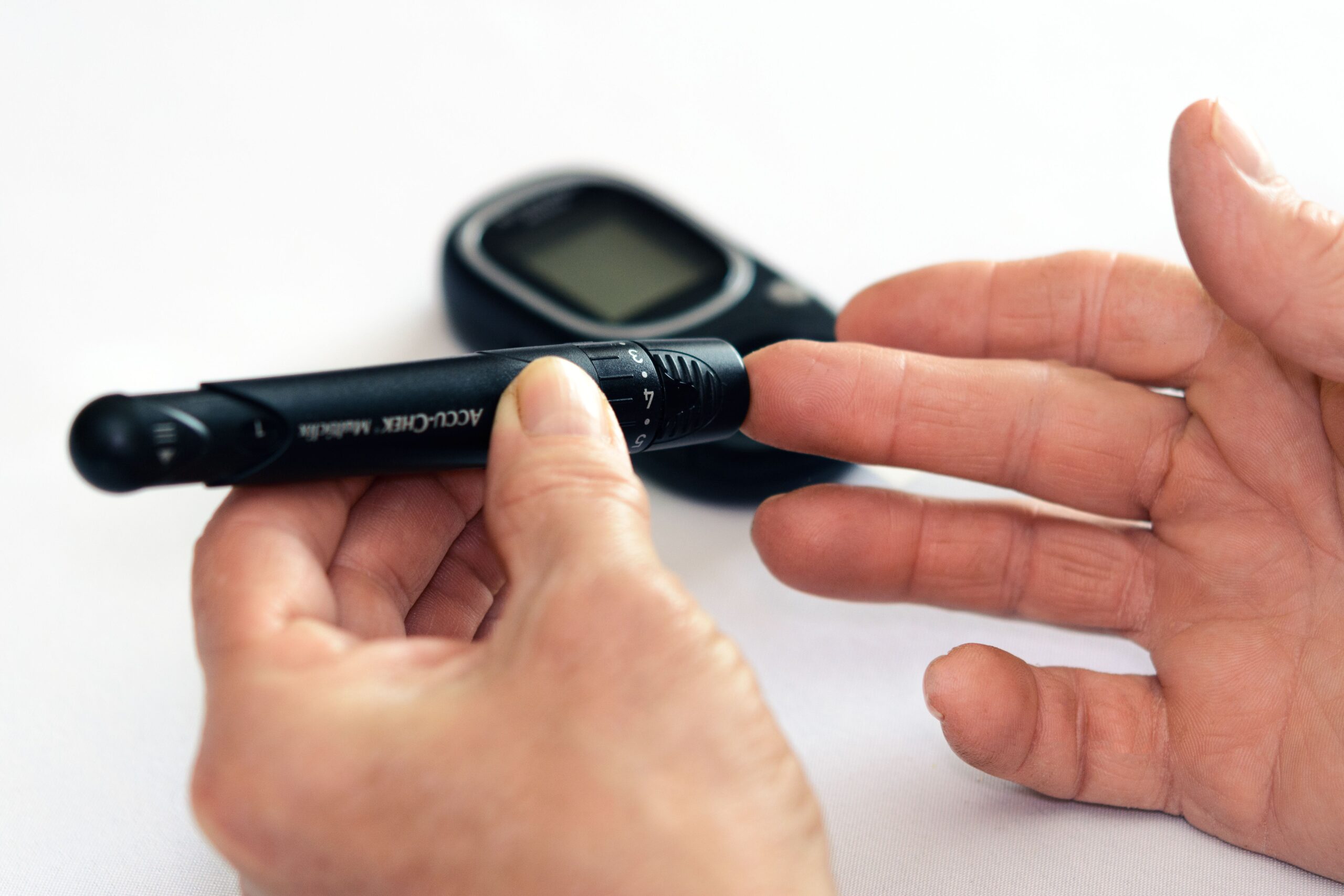
The only way to know whether cinnamon is lowering your blood sugar is to measure your blood sugar — before you start and consistently during. Here is a practical protocol based on what clinical trials monitored:
Before You Start
- Take your fasting glucose reading (first thing in the morning, before eating or drinking anything except water) for 5–7 consecutive days to establish a reliable baseline average
- Note your most recent HbA1c result if you have one — this gives you a longer-term baseline
- Record the date you start, the dose, and the product you are using
Weeks 1–4
- Take fasting glucose readings at least 3 times per week, at the same time each morning
- If you want to track post-meal effects, test 2 hours after a standard breakfast on the same 2 days each week
- Note any changes in energy, sugar cravings, or digestion — these are secondary signals
- Do not change your diet or exercise significantly during this period — isolate the variable
At 6 Weeks
- Compare your average fasting glucose over the past week to your baseline average
- A reduction of 5–10 mg/dL (0.3–0.6 mmol/L) or more is a meaningful signal that cinnamon is having an effect
- No change at 6 weeks does not mean stop — give it to 10–12 weeks before concluding it is not working
At 12 Weeks
- If your doctor ordered an HbA1c test around the 12-week mark, compare it to your pre-cinnamon result
- A reduction of 0.2–0.5 percentage points in HbA1c alongside consistent cinnamon use is a positive signal
- If fasting glucose has not changed meaningfully and HbA1c is unchanged, cinnamon is likely not the right tool for you
Cinnamon is one part of the natural blood sugar support picture. Our full guide to natural supplements for blood sugar covers berberine, magnesium, chromium, and more — with honest evidence ratings for each. If you are interested in a combined formula containing chromium and gymnema alongside other plant-based ingredients, some adults find these complement a cinnamon-based approach as part of a broader strategy.
For a deeper look at the Ceylon vs Cassia question and cinnamon’s overall evidence base, see our article on cinnamon and blood sugar.
📌 Affiliate link — we may earn a small commission if you purchase, at no extra cost to you.
- There are three timelines — post-meal glucose (days to weeks), fasting glucose (4–6 weeks), HbA1c (8–12+ weeks)
- The 4–6 week figure most cited refers to fasting blood glucose only — not HbA1c, which takes at least 3 months
- If you see no change after 8 weeks, check: are you using Ceylon cinnamon? At 1–3g daily? Consistently with meals?
- Adults over 55 should allow 8–10 weeks before assessing results, due to slower metabolic response
- Track fasting glucose at the same time each morning — this is your most practical home monitoring tool
- Cinnamon only shows benefit in people with elevated baseline blood sugar — if your glucose is already normal, don’t expect a change
- Always discuss with your doctor before starting if you are on diabetes medication or blood thinners
How Long Does It Take Cinnamon to Lower Blood Sugar — FAQs
How long does it take for cinnamon to lower blood sugar?
Post-meal glucose effects may be noticeable within the first week if you are taking cinnamon with meals. Fasting blood glucose changes typically appear within 4–6 weeks of consistent daily use at 1–3g of Ceylon cinnamon. HbA1c changes take at least 8–12 weeks and may require 3–4 months. If you see no change after 10–12 weeks of consistent correct use, cinnamon may not be effective for your specific situation.
Does a teaspoon of cinnamon a day lower blood sugar?
Possibly — but only if it is Ceylon cinnamon. One teaspoon of cinnamon powder is approximately 2.6g, which falls within the range used in positive clinical trials. However, most supermarket cinnamon is Cassia, not Ceylon, and at a full teaspoon daily, Cassia’s coumarin content approaches or exceeds safe limits with long-term use. Use Ceylon cinnamon specifically if you plan to take a teaspoon daily.
Can cinnamon lower blood sugar overnight?
Not in any significant way. Cinnamon works primarily through enzyme inhibition during digestion and gradual insulin sensitisation — neither of which produces overnight changes in fasting glucose. A single dose will not meaningfully lower your morning reading. Consistent daily use over weeks is what the evidence supports.
How much cinnamon do you need to lower blood sugar?
Clinical trials have used 1–6g of cinnamon daily, with most positive results at 1–3g. For adults over 55, starting at 1g daily (approximately half a teaspoon of Ceylon cinnamon powder or a measured capsule) and increasing to 2–3g after 2 weeks if tolerated is a practical approach. Amounts below 1g — typical of sprinkling cinnamon on food — are unlikely to produce measurable blood sugar effects.
What happens if you take cinnamon every day?
For most healthy adults, daily Ceylon cinnamon at 1–3g is well tolerated. Mild digestive adjustment in the first few days is possible. The main risk with daily cinnamon comes from using Cassia rather than Ceylon — Cassia’s high coumarin content can stress the liver with long-term daily use at therapeutic doses. Ceylon cinnamon has a much safer profile for daily supplementation. If you are on any medication, discuss with your doctor before taking cinnamon daily.
Is it better to take cinnamon in the morning or at night?
With meals is more important than timing of day. Cinnamon’s enzyme-inhibiting effects work during digestion, so taking it with or just before a carbohydrate-containing meal maximises its post-meal benefit. Many people find taking it with breakfast practical. Dividing the daily dose between two meals — breakfast and dinner — may produce more consistent blood sugar benefits throughout the day.