

Founder, HealthAfter55.com — Richard researches natural health strategies for adults over 55, with a focus on blood sugar, energy, and healthy ageing. He is not a medical professional. Always consult your doctor before making health changes.
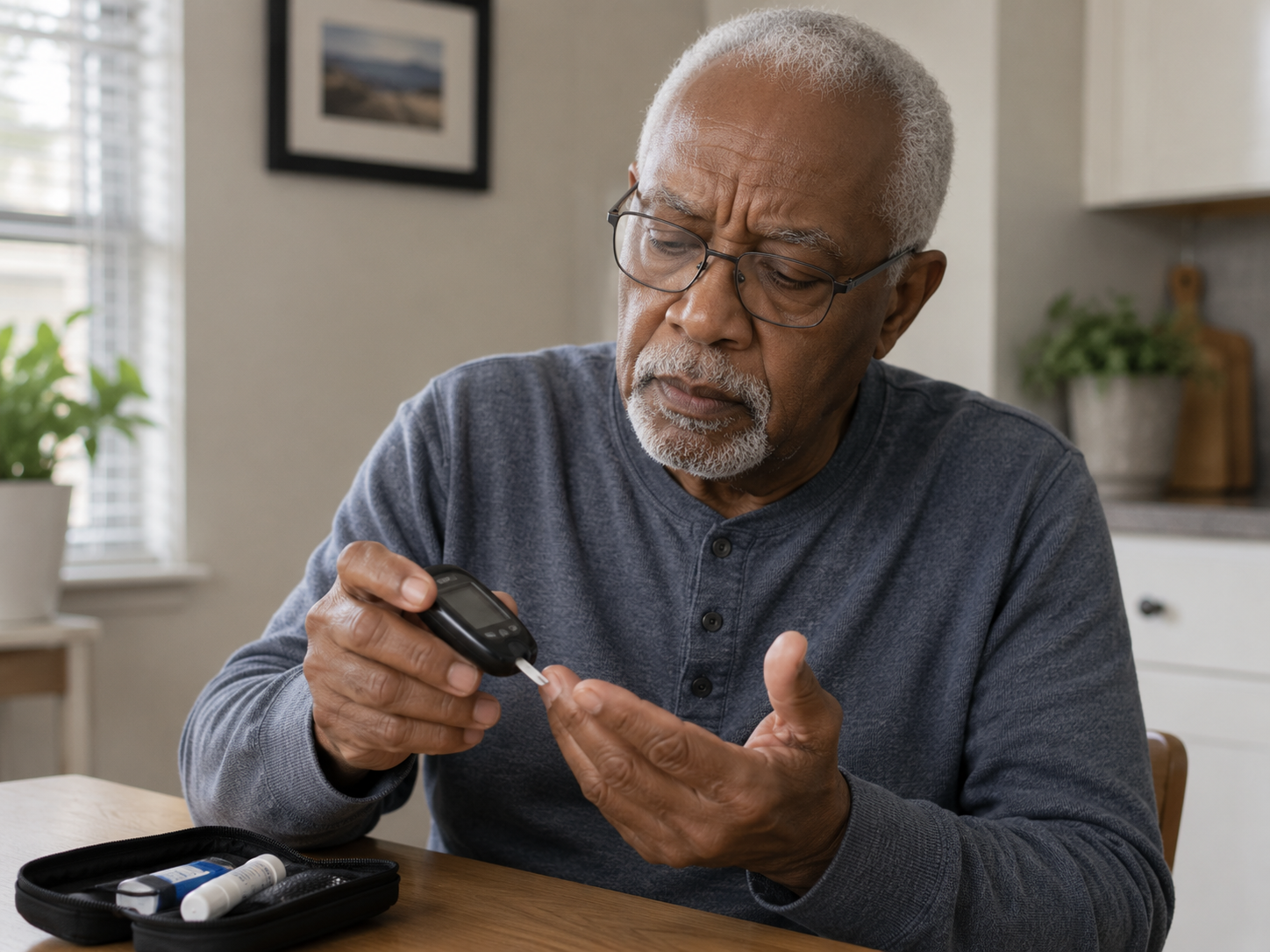
You have checked your blood sugar and the number is higher than it should be. Knowing what to do when blood sugar is high — and whether it needs immediate medical attention or home management — is one of the most practical things you can be clear on.
The first thing to establish is whether this is a “manage at home” situation or a “call someone now” situation. Those are two very different responses — and getting that distinction right matters far more than any specific remedy.
This article gives you both: a clear guide to when high blood sugar needs immediate medical attention, and practical steps for the more common situation of a reading that is elevated but not dangerous. It also covers some things that are specific to adults over 55 — because high blood sugar can look different, and be more quietly serious, in this age group than many people realise.
🗓️ Last reviewed and updated: June 2026
Call 000 (Australia) / 911 (US) or go to emergency immediately if: your blood sugar is above 15 mmol/L (270 mg/dL) and is not coming down, OR you have any of these alongside a high reading — vomiting, fruity-smelling breath, rapid or laboured breathing, confusion, or severe stomach pain. These are signs of a medical emergency that cannot be managed at home. Do not wait to see if it improves.
If your blood sugar is high but you feel reasonably well and have no emergency symptoms: drink water, go for a gentle 10–15 minute walk (if your reading is below 15 mmol/L / 250 mg/dL), avoid eating more carbohydrates until it comes down, and check your reading again in an hour. If you are on insulin or diabetes medication, follow your doctor’s sick-day plan. If you do not have one — ask your doctor for one. For most people with type 2 diabetes, a moderately elevated reading is manageable at home with these steps. The situation that needs immediate care is a very high reading with symptoms, or a reading that will not come down after your normal measures.
Get Our Free Guide: 7 Natural Ways to Support Healthy Blood Sugar After 55
Practical strategies for adults over 55 — what to do when blood sugar spikes and how to prevent it happening as often.
- What “High” Actually Means — Knowing Your Numbers
- Emergency Signs — When to Call for Help Immediately
- What to Do at Home When Blood Sugar Is High
- What Not to Do — Common Mistakes That Make It Worse
- Why Did It Spike? Common Causes After 55
- How High Blood Sugar Feels Different After 55
- When It Keeps Happening — What to Tell Your Doctor
- Frequently Asked Questions
What “High” Actually Means — Knowing Your Numbers
Before anything else: “high” is relative to your personal target range, which your doctor should have set with you. The numbers below are general reference points — your own doctor’s guidance takes priority.
| Below 7 mmol/L (126 mg/dL) fasting | Target range (for most) |
| 7–10 mmol/L (126–180 mg/dL) | Elevated — monitor, take action |
| 10–15 mmol/L (180–270 mg/dL) | Significantly high — act now, watch for symptoms |
| Above 15 mmol/L (270 mg/dL) or above 16.7 mmol/L (300 mg/dL) | Seek medical advice same day — emergency if symptoms present |
Targets for adults over 65 are deliberately set slightly higher by the ADA to reduce hypoglycaemia risk. Your doctor’s personal target for you is the right one to use — not a generic chart.
A reading that is higher than your target but lower than 15 mmol/L (270 mg/dL), with no concerning symptoms, is the situation this article primarily addresses. It is uncomfortable and worth acting on — but it is manageable at home for most people with type 2 diabetes.
Emergency Signs — When to Call for Help Immediately
Two serious conditions can develop when blood sugar stays very high for too long. Knowing the warning signs could save your life or the life of someone you live with.
DKA — diabetic ketoacidosis
DKA happens when the body has too little insulin and starts breaking down fat for energy, producing acidic compounds called ketones. It is more common in type 1 diabetes but can occur in type 2. The CDC states you should call 000/911 or go to emergency immediately if: your blood sugar stays at 300 mg/dL (16.7 mmol/L) or above, your breath smells fruity, you are vomiting and cannot keep fluids down, or you are having trouble breathing.
HHS — hyperosmolar hyperglycemic state
HHS is less well-known but particularly relevant for adults over 55 with type 2 diabetes — it is actually more common in this group than DKA. It develops more slowly, over days or weeks of sustained very high blood sugar, and causes severe dehydration as the body tries to flush excess glucose through urine. Symptoms include extreme thirst, very dark or reduced urine, confusion, weakness, and in serious cases, seizures or loss of consciousness. If you or someone you are with seems unusually confused or drowsy alongside a high blood sugar reading — even without the fruity breath of DKA — this needs emergency care.
- Blood sugar above 15 mmol/L (270 mg/dL) and not coming down
- Fruity or sweet-smelling breath
- Vomiting — even once
- Rapid, laboured, or unusual breathing
- Confusion, drowsiness, or difficulty staying alert
- Severe stomach pain
- Unable to keep water down
Do not try to manage these at home. Call 000 (Australia) / 911 (US) or have someone drive you to emergency. Do not drive yourself if you are confused or unwell.
What to Do at Home When Blood Sugar Is High
If your reading is elevated but below 15 mmol/L (270 mg/dL) and you feel reasonably well, here is what to do — in order of priority.
Step 1 — Take any prescribed medication as directed
If you are on insulin or a prescribed blood sugar medication and your doctor has given you a sick-day or high-reading plan, follow it now. This is the most effective single action available.
If you are on medication but do not have a specific plan for high readings — that conversation with your doctor is overdue. Ask at your next appointment: “What should I do if my blood sugar is X? What is my threshold for calling you?”
Step 2 — Drink water
Drink a large glass of plain water immediately. When blood sugar is high, the kidneys try to flush excess glucose out through urine — and they need adequate fluid to do this effectively. High blood sugar also causes dehydration directly, which in turn concentrates glucose in the blood and pushes the reading even higher. Drinking water addresses both of these mechanisms.
Aim for a glass every 30–60 minutes over the next few hours. Plain water, plain sparkling water, or unsweetened herbal tea. Not juice, not soft drink, not flavoured drinks — these will raise blood sugar further.

Step 3 — Go for a gentle walk (with one important condition)
A well-researched study in adults with type 2 diabetes (average age 60) confirmed that a 10-minute walk after meals significantly reduces blood sugar compared to sitting still. When muscles are active, they absorb glucose directly from the bloodstream — no insulin required.
The important condition: do not exercise if your blood sugar is above 15 mmol/L (250–270 mg/dL). At very high levels, your body may lack sufficient insulin to support muscle activity, which can cause the liver to release even more glucose — pushing blood sugar higher rather than lower.
A gentle stroll is appropriate for moderately elevated readings. For very high readings, water and rest come first.
Step 4 — Do not eat carbohydrates while it is elevated
If your blood sugar is elevated and it is not mealtime, do not eat — particularly anything containing carbohydrates. If you are hungry, a small amount of protein (a boiled egg, a handful of nuts, plain cheese) will not raise blood sugar significantly and avoids the glucose load of carbohydrate-containing food. If it is mealtime, skip or significantly reduce the starchy component of the meal and focus on protein and vegetables.
Step 5 — Check your reading again in an hour
After taking the steps above, check your blood sugar again in 60 minutes. Write down the result and the time. If it is coming down, continue with water and rest. If it is the same or higher after an hour, contact your doctor or diabetes nurse — do not keep waiting to see if it self-corrects.
What Not to Do — Common Mistakes That Make It Worse
Several common responses to a high reading can either make things worse or delay appropriate care.
Do not exercise vigorously if blood sugar is very high
As noted above — if your reading is above 15 mmol/L (250–270 mg/dL), exercise can raise blood sugar further by stimulating the liver to release more glucose. A gentle walk is fine for moderately elevated readings, but intense exercise at very high levels can make the situation worse, not better.
Do not try to “eat it down” with special foods
There is no food that lowers blood sugar fast enough to help in the hours after a high reading. Apple cider vinegar, cinnamon, and other commonly recommended natural remedies operate over days and weeks — not within an hour of a high reading. Eating anything containing carbohydrates when blood sugar is already elevated adds to the glucose load. Stick to water, rest, and gentle movement.
Do not wait too long to contact your doctor
A reading that has not improved after an hour of the steps above, or a reading above 15 mmol/L (270 mg/dL) even without symptoms, deserves a same-day phone call to your doctor or diabetes care team. Adults over 55 in particular should not sit on a high reading for hours — the risk of developing HHS increases with sustained high blood sugar, and the early stages feel unremarkable.
Do not take extra medication unless specifically directed to
Unless your doctor has given you explicit instructions to take an extra dose of insulin or medication when your reading is high, do not do it. Extra medication without guidance can cause blood sugar to drop too low — which creates its own dangerous situation. If you think you need a dose adjustment, call your doctor or diabetes nurse first.
Why Did It Spike? Common Causes After 55
Understanding why your blood sugar is high helps you respond appropriately and avoid it happening as often. The most common causes in adults over 55 are not always the obvious ones.
Food and drinks
A large starchy meal, a sugary drink, fruit juice, or a portion size larger than usual. These are the most common culprits and the easiest to identify if you tested within two hours of eating. Our guide to foods that spike blood sugar covers the specific foods that tend to catch people by surprise — including some that are marketed as “healthy.”
Illness or infection
This is one of the most commonly underappreciated causes. When you are sick — even with a mild cold, a urinary tract infection (very common after 55), or a chest infection — your body releases stress hormones as part of the immune response. Those hormones raise blood sugar directly, often significantly.
Your blood sugar can spike during illness even if you are eating very little. If you are unwell and your blood sugar is elevated, the illness is likely the primary cause — and treating the illness is the priority.
Stress
Emotional stress — a difficult conversation, a worrying medical appointment, financial pressure, grief — triggers the same stress hormones that cause blood sugar to rise during physical illness. If your reading is high on a day that has been particularly stressful and your diet has been normal, stress is a very plausible explanation.
Missed medication or changed timing
If you take medication for blood sugar and missed a dose, or took it at a different time than usual, this will often show up in your reading. Do not double up on missed doses without first checking your medication instructions or calling your pharmacist.
Other medications
Corticosteroids (like prednisolone, often prescribed for inflammation, allergies, or chest conditions), some blood pressure medications (thiazide diuretics), and certain other drugs can raise blood sugar independently. If your reading has gone up since starting a new medication, mention this connection to your doctor.
The dawn phenomenon
A high fasting reading first thing in the morning — when you have not eaten overnight — is often caused by the body’s natural morning hormone release rather than anything you ate or did. It is very common after 55 and does not usually require the same immediate response as a post-meal spike. See your doctor if your morning readings are consistently elevated — there are specific strategies for this pattern.
How High Blood Sugar Feels Different After 55
This is one of the most important things to understand — and one that most general articles completely miss.
In younger adults, high blood sugar tends to produce fairly recognisable symptoms: intense thirst, frequent urination, headache, blurred vision. After 55, these symptoms are often muted, delayed, or mistaken for something else entirely.
Fatigue that looks like normal tiredness
Feeling unusually tired is one of the most common effects of high blood sugar — but in adults over 55, tiredness is so commonly attributed to age that it often goes uninvestigated. If your energy has been particularly low and your blood sugar has been running high, the two are almost certainly connected. Knowing what to do when blood sugar is high persistently — including recognising fatigue as a symptom rather than just ageing — can make a real difference to how you feel day to day.
Confusion and cognitive fog
Elevated blood sugar impairs brain function. Mild confusion, difficulty concentrating, or a sense of cognitive fog can all be caused by high blood sugar. In older adults, these symptoms are dangerously easy to attribute to “just getting older” — but they can be a sign that blood sugar is running significantly elevated and needs attention. If someone in your household seems unusually confused and has diabetes, check their blood sugar.
Night-time urination and falls
When blood sugar is above roughly 10 mmol/L (180 mg/dL), the kidneys begin excreting glucose in urine, which draws extra water with it. This causes increased urination — often during the night. For adults over 55, frequent night-time urination disrupts sleep, increases fatigue the following day, and significantly raises the risk of falls. The American Diabetes Association’s clinical guidance on diabetes in older adults explicitly notes that sustained blood sugar above the renal threshold increases risks of dehydration, urinary incontinence, dizziness, and falls.
Thirst becomes less reliable
The thirst sensation naturally becomes less acute with age. Adults over 55 may be significantly dehydrated — and have elevated blood sugar partly as a result of that dehydration — without feeling particularly thirsty. Do not wait to feel thirsty before drinking water. Consistent hydration throughout the day, regardless of thirst, is one of the most important blood sugar management habits in this age group.
When It Keeps Happening — What to Tell Your Doctor
A single high reading is information. A pattern of high readings is a signal that something in your management plan needs reviewing. Here is how to make that doctor conversation as useful as possible.
Keep a simple log: date, time, reading, and one brief note about context (after a large meal, woke up fasting, had a stressful day, was unwell). Even two weeks of this data gives your doctor far more to work with than a verbal description. It shows patterns — readings consistently high in the morning, or after dinner specifically, or on days when you take a certain medication — that can change the clinical decision completely.
The things most worth flagging to your doctor:
- Consistently high fasting readings in the morning despite no late-night eating
- Readings that spike after specific meals or foods
- Readings that rose after starting a new medication
- Readings that have been gradually creeping upward over recent months
- Readings above your target range more than three or four times per week
For a broader understanding of what drives high readings and how lifestyle and natural approaches can help bring them down and keep them down, our guide to type 2 diabetes natural treatment after 55 covers the full picture. And our article on high blood sugar symptoms covers the signs to watch for — including the subtler ones that are easy to miss in this age group.
- If blood sugar is above 15 mmol/L (270 mg/dL) or you have symptoms like vomiting, fruity breath, confusion, or laboured breathing — this is a medical emergency. Call 000 / 911 or go to emergency now.
- For an elevated but non-emergency reading: take prescribed medication as directed, drink water, go for a gentle walk (only if below 15 mmol/L / 250 mg/dL), avoid carbohydrates, and check again in an hour.
- Do not exercise intensely when blood sugar is very high — at those levels, exercise can push it higher rather than lower.
- Illness is one of the most underappreciated causes of high blood sugar in adults over 55. Even a mild infection or UTI can spike readings significantly — treating the illness is the priority.
- After 55, symptoms of high blood sugar are easily mistaken for ageing: fatigue, mild confusion, night-time urination, and reduced thirst. A reading that does not match how you feel warrants checking.
- If high readings are happening regularly, keep a simple log (date, time, reading, context) and take it to your doctor. Patterns matter more than individual numbers.
- Ask your doctor for a sick-day plan — a written guide for what to do when your reading is high, at what level to call them, and what symptoms require emergency care. This is standard care and you should have one.
Get Our Free Guide: 7 Natural Ways to Support Healthy Blood Sugar After 55
Join adults over 55 receiving our free weekly blood sugar guide — practical strategies that help prevent high readings happening as often.
What to Do When Blood Sugar Is High — Frequently Asked Questions
How long does it take for high blood sugar to come down on its own?
Without specific action, a mildly elevated post-meal blood sugar in someone with well-managed type 2 diabetes may return to target range within 2–4 hours. With water, gentle movement, and avoiding further carbohydrates, this can be reduced. If blood sugar is significantly elevated or has not returned to your target range within a few hours despite these measures, contact your doctor or diabetes care team.
Should I go to the hospital if my blood sugar is 15 mmol/L (270 mg/dL)?
Not necessarily immediately — but you should not sit on it. A reading at this level without any symptoms warrants a same-day call to your doctor or diabetes nurse.
If you have any symptoms alongside it (vomiting, fruity breath, confusion, breathing difficulty), go to emergency immediately without waiting. If you cannot reach your doctor and the reading will not come down, go to emergency. Do not wait overnight.
My blood sugar is high but I feel fine — do I still need to do something?
Yes. Feeling fine does not mean the elevation is harmless. High blood sugar is doing damage to blood vessels even when it produces no noticeable symptoms — which is partly why it is so insidious.
In adults over 55 particularly, the symptoms of high blood sugar are often very subtle and easy to attribute to other things. Take the practical steps described in this article and check your reading again in an hour. If it remains elevated, contact your care team.
Can drinking water bring blood sugar down quickly?
Water does not lower blood sugar directly the way insulin does — but it helps the kidneys flush excess glucose more efficiently and corrects dehydration that can be inflating your reading. It is one of the most immediately accessible and sensible actions when blood sugar is elevated. Drink a large glass now and continue drinking regularly over the next few hours. It will not produce a dramatic drop in an hour, but it removes a common contributing factor and supports the body’s own glucose regulation.
My blood sugar keeps going high after dinner specifically — what does that mean?
Consistently elevated post-dinner readings usually indicate one of three things: the evening meal contains more carbohydrates than your body is managing well, you are sitting still for the rest of the night after eating (the evening is when most people have the least post-meal movement), or your medication timing is not optimal for your evening meal. A 10-minute walk after dinner directly addresses the second of these and is often enough to significantly improve evening readings. For the first and third, a conversation with your doctor or a diabetes dietitian is worthwhile.