

Founder, HealthAfter55.com — Richard researches natural health strategies for adults over 55, with a focus on blood sugar, energy, and healthy ageing. He is not a medical professional. Always consult your doctor before making health changes.

If you have been told your blood sugar is a little high — or you have been researching what an insulin resistance diet actually looks like in practice — this article gives you a clear, honest answer. Not a rigid list of rules. Not a complicated eating plan that assumes you have hours to spend in the kitchen. A practical framework that works with real life after 55.
Most insulin resistance diet articles make two mistakes. They focus almost entirely on what to avoid, leaving you with a list of foods you can no longer eat and no clear picture of what to put in their place. And they ignore the specific dietary needs of adults over 55 — particularly the fact that older adults need significantly more protein than standard guidelines suggest, and that getting this right is one of the most important and most overlooked dietary strategies for improving insulin sensitivity after 55.
This guide covers both: what to reduce, and what to build your meals around instead — with the evidence behind each recommendation.
🗓️ Last reviewed and updated: June 2026
An insulin resistance diet is not a single named diet — it is a way of eating that reduces large, rapid blood sugar spikes while supporting the muscle mass that absorbs blood sugar from the bloodstream. The most evidence-backed approach for adults over 55 combines: reducing refined carbohydrates and sugary foods, eating more protein than you probably currently do, prioritising fibre-rich vegetables, and choosing fats from olive oil, oily fish, and nuts. The Mediterranean diet pattern has the strongest overall evidence base. You do not need to count calories or eliminate entire food groups.
Get Our Free Guide: 7 Natural Ways to Help Support Healthy Blood Sugar After 55
Practical, research-backed dietary and lifestyle strategies for adults over 55 — delivered straight to your inbox. Honest, plain English, no fluff.
- How Diet Affects Insulin Resistance
- What to Reduce: Foods That Worsen Insulin Resistance
- What to Eat: Foods That Support Insulin Sensitivity
- The Protein Priority: Why Adults Over 55 Need More Than They Think
- The Best Diet Pattern for Insulin Resistance After 55
- A Simple Meal Framework You Can Use Tomorrow
- What Helps Beyond Diet
- Frequently Asked Questions
How an Insulin Resistance Diet Actually Works
To understand why certain foods help and others harm, it helps to know what is happening in your body when you eat.
Every time you eat carbohydrates, your blood sugar rises. Your pancreas releases insulin to move that sugar out of the bloodstream and into your cells — primarily your muscle cells, which are your body’s main glucose-absorbing tissue. In insulin resistance, your cells respond poorly to insulin’s signal. Sugar stays in the bloodstream longer than it should. Your pancreas tries to compensate by releasing more insulin. Over time, this cycle strains the pancreas and pushes blood sugar progressively higher.
An insulin resistance diet works by reducing the size and speed of blood sugar spikes after meals — giving your pancreas less work to do and reducing the burden on your cells to respond. It also works by supporting the muscle tissue that absorbs blood sugar, and by reducing the abdominal fat that actively worsens insulin resistance by producing inflammatory compounds.
After 55, two things make dietary choices more important than at any earlier point. First, declining muscle mass means your body has less capacity to absorb blood sugar after meals. Second, your pancreas may be working less efficiently than it did at 40 or 50. The food you eat has a more direct and more immediate effect on blood sugar than it did twenty years ago.
Insulin Resistance Diet: What to Reduce
Reducing does not mean eliminating. The foods below are worth eating less often and in smaller portions — not never. That distinction matters for long-term sustainability, particularly after 55 when rigid dietary rules tend to create more problems than they solve.
Refined carbohydrates
Refined carbohydrates are starches that have been processed to remove most of their fibre and nutrients — white bread, white rice, white pasta, most breakfast cereals, crackers, pastries, and many packaged snack foods. They digest very quickly, causing large, rapid blood sugar spikes that demand a large insulin response. Over years of repeated large spikes, this demand worsens insulin resistance.
A 2025 meta-analysis of randomised controlled trials found that adults without diabetes who ate lower glycaemic index diets — meaning diets with foods that cause slower, smaller blood sugar rises — had significantly lower insulin resistance compared to those eating high glycaemic index diets. This effect was present even in people without diabetes, which directly applies to adults with borderline blood sugar or prediabetes.
The glycaemic index is simply a measure of how fast a food raises blood sugar. White bread has a high glycaemic index — it raises blood sugar rapidly. Sweet potato has a medium glycaemic index — it raises blood sugar more slowly. Lentils have a low glycaemic index — they raise blood sugar slowly and modestly. You do not need to memorise a table of numbers. The practical rule is: the more processed a carbohydrate, the faster it spikes blood sugar.
Added sugar and sugary drinks
Sugary drinks — soft drinks, fruit juices, flavoured milks, sports drinks, sweetened teas and coffees — are the most concentrated source of rapidly absorbed sugar in most people’s diets. Liquid sugar bypasses the normal digestive slowing effect of solid food and enters the bloodstream almost immediately. A single 375 ml can of cola contains about 10 teaspoons of sugar. For adults with insulin resistance, liquid sugar is worth treating as the highest priority reduction.
Added sugar in packaged foods — sauces, condiments, flavoured yoghurts, cereals, muesli bars — is worth checking labels for. Ingredients are listed by weight, so sugar appearing in the first three to four ingredients means it is a significant component. Look for names that indicate sugar: sucrose, glucose, fructose, corn syrup, maltose, dextrose.
Ultra-processed foods
Ultra-processed foods — packaged snacks, fast food, ready meals, processed meats, most commercial baked goods — typically combine refined carbohydrates with unhealthy fats, added sugar, salt, and additives that make them easy to overeat. Regular consumption is associated with increased visceral fat (the fat around your internal organs), worsened insulin resistance, and greater cardiovascular risk. They are worth reducing not because any single ingredient is harmful in isolation, but because their overall pattern of eating displaces more beneficial foods and encourages overeating.
Alcohol
Alcohol affects blood sugar in a complex way — it can cause blood sugar to rise acutely (particularly beer and sweet wines) and then fall later, disrupting overnight glucose regulation. It also contributes to visceral fat accumulation with regular use and interferes with sleep quality, which independently worsens insulin sensitivity. For adults with insulin resistance, reducing alcohol to no more than one to two standard drinks on occasions — rather than daily — is worth discussing with your doctor.
Insulin Resistance Diet: What to Eat
This section is more important than the previous one. What you add to your diet matters as much as what you reduce — and for most adults, focusing on building better meals is more sustainable than focusing on foods to avoid.
Non-starchy vegetables
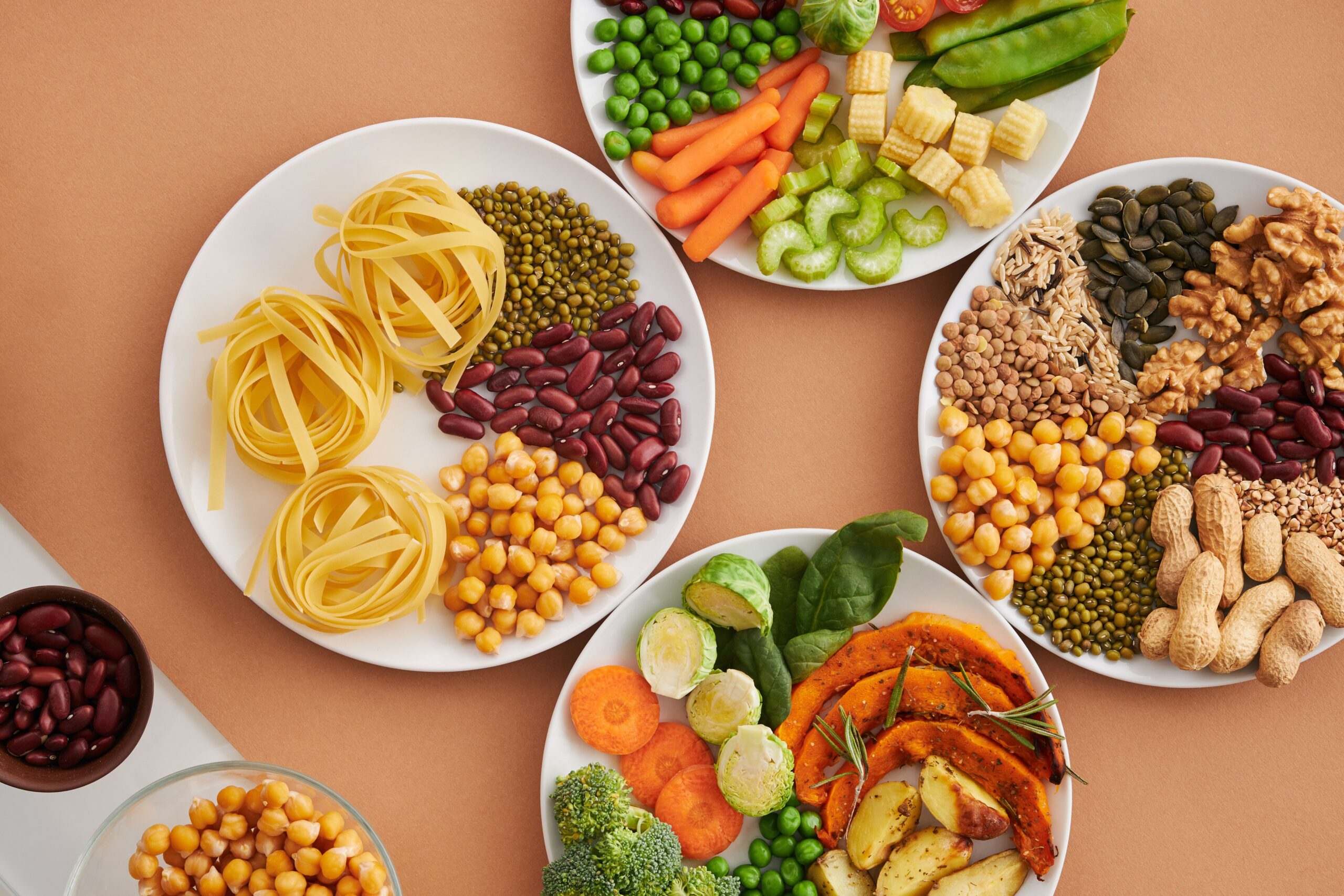
Non-starchy vegetables — leafy greens, broccoli, cauliflower, zucchini, capsicum, asparagus, cucumber, tomato, mushrooms, onion — are the most consistently evidence-backed dietary choice for insulin resistance. They are rich in fibre, which slows glucose absorption and smooths out blood sugar spikes after meals. They are also high in antioxidants and anti-inflammatory compounds that directly support insulin signalling at the cellular level. They are low in calories and high in volume, meaning they help you feel full without creating a large blood sugar response.
The practical target is filling half your plate at every meal with these vegetables. This single change — without eliminating anything else — meaningfully reduces post-meal blood sugar responses.
Legumes
Lentils, chickpeas, kidney beans, black beans, and other legumes are among the most underused foods in the Western diet — and among the most valuable for insulin resistance. They combine protein, fibre, and complex carbohydrates in a structure that digests slowly, producing some of the lowest blood sugar responses of any carbohydrate-containing food. Research consistently associates regular legume consumption with improved insulin sensitivity and lower risk of type 2 diabetes. They are also inexpensive and versatile — added to soups, salads, curries, or used as a side in place of rice or pasta.
Oily fish
Salmon, sardines, mackerel, herring, and trout are rich in omega-3 fatty acids — a type of healthy fat with well-documented anti-inflammatory effects. Chronic inflammation is one of the key drivers of insulin resistance, particularly in adults over 55. Regular consumption of oily fish — two to three servings per week — is associated with reduced inflammation markers and improved insulin sensitivity. Canned sardines and canned salmon are cost-effective options if fresh fish is not practical.
Olive oil
Extra virgin olive oil is the cornerstone fat of the Mediterranean diet — the dietary pattern with the strongest evidence for insulin resistance and blood sugar management. Its primary fat (oleic acid) is associated with improved insulin sensitivity, and it contains polyphenols (plant compounds with antioxidant and anti-inflammatory properties) that directly support metabolic health. Use it as your main cooking oil and for salad dressings, replacing seed oils (sunflower, canola, vegetable blend) and margarine where possible.
Nuts and seeds
Almonds, walnuts, pistachios, sunflower seeds, and chia seeds are rich in healthy fats, protein, and fibre. A small handful of nuts as a snack — instead of crackers, biscuits, or processed snack foods — stabilises blood sugar between meals rather than spiking it. Walnuts specifically are among the richest plant sources of omega-3 fatty acids. A small portion (around 30 g, or a small handful) is the appropriate serving — nuts are calorie-dense.
Whole grains and complex carbohydrates
Replacing refined carbohydrates with whole grain versions — brown rice instead of white, wholegrain bread instead of white, oats instead of processed cereals, sweet potato instead of white potato — is one of the most practical dietary shifts for insulin resistance. Whole grains retain their fibre, which slows glucose absorption and produces a gentler blood sugar response. They also contain vitamins and minerals that support metabolic function. You do not need to avoid carbohydrates — you need to choose ones that digest more slowly.
The Protein Priority: Why the Insulin Resistance Diet After 55 Needs More Protein
This is the most important section of this article — and the one most insulin resistance diet guides skip entirely.
Muscle is your primary glucose disposal site. When you eat and blood sugar rises, it is primarily your muscles that pull that sugar out of the bloodstream. After 55, you are losing muscle mass at an accelerating rate — a process that directly reduces your body’s capacity to manage blood sugar. Dietary protein is the main nutritional tool for preserving and rebuilding muscle tissue.
A 2025 clinical study of adults aged 60–75 found that those on higher protein intake (1.2 g per kg of body weight per day) showed significantly greater improvements in muscle composition and reduced fat infiltration in muscle tissue — including the type of fat that is directly linked to insulin resistance and poor metabolic outcomes in older adults — compared to those on standard protein intake (0.8 g/kg/day).
The standard protein recommendation (0.8 g per kg of body weight per day) was designed to prevent deficiency — not to optimise muscle health in older adults. Most nutrition experts now recommend that adults over 55 aim for 1.2–1.6 g of protein per kg of body weight per day. For a 70 kg (154 lb) adult, that means roughly 84–112 g of protein daily — significantly more than the standard recommendation of 56 g.
Best protein sources for adults over 55
| Protein Source | Approximate Protein | Additional Benefit |
|---|---|---|
| Salmon (150g serve) | ~30g | Omega-3 fatty acids, anti-inflammatory |
| Chicken breast (150g serve) | ~45g | Lean, low saturated fat |
| Greek yoghurt (200g) | ~18g | Calcium, probiotics, convenient |
| Eggs (2 large) | ~12g | Complete protein, affordable |
| Lentils (200g cooked) | ~18g | High fibre, low glycaemic index |
| Cottage cheese (200g) | ~24g | Versatile, low fat option |
| Sardines, canned (100g) | ~25g | Omega-3, calcium (bones), affordable |
The Best Diet Pattern for Insulin Resistance After 55
Rather than naming a specific list of foods, most dietary research now looks at overall eating patterns — the combination of foods eaten regularly over time. For insulin resistance in adults over 55, the evidence consistently points to one pattern as having the strongest overall foundation.
The Mediterranean diet — the most evidence-backed overall pattern
A 2025 updated systematic review and meta-analysis covering 991,878 participants and 68,325 type 2 diabetes cases found that higher adherence to the Mediterranean diet was associated with a significant reduction in type 2 diabetes risk — with each 2-point increase in Mediterranean diet score corresponding to an 8% reduction in risk. This is among the largest and most comprehensive dietary analyses conducted for this outcome.
The Mediterranean diet is not a strict set of rules. It is a pattern of eating built around: plenty of vegetables and legumes, olive oil as the primary fat, fish two to three times per week, moderate amounts of whole grains, nuts, and fruit, modest amounts of dairy and poultry, and limited red meat and processed food. It is practical, varied, and — unlike many elimination-style diets — sustainable over the long term.
It is also well suited to the 55+ lifestyle: it does not require cooking complicated recipes, the ingredients are available at any supermarket, and the pattern accommodates social eating without requiring you to sit out of shared meals.
Lower carbohydrate approaches
Reducing carbohydrate intake — not necessarily going very low carb, but meaningfully cutting refined carbohydrates and processed starches — is the dietary change with the most consistent short-term evidence for blood sugar improvement. A comprehensive overview of meta-analyses on low-carbohydrate diets found significant reductions in HbA1c and fasting blood glucose, with the strongest effects in the first three months.
For most adults over 55, a moderate reduction in refined carbohydrates — replacing white bread with wholegrain, replacing white rice with brown rice or legumes, cutting sugary drinks and processed snacks — is more sustainable than strict carbohydrate counting and produces meaningful metabolic improvements without requiring calorie restriction.
What about apple cider vinegar?
Apple cider vinegar has attracted significant interest for blood sugar management. A 2025 meta-analysis of controlled trials found that apple cider vinegar significantly reduced fasting blood sugar in adults with type 2 diabetes, with the effect increasing with higher doses. The mechanism appears to be acetic acid — the compound that gives vinegar its sharp taste — slowing stomach emptying, which reduces the speed at which glucose enters the bloodstream after meals.
The honest picture: the evidence is promising but still limited — most studies are short-term and small. Apple cider vinegar is not a replacement for dietary changes. But 1–2 tablespoons diluted in water before or during meals is a low-risk addition for adults who want to try it. Never drink it undiluted — it is acidic enough to damage tooth enamel and irritate the throat. And discuss with your doctor if you take any medication, particularly for diabetes or blood pressure.
A Simple Insulin Resistance Diet Meal Framework You Can Use Tomorrow
Rather than a rigid meal plan, here is a practical framework that applies to any meal. It does not require calorie counting, special ingredients, or complicated cooking.
- Half the plate — non-starchy vegetables. Salad, steamed broccoli, roasted capsicum, stir-fried greens, tomatoes, mushrooms, courgette. Whatever you like and will actually eat.
- A quarter of the plate — quality protein. A palm-sized serve of fish, chicken, eggs, legumes, Greek yoghurt, cottage cheese, or tofu. This is the section most adults over 55 under-fill.
- A quarter of the plate — complex carbohydrate. Brown rice, sweet potato, wholegrain bread, oats, lentils, or chickpeas. Smaller portion than you may be used to. Whole grain, not refined.
- Drizzle of healthy fat. Olive oil on vegetables, a small handful of nuts, half an avocado, or oily fish providing the fat component naturally.
Sample day of eating
| Meal | Example | Why it works |
|---|---|---|
| Breakfast | 2 eggs scrambled, handful of spinach, slice of wholegrain toast, small tub of Greek yoghurt | High protein start reduces post-breakfast spike; fibre from spinach and wholegrains slows absorption |
| Morning snack | Small handful of almonds and an apple | Healthy fat and protein from nuts slows the blood sugar effect of fruit |
| Lunch | Large salad with canned salmon, chickpeas, cucumber, tomato, olive oil and lemon dressing | Omega-3 from salmon, fibre and protein from chickpeas, minimal high-GI carbohydrate |
| Afternoon snack | Cottage cheese with cucumber sticks | Protein-focused snack with no significant blood sugar response |
| Dinner | Baked chicken breast, roasted broccoli and capsicum with olive oil, small serve of brown rice or lentils | Plate method in practice — half vegetables, quarter protein, quarter complex carb |
What Helps Beyond the Insulin Resistance Diet
Diet is the most powerful dietary lever — but it works best alongside a few other changes that directly address the biological reasons insulin resistance worsens after 55.
Resistance training — using weights, resistance bands, or your own body weight — builds and maintains the muscle tissue that absorbs blood sugar. It also makes existing muscle cells more sensitive to insulin. A 2025 meta-analysis of 43 randomised controlled trials in adults over 50 found significant improvements in blood sugar, insulin sensitivity, and muscle mass from three resistance sessions per week. Diet improves what you eat; resistance training improves what your body does with it.
Sleep quality has a direct and measurable effect on insulin sensitivity — even a single night of poor sleep can increase next-day blood sugar. Adults over 55 are more likely to have disrupted sleep, and this contributes to insulin resistance independently of diet. Prioritising 7–9 hours of consistent sleep is a genuine metabolic intervention, not just a wellness suggestion.
For more on the full picture of how to address insulin resistance naturally, including the exercise and sleep evidence in detail, our guide to what is insulin resistance and how to reverse it naturally covers the complete framework for adults over 55.
- An insulin resistance diet reduces large blood sugar spikes by choosing foods that digest slowly, while supporting the muscle tissue that absorbs blood sugar from the bloodstream.
- The most important reductions: refined carbohydrates (white bread, white rice, processed cereals), sugary drinks, and ultra-processed foods.
- The most important additions: non-starchy vegetables (half the plate), quality protein at every meal, oily fish two to three times weekly, legumes, and olive oil as the primary fat.
- Adults over 55 need significantly more protein than standard guidelines — around 1.2–1.6 g per kg of body weight daily — to preserve the muscle mass that is critical for blood sugar management.
- The Mediterranean diet has the strongest overall evidence base — a 2025 meta-analysis of nearly one million participants found meaningful risk reduction for type 2 diabetes with higher adherence.
- A 10–15 minute walk after meals directly reduces post-meal blood sugar and costs nothing.
- Diet works best alongside resistance training and good sleep — both of which directly improve insulin sensitivity through mechanisms diet alone cannot replicate.
Get Our Free Guide: 7 Natural Ways to Help Support Healthy Blood Sugar After 55
A practical guide to the dietary and lifestyle strategies with the strongest evidence for improving insulin resistance after 55 — including a simple meal framework you can start using this week. Delivered straight to your inbox.
Frequently Asked Questions
What is the best diet for insulin resistance?
The Mediterranean diet has the strongest overall evidence base for reducing insulin resistance and lowering the risk of type 2 diabetes. It is built around vegetables, legumes, fish, olive oil, whole grains, and nuts — with limited refined carbohydrates, processed foods, and red meat. For adults over 55 specifically, the Mediterranean pattern works best when protein is increased beyond standard guidelines to support the muscle mass that declines with age and drives much of the insulin resistance that develops after 55.
What foods should I avoid with insulin resistance?
The most important reductions are refined carbohydrates (white bread, white rice, pastries, most breakfast cereals), sugary drinks (soft drinks, fruit juice, flavoured coffees), and ultra-processed foods. These cause large, rapid blood sugar spikes that worsen insulin resistance over time. You do not need to eliminate these foods entirely — reducing how often and how much you eat them makes a meaningful difference.
Can I eat fruit with insulin resistance?
Yes — whole fruit is generally fine in moderate amounts for most adults with insulin resistance. The fibre in whole fruit slows glucose absorption significantly compared to fruit juice, which removes the fibre and concentrates the sugar. Lower-sugar fruits — berries, apples, pears, citrus — are better choices than very sweet tropical fruits like mango, pineapple, and watermelon. Eating fruit with a protein source (Greek yoghurt, a handful of nuts) further smooths the blood sugar response.
Is a low-carb diet necessary for insulin resistance?
Not necessarily. A moderate reduction in refined carbohydrates — not a strict low-carb or ketogenic approach — is what the evidence most consistently supports, particularly for long-term sustainability. Replacing refined carbohydrates with whole grains, legumes, and vegetables produces meaningful blood sugar improvements without requiring the elimination of all carbohydrates. Very low-carb diets can produce faster initial results but are harder to maintain and should be discussed with your doctor, particularly if you are on diabetes medication.
How long does it take for diet to improve insulin resistance?
Meaningful improvements in fasting blood sugar can appear within 4–8 weeks of consistent dietary changes. HbA1c — the blood test that reflects your average blood sugar over the past 3 months — takes at least 3 months to show change. Most adults with prediabetes who make sustained dietary changes alongside some increase in physical activity see meaningful HbA1c improvements within 3–6 months.
What should I drink with insulin resistance?
Water is the best drink. Sparkling water with lemon or lime is a good alternative if you are used to soft drinks. Unsweetened green tea and black coffee in moderate amounts are associated with improved insulin sensitivity in some research. Avoid sugary drinks entirely — including fruit juice and sweetened teas and coffees. If you add milk to coffee or tea, full-fat milk in small amounts is less likely to spike blood sugar than low-fat milk, which has a higher proportion of lactose (milk sugar) per serve.
For a broader look at the specific symptoms that indicate insulin resistance and when to see a doctor, our article on insulin resistance symptoms covers the warning signs in detail for adults over 55. If you want a more detailed breakdown of specific foods that help lower blood sugar, our guide to foods that lower blood sugar naturally after 55 goes deeper on the individual food evidence.