

Founder, HealthAfter55.com — Richard researches natural health strategies for adults over 55, with a focus on blood sugar, energy, and healthy ageing. He is not a medical professional. Always consult your doctor before making health changes.

If you have searched for information on berberine for weight loss, you have probably seen confident claims about dramatic results — “nature’s Ozempic,” significant fat loss, waistlines shrinking. Some of that enthusiasm is based on real research. Some of it is not. And almost none of the articles you will find address what matters most if you are over 55: why weight management becomes harder with age, what berberine’s evidence actually shows for body composition versus just body weight, and what the research limitations mean for you specifically.
Here is the honest picture: berberine does have meaningful clinical evidence for reducing waist circumference and BMI. The evidence for total body weight reduction is more modest and inconsistent across studies. And the mechanisms behind berberine’s metabolic effects — particularly AMPK activation — become increasingly relevant as we age, because the very metabolic pathways berberine targets are the ones that decline most significantly after 55.
This article covers what the research actually shows, what it does not show, why the 55+ metabolic context changes the picture, and what realistic expectations look like.
🗓️ Last reviewed and updated: June 2026
Berberine for weight loss shows consistent evidence for reducing waist circumference and BMI in clinical trials, with more mixed results for total body weight. Some meta-analyses report average body weight reductions of around 2 kg over 8–12 weeks; others find no statistically significant body weight change. For adults over 55, the more significant benefit may be berberine’s effect on visceral fat and insulin resistance, both of which drive the metabolic weight gain that becomes harder to address with diet and exercise alone after 55. It is a support tool, not a standalone weight loss solution.
Want More Natural Blood Sugar Tips?
Join thousands of adults over 55 who receive our free weekly blood sugar guide — practical tips, honest research, and no fluff. Ever.
- Why Weight Management Gets Harder After 55
- How Berberine May Support Weight Management
- Berberine for Weight Loss: What the Research Actually Shows
- The Visceral Fat Finding: Why This Matters Most After 55
- Realistic Expectations: What Berberine Can and Cannot Do
- How to Use Berberine for Weight Loss: Dosing and Timing
- Safety and Interactions for Adults Over 55
- Frequently Asked Questions
Why Weight Management Gets Harder After 55 — And Why Berberine Is Relevant
Understanding why berberine for weight loss is particularly interesting for older adults requires understanding what actually changes metabolically after 55. The popular idea of a sudden “metabolic slowdown” at a specific age is not quite accurate — but the underlying changes are real.
Muscle loss and reduced metabolic rate
Sarcopenia — the progressive loss of lean muscle mass — typically accelerates after age 60. Research published in the American Journal of Clinical Nutrition has found that adults can lose 3–8% of their muscle mass per decade after age 30, with the rate increasing significantly after 60. Since muscle tissue burns more calories at rest than fat tissue, this loss quietly reduces the body’s daily energy expenditure — making it easier to gain weight even when diet and activity levels have not changed.
Hormonal shifts and visceral fat accumulation
After 55, declining oestrogen in women and declining testosterone in men both contribute to a shift in fat distribution — away from subcutaneous fat (just under the skin) toward visceral fat (around the internal organs). Visceral fat is metabolically active in a harmful way: it releases inflammatory compounds and contributes directly to insulin resistance. This is the type of fat most associated with elevated blood sugar, cardiovascular risk, and the difficulty of shifting weight through diet alone.
Increasing insulin resistance
As insulin sensitivity declines with age, the body becomes less efficient at using glucose for energy — and more prone to storing it as fat, particularly visceral fat. This creates a self-reinforcing cycle: more visceral fat increases inflammation, which worsens insulin resistance, which promotes more fat storage.
How Berberine May Support Weight Management
Berberine supports weight management through several interconnected mechanisms — not a single direct fat-burning pathway. Understanding these helps set realistic expectations about what the supplement can and cannot do.
AMPK activation — the metabolic master switch
Berberine activates AMPK (adenosine monophosphate-activated protein kinase), an enzyme that functions as the body’s energy sensor. When AMPK is activated, it shifts the body’s metabolism toward burning fat and glucose for energy rather than storing them. It increases glucose uptake in muscle cells, enhances fatty acid oxidation (the burning of stored fat for fuel), and suppresses the production of new fat cells. This is the same mechanism shared with metformin — and the reason berberine has attracted attention as a metabolic support compound.
Improved insulin sensitivity
By improving how efficiently cells respond to insulin, berberine helps reduce the amount of glucose that gets converted to and stored as fat. Better insulin sensitivity means less visceral fat accumulation over time — which is particularly relevant for adults over 55 whose insulin resistance has been increasing gradually for years.
Reduced inflammation
Berberine has documented anti-inflammatory effects — reducing C-reactive protein (CRP), a key marker of systemic inflammation. Chronic low-grade inflammation is closely linked to visceral fat accumulation and insulin resistance. By reducing inflammation, berberine may help interrupt the cycle that drives metabolic weight gain in older adults.
Gut microbiome modulation
Emerging research suggests berberine alters gut microbiota composition in ways associated with improved metabolic function. This may partly explain why berberine’s effects on weight and blood sugar sometimes exceed what its low oral bioavailability would predict — its impact on gut bacteria may generate systemic metabolic benefits even when blood concentrations are modest.
Berberine for Weight Loss: What the Research Actually Shows
Here is where honesty matters most — because the evidence is genuinely mixed, and most articles on berberine for weight loss do not acknowledge that.
What meta-analyses consistently find
A meta-analysis of 12 randomised controlled trials found that berberine supplementation produced statistically significant reductions in body weight (average −2.07 kg), BMI (−0.47 kg/m²), and waist circumference (−1.08 cm) compared to placebo. It also significantly reduced C-reactive protein, a marker of systemic inflammation.
A 2025 meta-analysis of randomised placebo-controlled trials in adults with metabolic syndrome found significant reductions in waist circumference (−3.27 cm), BMI, LDL cholesterol, total cholesterol, triglycerides, and fasting blood glucose — a broad set of metabolic improvements.
Where the evidence is inconsistent
Not all meta-analyses agree. A separate dose-response meta-analysis of 10 studies found significant reductions in BMI and waist circumference but no statistically significant decline in total body weight. This inconsistency across meta-analyses reflects genuine variability in the underlying studies — different doses, durations, populations, and what participants were doing alongside supplementation.
The honest summary: berberine’s effects on waist circumference and BMI are more consistent across studies than its effects on total body weight. This distinction matters — waist circumference is a better predictor of metabolic health risk than overall weight, and the visceral fat reduction implied by waist circumference changes is arguably more meaningful for adults over 55 than a number on the scale.
The Visceral Fat Finding: Why This Matters Most After 55
This is the section that most berberine for weight loss articles miss — and it is the most relevant finding for adults over 55.
The weight that accumulates most problematically after 55 is not the weight you can pinch on your arms. It is the visceral fat that settles around your abdominal organs — your liver, intestines, and kidneys. Visceral fat cannot be seen from the outside; it is measured indirectly through waist circumference. And it is visceral fat — not subcutaneous fat — that most strongly predicts cardiovascular risk, insulin resistance, and metabolic dysfunction.
Across multiple meta-analyses, berberine’s most consistent finding is a reduction in waist circumference. One 2025 meta-analysis found an average waist circumference reduction of 3.27 cm. A comprehensive review of berberine’s anti-obesity mechanisms found that berberine specifically reduces visceral adipose tissue (fat around organs) through AMPK activation, and that longer supplementation durations produce greater reductions in waist circumference.
For adults over 55, this may be more meaningful than a modest reduction in scale weight. If berberine is reducing visceral fat — the type most associated with the metabolic risks that increase with age — the benefit extends beyond aesthetics to cardiovascular and metabolic health outcomes.
Realistic Expectations: What Berberine for Weight Loss Can and Cannot Do
Setting accurate expectations before starting any supplement is essential — and particularly important for berberine, where marketing claims significantly exceed what the evidence shows.
| What berberine may support | Evidence quality | What berberine cannot do |
|---|---|---|
| Reduction in waist circumference / visceral fat | Consistent ✅ |
Replace dietary changes or movement
Produce meaningful weight loss without a calorie deficit Reverse established obesity on its own Preserve muscle mass during weight loss (no evidence for this) Replace prescribed medication |
| BMI reduction | Consistent ✅ | |
| Modest total body weight reduction (~2 kg) | Mixed ⚠️ | |
| Improved insulin sensitivity | Consistent ✅ | |
| Reduced inflammation (CRP) | Consistent ✅ |
How to Use Berberine for Weight Loss: Dosing and Timing
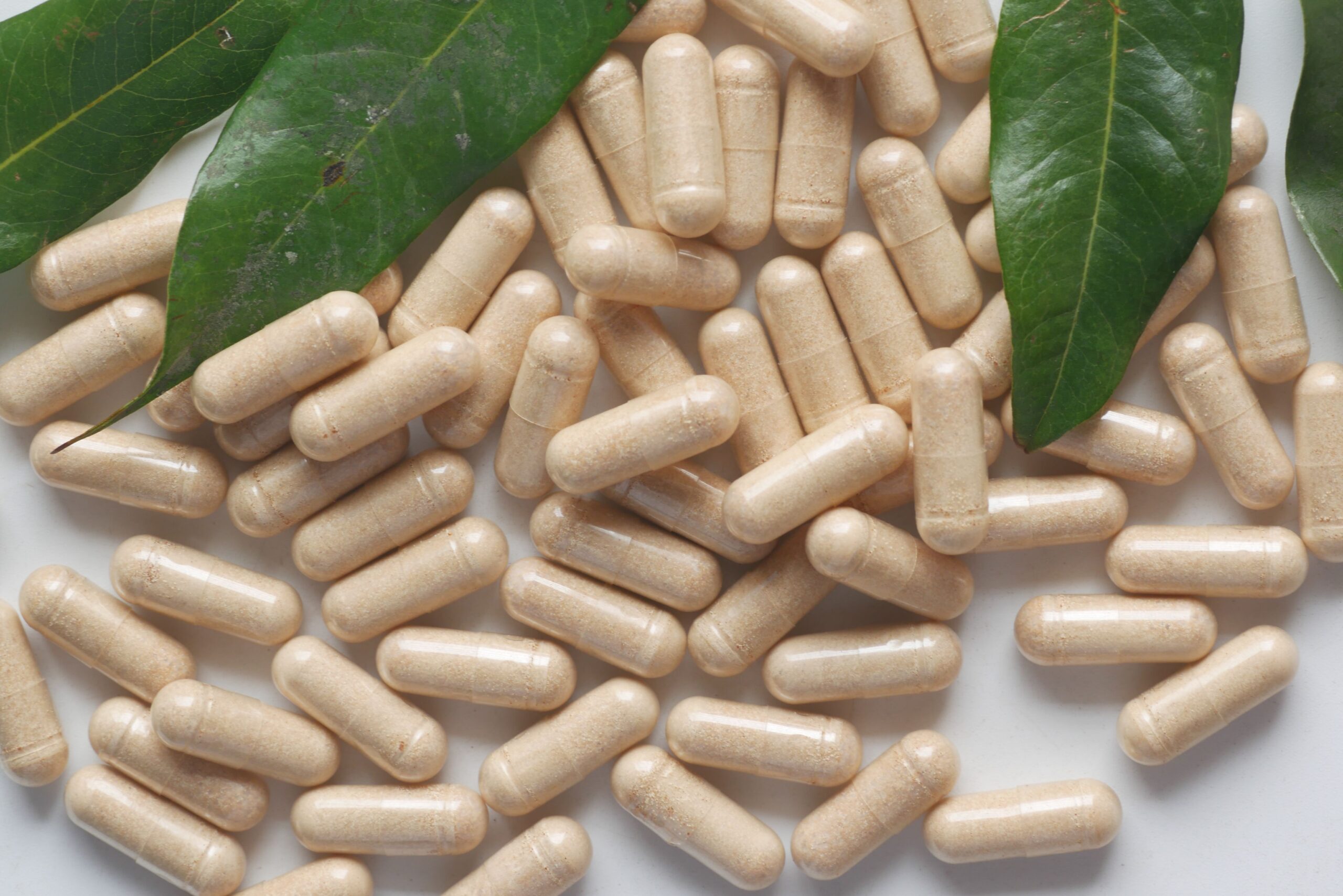
The dosing used in clinical trials showing weight management benefits is consistent across most studies.
Dose
The standard dose used in most clinical research is 500 mg of berberine HCl, taken two to three times daily — giving a total daily dose of 1,000–1,500 mg. Studies showing waist circumference and BMI reductions have typically used 1,000–1,500 mg per day. Starting at 500 mg once daily and increasing gradually over the first two weeks reduces digestive side effects.
Timing
Always take berberine with meals or immediately before eating — not on an empty stomach. Taking it with food improves tolerability and may improve bioavailability. For adults targeting blood sugar alongside weight management, pre-meal timing (15–30 minutes before eating) is optimal for post-meal glucose control. For general metabolic support, with meals is sufficient.
Duration
The dose-response meta-analysis found that waist circumference reductions increased significantly with longer duration — with more meaningful reductions at 12+ weeks compared to shorter periods. Allow a minimum of 12 weeks before assessing whether berberine is producing the metabolic benefits you are looking for. Do not judge results at four weeks.
What to combine it with
Every clinical trial showing berberine’s weight management benefits involved participants who were already making some dietary effort. Berberine is consistently studied as a supplement to lifestyle changes, not a replacement for them. Adults over 55 specifically should prioritise resistance exercise alongside berberine use — both because preserving muscle mass during any weight loss effort is critical after 55, and because resistance training independently improves insulin sensitivity through AMPK-related mechanisms that complement berberine’s action.
For more detail on how berberine compares to other natural supplements for blood sugar and metabolic health, our guide to berberine for blood sugar covers the evidence across multiple health outcomes in detail. Our broader overview of natural supplements for blood sugar compares berberine alongside magnesium, cinnamon, and chromium for adults over 55.
📌 Affiliate link — we may earn a small commission if you purchase, at no extra cost to you.
Sugar Defender is a liquid supplement containing chromium and gymnema — two evidence-backed ingredients for blood sugar and metabolic support. It is not a weight loss product and should not be positioned as one. But for adults managing both blood sugar and weight through lifestyle, it may provide useful complementary support alongside diet and exercise. It comes with a genuine 60-day guarantee through ClickBank. Always speak with your doctor before starting, especially if you are on any medication.
Safety and Interactions for Adults Over 55 Using Berberine for Weight Loss
The safety considerations for berberine are particularly important for adults over 55 — who are more likely to be on medications that interact with berberine’s metabolic mechanisms.
Common side effects
Digestive discomfort is the most frequently reported side effect — nausea, bloating, constipation, or loose stools, particularly in the first two weeks. Starting at a lower dose (500 mg once daily) and increasing gradually reduces this significantly. Taking berberine with food rather than on an empty stomach also helps. Most people find side effects resolve after the first 2–3 weeks of consistent use.
Key medication interactions
Berberine inhibits liver enzymes CYP2D6, CYP2C9, and CYP3A4 — which process approximately 50% of all prescription medications. For adults over 55 taking multiple medications, this interaction risk is significant. The highest concern interactions for weight management contexts include:
- Statins (simvastatin, atorvastatin): Very commonly prescribed to adults over 55 for cholesterol — berberine may increase statin blood levels via CYP3A4 inhibition, raising muscle toxicity risk. Discuss with your doctor before combining.
- Diabetes medications (metformin, insulin, sulfonylureas): Berberine has additive glucose-lowering effects — combining with these medications increases hypoglycaemia risk. Blood sugar must be monitored more frequently.
- Blood pressure medications: Berberine modestly lowers blood pressure, which can compound the effect of antihypertensives and cause dizziness or falls in older adults.
- Blood thinners (warfarin): CYP2C9 inhibition may alter warfarin levels — potentially increasing bleeding or clotting risk.
- Berberine for weight loss shows consistent evidence for reducing waist circumference and BMI — the evidence for total body weight reduction is more modest and mixed across studies.
- Body weight results vary across meta-analyses — some report reductions of around 2 kg over 8–12 weeks; others find no significant body weight change. Waist circumference and BMI reductions are more consistent findings.
- The most consistent and health-relevant finding for adults over 55 is waist circumference reduction, which reflects visceral fat loss — the type most associated with metabolic risk.
- Berberine’s AMPK activation mechanism is particularly relevant after 55, when AMPK signalling naturally declines and visceral fat accumulation accelerates.
- Berberine does not preserve muscle mass during weight loss — resistance exercise is essential alongside any weight management effort after 55.
- Most trials used 1,000–1,500 mg per day with meals over 12+ weeks. Start at 500 mg once daily and increase gradually to reduce digestive side effects.
- Drug interactions with statins, diabetes medications, blood pressure drugs, and blood thinners are significant — discuss with your doctor before starting, especially if you take multiple medications.
📌 Affiliate link — we may earn a small commission if you purchase, at no extra cost to you.
Interested in a Natural Blood Sugar and Metabolic Support Supplement?
If you are already managing blood sugar and weight through diet and lifestyle and want to explore natural supplement support, Sugar Defender combines chromium and gymnema in a liquid formula with a genuine 60-day guarantee through ClickBank. It is not a weight loss product — it is a metabolic support supplement. Always speak with your doctor first, particularly if you are on any medication.
Learn More About Sugar Defender →
Affiliate link — commission may be earned at no cost to you. Not medical advice. Results vary. Always consult your doctor.
Frequently Asked Questions
Does berberine help with weight loss?
Research suggests berberine may support modest weight reduction, with the most consistent evidence for reductions in waist circumference and BMI rather than total body weight. Results vary across meta-analyses — some report average body weight reductions of around 2 kg over 8–12 weeks, while others find no statistically significant body weight change. Berberine is not a standalone weight loss solution — its effects are best described as metabolic support that complements dietary changes and physical activity.
How long does berberine take to work for weight loss?
Clinical trials showing meaningful waist circumference and BMI reductions have typically run for 12 weeks or longer. The dose-response meta-analysis found that effects on waist circumference increased significantly with longer supplementation duration. Allow a minimum of 12 weeks before assessing whether berberine is working for you — and track waist circumference, not just scale weight, for the most health-relevant measurement.
Is berberine safe for weight loss in older adults?
Berberine is generally considered safe for most adults when taken at standard doses with meals. For adults over 55, the main safety considerations are medication interactions — particularly with statins, diabetes drugs, blood thinners, and blood pressure medication. Kidney function also affects how berberine is cleared; if you have reduced kidney function, discuss supplementation with your doctor first. Always start at a lower dose and increase gradually.
Is berberine “nature’s Ozempic”?
This comparison has become popular online but is misleading. Berberine and semaglutide (Ozempic) work through completely different mechanisms. Semaglutide is a GLP-1 receptor agonist that suppresses appetite and produces substantial weight loss (typically 10–15% of body weight in clinical trials). Berberine activates AMPK and produces modest metabolic improvements. Comparing them overstates berberine’s weight loss potential and undersells the legitimate metabolic benefits berberine does offer. They are very different compounds.
What is the best berberine supplement for weight loss?
Look for a supplement listing berberine HCl specifically (the form used in most clinical trials) at a disclosed dose of at least 500 mg per serving, manufactured in a GMP-certified facility, without proprietary blends that hide how much berberine you are actually getting. Our guide to the best berberine supplement for blood sugar covers what to look for on the label in detail — the same quality criteria apply for weight management use.
Can berberine reduce belly fat specifically?
The evidence specifically for visceral fat reduction — the fat around organs that contributes to abdominal girth — is one of the more consistent findings in berberine research. Multiple meta-analyses show significant waist circumference reductions, which reflect visceral fat loss. This is particularly relevant for adults over 55, in whom visceral fat accumulation is both more common and more metabolically harmful than in younger adults. Berberine appears to preferentially reduce this type of fat through its AMPK and insulin-sensitising mechanisms.