

Founder, HealthAfter55.com — Richard researches natural health strategies for adults over 55, with a focus on blood sugar, energy, and healthy ageing. He is not a medical professional. Always consult your doctor before making health changes.
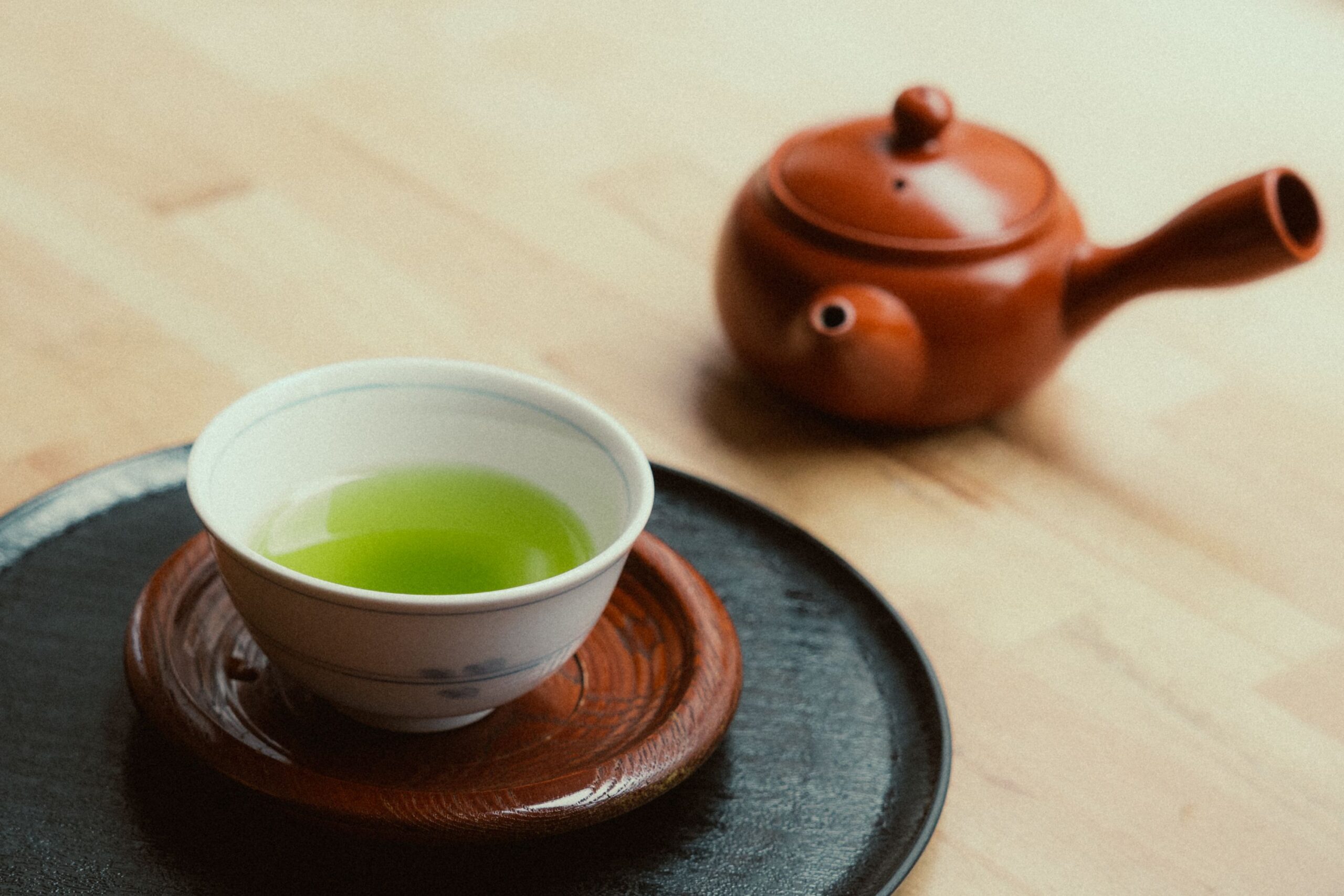
What you drink affects your blood sugar just as much as what you eat — and in some ways, more directly. Liquid carbohydrates enter the bloodstream faster than solid food because there is no fibre or physical structure to slow digestion. A glass of orange juice can spike blood sugar more sharply than the equivalent amount of sugar eaten with a meal. Choosing the right natural drinks to lower blood sugar is not a minor detail: it is one of the most impactful changes you can make.
This article covers the natural drinks to lower blood sugar — what the research actually shows, how honest that evidence is, and what to realistically expect. It also covers what most similar articles skip: which drinks are quietly working against you, and the specific considerations that apply after 55, when thirst signals become less reliable and certain common drinks interact with medications many people in this age group take daily.
The evidence here is presented honestly. Some drinks have solid research. Others are popular but the studies are weaker than the headlines suggest. You deserve to know the difference.
🗓️ Last reviewed and updated: June 2026
The drinks with the best evidence for supporting blood sugar management are: plain water (prevents glucose concentration and reduces dehydration-driven spikes), unsweetened green tea (modestly reduces fasting blood glucose, though effects on HbA1c are inconsistent across studies), and black coffee without added sugar (associated with a meaningful long-term reduction in type 2 diabetes risk). Apple cider vinegar diluted in water before meals has reasonable short-term evidence for reducing post-meal spikes. What matters equally is what you stop drinking — sugary drinks, fruit juices, and sweetened drinks are among the fastest ways to raise blood sugar, and eliminating them produces more reliable results than adding any single “beneficial” drink.
Get Our Free Guide: 7 Natural Ways to Support Healthy Blood Sugar After 55
Practical, evidence-backed strategies for adults over 55 — including what to drink, what to avoid, and what actually makes a difference.
- Water — The Foundation Everything Else Builds On
- Green Tea — Honest Evidence, Realistic Expectations
- Black Coffee — Long-Term Risk Reduction, Not a Quick Fix
- Apple Cider Vinegar in Water — Before Meals Specifically
- Other Teas: What the Evidence Shows
- Drinks That Raise Blood Sugar — What to Stop or Reduce
- After 55: Specific Considerations for This Age Group
- A Practical Daily Drinks Plan
- Frequently Asked Questions
Water — The Foundation Everything Else Builds On
Water does not directly lower blood sugar in the way a medication does. But it plays a genuine and underappreciated role in blood sugar regulation — and it is by far the most important drink for anyone managing elevated glucose.
When you are dehydrated, blood volume decreases. The same amount of glucose is now dissolved in less fluid, so blood sugar concentration rises — even without eating anything. Dehydration also triggers the release of vasopressin (also called antidiuretic hormone — a hormone that signals the kidneys to conserve water). Research published in PMC shows that higher vasopressin levels are associated with worse glycaemic control and elevated HbA1c, partly because vasopressin stimulates the liver to produce and release glucose. Staying well hydrated suppresses vasopressin and removes this driver of elevated blood sugar.
Adequate hydration also supports the kidneys’ ability to excrete excess glucose through urine. When blood sugar is high, the kidneys attempt to filter out the excess — a process that requires sufficient water to work effectively.
How much to drink
A practical target for most adults is 1.5–2 litres of fluid per day, with more during hot weather or physical activity. Plain water is the ideal form. Sparkling water without sweeteners or flavourings is equally good. Herbal teas contribute to this total. The goal is consistent hydration spread across the day — not large amounts consumed at one time.
Green Tea — Honest Evidence, Realistic Expectations
Green tea is one of the most studied drinks for blood sugar management — and it has genuine evidence behind it, though the picture is more nuanced than many articles suggest.
The active compounds in green tea are catechins — plant polyphenols (naturally occurring plant compounds with antioxidant and anti-inflammatory properties) — particularly EGCG (epigallocatechin gallate). These compounds have been shown in laboratory and animal studies to improve insulin sensitivity and reduce inflammation. In human trials, the results are more mixed.
What the research actually shows
A meta-analysis of 27 randomised controlled trials involving 2,194 participants found that green tea supplementation significantly reduced fasting blood glucose by 1.44 mg/dL — a modest but statistically meaningful reduction. However, this same analysis found no significant effect on HbA1c (the three-month blood sugar average) or fasting insulin levels.
A more recent 2024 meta-analysis of 41 RCTs found that EGCG supplementation produced small but statistically significant reductions in fasting blood glucose, HbA1c, and HOMA-IR (a measure of insulin resistance). But the reduction in HbA1c was modest (0.18%) — the authors note this “may not equate to clinically meaningful benefits for all populations.”
The honest summary: green tea may modestly reduce fasting blood sugar. Its effect on your three-month A1C reading — the number that actually matters most — is less established in the evidence. It is a worthwhile addition to a blood sugar management approach, but it is not a primary strategy on its own.
How to prepare it to get the most benefit
- Use loose leaf or quality bags — catechin content varies significantly between products. Cheap supermarket teabags tend to contain lower catechin concentrations than loose leaf green tea or specialist brands.
- Water temperature matters — steep in water around 70–80°C (160–175°F), not boiling. Boiling water damages catechins and makes the tea bitter. If you only have a kettle, let it rest for two to three minutes after boiling before pouring.
- Steep for 2–3 minutes — longer steeping increases catechin extraction but also increases bitterness. Two to three minutes is the practical sweet spot.
- Drink it plain — adding sugar, honey, or high-sugar milk completely negates any blood sugar benefit. If you need to take the edge off bitterness, a squeeze of lemon is fine and may actually improve catechin absorption.
- Two to three cups per day is the dose most associated with meaningful catechin intake in the research. Drinking one cup occasionally will produce minimal benefit.
Black Coffee — Long-Term Risk Reduction, Not a Quick Fix
Coffee has a complex relationship with blood sugar that most articles oversimplify. Here is the honest breakdown.
The long-term evidence is genuinely strong
Habitual coffee consumption is consistently associated with a reduced risk of developing type 2 diabetes in large population studies. A 2024 systematic review and meta-analysis confirmed this inverse relationship — people who drink more coffee have a meaningfully lower incidence of type 2 diabetes. A separate analysis of 30 studies found that coffee consumption reduces the risk of developing type 2 diabetes by approximately 30%, with both caffeinated and decaffeinated coffee showing protective effects — suggesting the benefit is not primarily from caffeine but from coffee’s chlorogenic acids (plant compounds that slow glucose absorption and improve insulin sensitivity) and other polyphenols (beneficial plant compounds).
The short-term picture is more complicated
In people who already have diabetes, the acute effects of caffeine on blood sugar are inconsistent and can vary individually. Caffeine can temporarily impair insulin sensitivity in some people, leading to a higher blood sugar response after meals. This is not universal — many people with well-managed diabetes drink coffee without problem — but it does mean that the long-term risk reduction seen in population studies does not automatically translate to a guaranteed blood sugar benefit when drunk immediately before a meal.
If you already drink coffee and enjoy it, continuing to drink it black (without sugar or high-sugar creamers) is a reasonable choice supported by the population data on long-term diabetes risk. If you are newly diagnosed or managing blood sugar actively, paying attention to whether your individual response to coffee improves or worsens your post-meal readings is worthwhile.
Long-term habitual black coffee drinking → associated with ~30% lower risk of developing type 2 diabetes (large population studies). Drinking coffee immediately before a meal → may temporarily impair insulin sensitivity in some individuals with existing diabetes. These are two different questions. The long-term data is encouraging. The acute effects are more individual and variable.
What ruins coffee for blood sugar management
Adding sugar, flavoured syrups, or sweetened condensed milk to coffee converts it from a low-carbohydrate drink to a significant blood sugar trigger. A medium flavoured latte from a coffee chain can contain 30–50 grams of sugar — equivalent to a can of fizzy drink. Coffee with added sugar, syrups, or sweetened creamers is not “coffee with beneficial properties plus a little sugar” — the sugar dominates the metabolic response completely. Black coffee, or coffee with a small amount of unsweetened milk, is the relevant form.
Apple Cider Vinegar in Water — Before Meals Specifically
Apple cider vinegar (ACV) taken as a diluted drink before meals has reasonable clinical evidence for reducing post-meal blood sugar spikes — specifically when consumed before a carbohydrate-containing meal.
The mechanism is well understood. Acetic acid — the active compound in all vinegars — inhibits the enzymes that break down starch in the small intestine, slowing how quickly glucose enters the bloodstream. It also delays gastric emptying (the rate at which food moves from the stomach into the small intestine), which blunts the height and speed of post-meal blood sugar spikes. A 2025 systematic review covering seven controlled trials in 463 people with type 2 diabetes found meaningful reductions in fasting blood glucose and HbA1c in the ACV group.
How to use it
- Always dilute — one to two tablespoons in a large glass (at least 200–250ml) of water. Never drink vinegar undiluted — the acidity can erode tooth enamel and irritate the oesophagus (food pipe).
- Timing is the key variable — drink it immediately before or with a carbohydrate-containing meal. The evidence for taking it at random times of day is much weaker. It needs to be present in the gut during the meal to slow digestion of that meal’s carbohydrates.
- Use a straw if possible — this reduces contact between the acidic solution and tooth enamel.
- Rinse your mouth with plain water afterwards — do not brush your teeth immediately after acidic drinks, as enamel is temporarily softened. Wait at least 30 minutes.
- Regular white wine vinegar or red wine vinegar works by the same mechanism — the active ingredient is acetic acid, which all vinegars share. Apple cider vinegar is not uniquely superior, but it tends to be more palatable for most people.
Other Teas: What the Evidence Shows
Beyond green tea, several other teas are regularly promoted for blood sugar benefits. Here is an honest assessment of each.
Black tea — moderate evidence
Black tea is made from the same plant as green tea (Camellia sinensis) but is fully oxidised, which changes its polyphenol (beneficial plant compound) profile. It contains theaflavins and thearubigins rather than the catechins found in green tea. Some studies suggest black tea may modestly improve post-meal blood sugar responses. The evidence is less robust than for green tea, but black tea without milk or sugar is a reasonable alternative for those who find green tea less palatable. Adding milk in the quantities typical of a British-style cup of tea does not appear to significantly negate the blood sugar effect — though adding sugar clearly does.
Cinnamon tea — limited evidence
Cinnamon steeped in hot water is widely promoted for blood sugar management. While some earlier trials showed modest benefits, the evidence is inconsistent and the American Diabetes Association’s 2026 Standards of Care explicitly states that cinnamon is not recommended for glycaemic benefit due to insufficient evidence. Cinnamon tea is a perfectly pleasant drink and has no meaningful downside — but it should not be relied upon as an active blood sugar strategy. Treat it as a warm, flavourful alternative to plain water rather than a targeted intervention.
Hibiscus tea — emerging evidence
Hibiscus tea (made from the dried calyces of the Hibiscus sabdariffa flower) has a developing body of evidence for blood pressure reduction, and some preliminary studies suggest possible benefits for fasting blood glucose. The evidence is not yet strong enough to make confident recommendations, but hibiscus tea is naturally caffeine-free, rich in antioxidants, and a pleasant option for adults looking to vary their hot drink choices beyond plain water. Drink it unsweetened — the tartness is the character of the tea, not a problem to be masked with sugar.
Chamomile tea — weak evidence for blood sugar specifically
Chamomile tea has preliminary evidence for antioxidant and anti-inflammatory properties. Some animal studies have suggested benefits for blood sugar, but human evidence is very limited. Its main useful contribution in this context is as a calming, caffeine-free evening drink that supports sleep quality — and better sleep is itself a meaningful blood sugar intervention, particularly after 55.
| Drink | Evidence Strength | Main Mechanism | Key Condition |
|---|---|---|---|
| Water | Strong ✅ | Prevents glucose concentration; supports kidney glucose excretion | Drink consistently — thirst is unreliable after 55 |
| Green tea (unsweetened) | Moderate ⚠️ | Catechins improve insulin sensitivity; modest fasting glucose reduction | 2–3 cups daily; never sweetened; check warfarin interaction |
| Black coffee (no sugar) | Moderate ⚠️ | Chlorogenic acids; long-term T2D risk reduction | Long-term benefit; acute effects variable. No sugar or sweetened creamers |
| ACV in water (before meals) | Moderate ⚠️ | Slows starch digestion and gastric emptying; reduces post-meal spikes | Always diluted; before carbohydrate-containing meals; check medication interactions |
| Black tea (unsweetened) | Emerging ⚠️ | Theaflavins; modest post-meal glucose effects | Without sugar; small amount of milk acceptable |
| Hibiscus tea (unsweetened) | Weak for blood sugar ⚠️ | Antioxidant; some blood pressure evidence; limited glucose data | Good caffeine-free option; unsweetened only |
| Cinnamon tea | Insufficient evidence ❌ | ADA 2026 does not recommend for glycaemic benefit | Pleasant drink; not a blood sugar strategy |
| Chamomile tea | Insufficient evidence ❌ | Limited human blood sugar evidence; supports sleep (indirect benefit) | Useful as a calming evening drink — sleep quality matters |
Drinks That Raise Blood Sugar — What to Stop or Reduce
This section is as important as everything above. Before focusing on which natural drinks to lower blood sugar you should add, address what is actively working against you. Eliminating blood-sugar-raising drinks produces faster and more reliable results than adding any beneficial drink. Liquid carbohydrates are particularly problematic because they bypass the fibre and physical structure that slow glucose absorption from solid food.
Sugary drinks — the highest impact thing to eliminate
Regular soft drinks, energy drinks, sweetened squash, flavoured water with added sugar, and sweetened iced tea all deliver large amounts of rapidly absorbed glucose or high-fructose corn syrup with nothing to slow their absorption. A standard can of cola contains around 35–40 grams of sugar — the equivalent of 8–10 teaspoons. Consumed as a liquid, this reaches the bloodstream within 15–30 minutes. For adults managing blood sugar after 55, even occasional consumption of these drinks causes significant spikes that compound over time in your A1C reading.
Fruit juice — the most misunderstood drink
“100% fruit juice” or “freshly squeezed” juice causes blood sugar spikes comparable to sugary soft drinks for most people — a fact that genuinely surprises many adults who consider juice a health choice. When you juice fruit, you extract the sugar and discard most of the fibre that would otherwise slow its absorption. A glass of orange juice contains roughly the same sugar as three or four whole oranges but none of the fibre. Whole fruit — where the fibre structure is intact — produces a much more gradual blood sugar response than the same fruit juiced. This is not about avoiding fruit. It is specifically about juice.
Sweetened coffee drinks
Flavoured lattes, frappuccinos, caramel macchiatos, and similar speciality coffee drinks from cafés are often among the highest-sugar drinks available — comparable to dessert in carbohydrate content. A medium flavoured latte can contain 30–60 grams of sugar depending on the size and number of syrup pumps. Black coffee has near-zero carbohydrates and is fine. The problem is not coffee; it is what people add to it.
Alcohol — a nuanced picture
Alcohol’s relationship with blood sugar is complex and worth understanding. Sweet wines, beer, cider, and cocktails made with juice or syrup all contain significant carbohydrates that raise blood sugar. Dry wines and spirits have lower carbohydrate content. However, alcohol also inhibits the liver’s ability to release glucose — which can cause blood sugar to drop too low several hours after drinking, particularly in people on diabetes medication. Drinking alcohol without eating increases this risk. If you drink alcohol, doing so with food and monitoring your blood sugar response is important. This is particularly relevant after 55 when liver function and medication use make the interactions more significant.
Grapefruit juice — a medication interaction that directly affects blood sugar management
Grapefruit and grapefruit juice contain compounds called furanocoumarins that inhibit an enzyme in the gut called CYP3A4 — the enzyme responsible for metabolising (breaking down) a wide range of common medications. This interaction can cause some medications to reach significantly higher concentrations in the bloodstream than intended. For adults over 55, the medications most commonly affected include statins (cholesterol-lowering drugs), certain calcium channel blockers (blood pressure medications), and some diabetes medications. Even a single glass of grapefruit juice can significantly alter drug levels for up to 24 hours. If you take any medication, check with your pharmacist whether grapefruit is on the interaction list — it applies to a surprisingly large number of common drugs.
After 55: Specific Considerations for This Age Group
Several aspects of how drinks affect blood sugar are more relevant after 55 than at younger ages.
Thirst mechanism deteriorates with age
The hypothalamus (the part of the brain that controls thirst and many other regulatory functions) becomes less sensitive to dehydration signals with age. Research consistently shows that adults over 65 drink significantly less fluid than younger adults, often without experiencing thirst. Mild chronic dehydration in this age group is very common and contributes to elevated blood sugar readings, kidney strain, urinary tract infections, and cognitive fog — all of which are more common and more serious after 55. Scheduled drinking rather than thirst-prompted drinking is the practical solution.
Caffeine sensitivity often increases with age
The liver becomes slightly less efficient at metabolising caffeine with age, meaning the same amount of caffeine stays in the system longer. Adults who tolerated several cups of coffee easily at 40 may find that the same amount disrupts sleep at 60. Since poor sleep directly worsens insulin resistance and raises blood sugar, switching to decaffeinated coffee or decaffeinated green tea in the afternoon and evening is a worthwhile consideration if caffeine affects your sleep.
Medications that interact with drinks
Adults over 55 are significantly more likely to be on multiple medications. Beyond the grapefruit interaction noted above, several interactions are worth flagging specifically in the context of blood sugar management drinks. ACV (as a drink) can interact with diuretics and diabetes medications. Green tea can interact with warfarin. Hibiscus tea may lower blood pressure — potentially additive with blood pressure medication. These are not reasons to avoid these drinks, but they are reasons to mention them to your doctor or pharmacist when you start using them regularly.
For a comprehensive look at how natural approaches — including foods and supplements — work alongside a blood sugar management plan, our broader guide to how to lower blood sugar naturally after 55 covers the full evidence landscape. For practical guidance on exactly which drinks to choose and avoid in different situations, our dedicated guide on what to drink to lower blood sugar goes deeper on drink choices for specific meals and times of day. For the food side of this picture specifically, our guide to foods that lower blood sugar naturally after 55 applies the same evidence-based approach to what you eat.
A Practical Daily Drinks Plan
Building good drink habits is easier when you have a simple structure rather than a list of rules. The natural drinks to lower blood sugar discussed in this guide all slot in naturally across the day — here is what that looks like in practice, without requiring complicated preparation.
| Time | Drink | Why |
|---|---|---|
| On waking | Large glass of plain water | Rehydrates after 7–8 hours without fluid; prevents the early morning glucose concentration that occurs with mild overnight dehydration |
| With or after breakfast | Black coffee or unsweetened green tea | Morning is a good window for caffeine; polyphenols from coffee or catechins from green tea taken at a consistent time |
| Before lunch (if using ACV) | 1–2 tbsp ACV in a large glass of water, through a straw | Slows digestion of the meal’s carbohydrates; most evidence is for pre-meal timing |
| Mid-morning and mid-afternoon | Plain water or sparkling water | Maintains hydration between meals; do not rely on thirst — drink on schedule |
| With afternoon tea | Unsweetened green or black tea | A second window for catechins or theaflavins; lower caffeine window than morning |
| After 3pm | Switch to decaf coffee/tea or herbal teas (chamomile, peppermint, hibiscus) | Caffeine after midday disrupts sleep in many adults over 55; poor sleep raises blood sugar the following day |
| Evening | Chamomile or herbal tea, or plain water | Calming; caffeine-free; supports sleep quality — an underappreciated blood sugar lever |
- Water is the most important drink for blood sugar management — it prevents dehydration-driven glucose concentration and supports the vasopressin-glucose mechanism. After 55, the thirst signal is unreliable: drink on schedule, not on demand.
- Green tea has the most consistent evidence among tea options — it modestly reduces fasting blood glucose in meta-analyses, though its effect on HbA1c is less established. Drink it unsweetened, at 70–80°C, two to three cups daily.
- Black coffee is associated with a meaningful long-term reduction in type 2 diabetes risk (approximately 30% in large studies) — but this is a long-term population effect, not a guaranteed acute blood sugar benefit. Black only, no sugar or sweetened creamers.
- Apple cider vinegar in water taken before carbohydrate-containing meals has reasonable evidence for reducing post-meal spikes — always diluted, timing is critical, and medication interactions must be checked.
- Eliminating sugary drinks produces more reliable blood sugar improvement than adding any beneficial drink. Fruit juice — including “100% natural” juice — causes blood sugar spikes comparable to sugary soft drinks and should be treated accordingly.
- Grapefruit juice interacts with a wide range of common medications including statins, blood pressure drugs, and some diabetes medications — check with your pharmacist if you take any regular medication.
- Caffeine sensitivity often increases after 55 — switch to decaffeinated options after midday to protect sleep quality, which is itself a direct blood sugar lever.
Get Our Free Guide: 7 Natural Ways to Support Healthy Blood Sugar After 55
Join adults over 55 who receive our free weekly blood sugar guide — including a practical breakdown of what to drink, what to avoid, and the changes that make the biggest real-world difference.
Natural Drinks to Lower Blood Sugar — Frequently Asked Questions
What drink lowers blood sugar the fastest?
No natural drink lowers blood sugar quickly in the way that medication can. If you are experiencing dangerously high blood sugar, this is a medical situation — not one for natural drink remedies. For managing blood sugar over time, plain water is the most reliable drink because it prevents the dehydration-driven glucose concentration that silently elevates readings throughout the day. Apple cider vinegar in water taken before a meal can meaningfully reduce the spike from that specific meal. But the concept of a drink “lowering blood sugar fast” is largely a misconception — what these drinks do is prevent unnecessary rises and support better metabolic function over time.
Is lemon water good for blood sugar?
Lemon water — plain water with a slice or squeeze of lemon — has no meaningful direct evidence for lowering blood sugar. However, it is an excellent substitute for sugary drinks and may make drinking adequate water throughout the day more pleasant and consistent. The very small amount of citric acid in a squeeze of lemon is not enough to replicate the acetic acid mechanism of vinegar. The main benefit is indirect: if lemon water helps you drink more water and less sugary alternatives, it supports blood sugar management through hydration and drink substitution.
Can I drink fruit juice if I have prediabetes?
This is one of the most common areas of confusion. Fruit juice — even “100% natural” or “freshly squeezed” with no added sugar — causes blood sugar spikes comparable to sugary soft drinks because the natural fruit sugar is present without the fibre that would slow its absorption. For adults in the prediabetes range, the evidence strongly supports replacing juice with whole fruit (which retains the fibre) or with water. Occasional small amounts may be tolerable depending on your individual response, but for most people with prediabetes, fruit juice should be treated as a sweet drink rather than a health choice.
Does green tea lower blood sugar immediately?
No — not in any meaningful immediate sense. Green tea’s effect on blood sugar operates over weeks to months of consistent consumption. The meta-analysis evidence shows modest reductions in fasting blood glucose with regular consumption — not a rapid blood sugar-lowering effect after a single cup. If you are expecting a measurable change in your blood sugar reading an hour after drinking green tea, you will likely be disappointed. Think of green tea as a small, consistent background contributor rather than an acute intervention.
Is sparkling water okay for blood sugar?
Yes — plain sparkling water (carbonated water without sweeteners, flavours, or citric acid in significant amounts) has essentially the same effect on blood sugar as plain still water: none. It does not raise blood sugar and contributes to hydration. Some people find sparkling water more satisfying and easier to drink in adequate quantities than still water, making it a useful practical alternative. Check labels carefully — many commercial sparkling waters contain added flavourings or sweeteners that are not always obvious from the front of the packaging.