

Founder, HealthAfter55.com — Richard researches natural health strategies for adults over 55, with a focus on blood sugar, energy, and healthy ageing. He is not a medical professional. Always consult your doctor before making health changes.
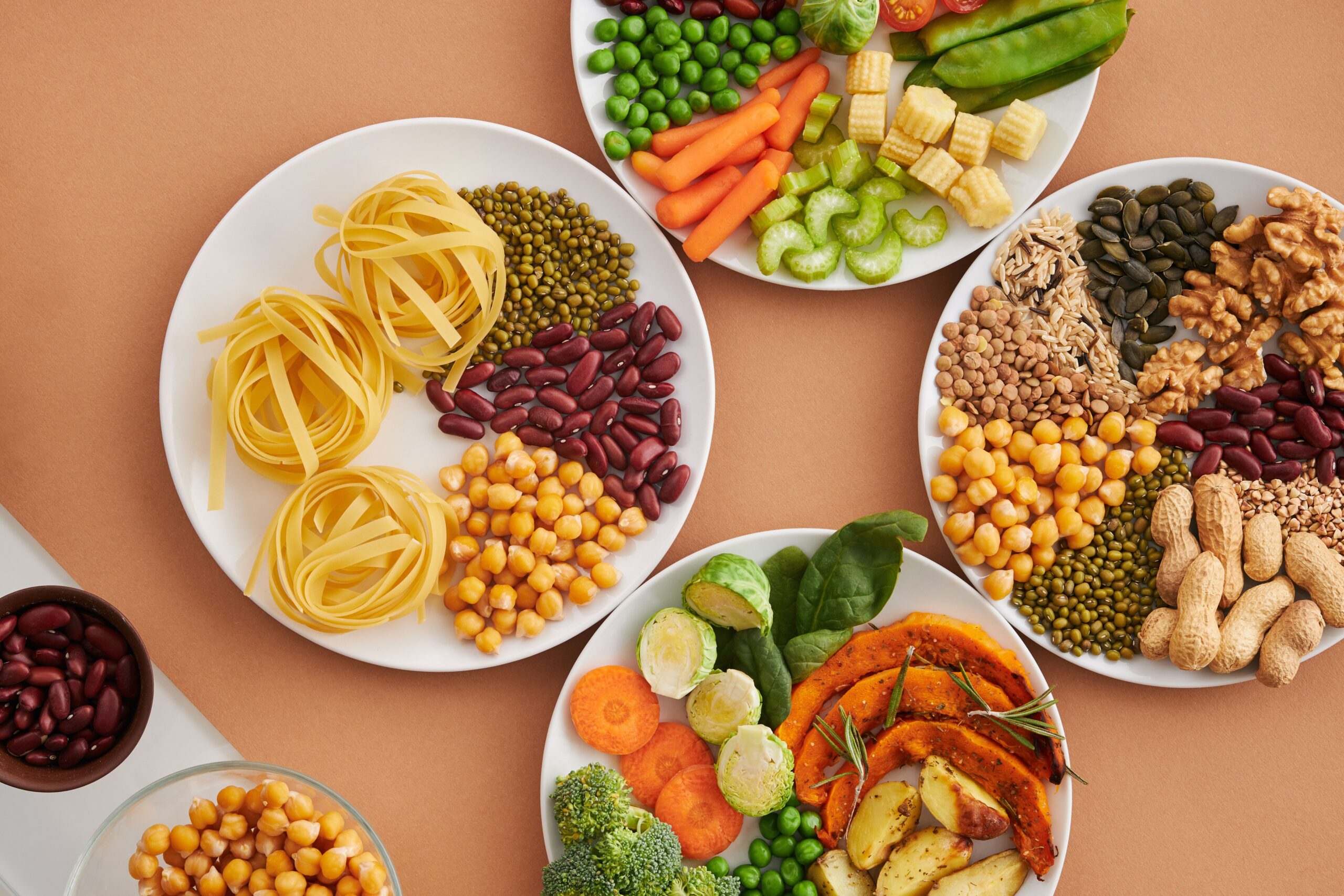
There is a question that does not get asked enough: if you are already eating well and considering a natural supplement, how do the two work together? Can certain foods deliver similar benefits to supplement pills? And are there combinations where food and supplement genuinely reinforce each other — producing better results than either alone?
This article covers exactly that. How to lower blood sugar naturally with foods using strategies that have clinical evidence behind them — and where supplements slot in alongside those foods, not instead of them. After 55, this distinction matters more than it might seem. Digestive efficiency and nutrient absorption both change with age, meaning what you take with your food, and when, affects how much benefit you actually get from either.
What follows is honest. Some foods have strong evidence. Some supplements have strong evidence. A few have both. And there are approaches that sound plausible but do not yet have adequate research to recommend confidently — those are labelled clearly.
🗓️ Last reviewed and updated: June 2026
The foods with the strongest evidence for naturally lowering blood sugar are oats, legumes (beans, lentils, chickpeas), leafy greens, and diluted apple cider vinegar taken with meals. The supplements with the strongest evidence are berberine and magnesium — both of which work through specific biological mechanisms that are well studied. The key insight most articles miss: some of these foods and supplements work through overlapping mechanisms, meaning combining them strategically can produce additive effects. Others are best kept separate to avoid interactions or absorption problems. This article maps out what to eat, what to supplement, and how to combine them safely after 55.
Get Our Free Guide: 7 Natural Ways to Support Healthy Blood Sugar After 55
Practical, evidence-backed strategies for adults over 55 — including what to eat and when to get the most from natural approaches.
- How Foods and Supplements Work — and Why the Combination Matters
- The Foods With the Strongest Blood Sugar Evidence
- The Supplements With the Strongest Evidence
- Foods That Deliver Supplement-Level Active Compounds
- Smart Combinations: What Works Together and What to Avoid
- After 55: Absorption Changes That Affect Both Food and Supplements
- A Practical Day: How to Build It All In Naturally
- Frequently Asked Questions
How Foods and Supplements Work — and Why the Combination Matters
When blood sugar rises after a meal, several things happen simultaneously: glucose floods into the bloodstream from digested carbohydrates, insulin is released to signal cells to absorb that glucose, and the liver either stores or produces additional glucose depending on conditions. Natural foods and supplements that help manage blood sugar generally work by intervening at one of these steps.
Understanding which step a food or supplement targets tells you a great deal about when to take it, whether it will work better alongside certain other foods, and whether combining two things targeting the same mechanism offers any additional benefit.
1. Slowing glucose absorption — fibre, vinegar, and some supplements form barriers or gels in the gut that slow how quickly carbohydrates are broken down and glucose enters the bloodstream. 2. Improving insulin sensitivity — berberine, magnesium, and exercise all make cells more responsive to insulin’s signal. 3. Reducing glucose production by the liver — berberine and vinegar both reduce the liver’s tendency to release stored glucose. 4. Supporting pancreatic function — magnesium is directly involved in the release of insulin from the pancreas.
The practical implication is that combining approaches from different mechanisms can produce genuine additive benefits — a high-fibre breakfast slowing glucose absorption, taken alongside magnesium which improves insulin sensitivity, alongside berberine which reduces liver glucose output, is genuinely targeting three different parts of the problem at once. That is meaningfully more comprehensive than any single intervention alone.
The Foods With the Strongest Blood Sugar Evidence
Not all “blood sugar friendly” foods are equally supported by evidence. The following have the most consistent data from randomised controlled trials and meta-analyses — the gold standard for establishing whether something genuinely works.
1. Oats — the most studied whole food for blood sugar
Oats contain beta-glucan (pronounced BAY-tuh GLOO-kan) — a type of soluble fibre that forms a thick gel in your gut when it contacts water. This gel physically slows digestion and delays the absorption of glucose into the bloodstream, blunting the post-meal spike. A meta-analysis of 14 controlled trials in people with type 2 diabetes found that oat consumption significantly reduced HbA1c (the three-month blood sugar average) by 0.42% and fasting blood glucose by 0.39 mmol/L compared to control diets. These are clinically meaningful reductions.
For adults over 55 specifically, oats offer an additional benefit: they provide meaningful magnesium content from whole grain sources, which supports the insulin-sensitivity side of blood sugar management simultaneously. Rolled oats or steel-cut oats are preferable to instant sachets — the latter are more processed, have a higher glycaemic index (meaning they raise blood sugar more rapidly), and often contain added sugar or flavouring.
2. Legumes — beans, lentils, chickpeas, peas
Legumes are consistently among the lowest-glycaemic-index foods available — meaning they cause a smaller, slower blood sugar rise than most other carbohydrate-containing foods. They achieve this through a combination of resistant starch (a type of carbohydrate that resists digestion and passes largely intact to the large intestine), high soluble fibre content, and significant protein, all of which slow gastric emptying and blunt the glucose response.
A systematic review of randomised controlled trials on legume consumption in people with and without diabetes found consistent reductions in fasting blood glucose and HbA1c in studies involving people with type 2 diabetes. A landmark trial by Jenkins et al. found that replacing other carbohydrates with at least one cup of legumes daily reduced HbA1c by 0.5% over three months — comparable in magnitude to the effect of some medications.
Legumes are also among the richest food sources of magnesium, potassium, and folate — nutrients that support cardiovascular and metabolic health broadly. Adding a cup of lentils, chickpeas, or kidney beans to meals four to five times per week is one of the most evidence-backed single dietary changes for blood sugar management available.
3. Leafy green vegetables
Dark leafy greens — spinach, kale, Swiss chard, rocket, silverbeet — are extremely low in digestible carbohydrates, meaning they contribute virtually no glucose load to a meal. But their blood sugar benefit goes beyond simply being “low carb.” They are among the richest dietary sources of magnesium, and their antioxidant content (including lutein, zeaxanthin, and vitamin K) reduces the chronic inflammation that worsens insulin resistance over time.
Practically, leafy greens are most useful as a meal anchor — building meals around a base of greens and then adding protein, healthy fat, and a moderate portion of lower-glycaemic-index carbohydrates is a structure that consistently produces better post-meal blood sugar responses than meals centred on starch with greens added as a side.
4. Apple cider vinegar taken with meals
Apple cider vinegar (ACV) is one of the most polarising foods in the blood sugar space — enthusiastically promoted by some, dismissed by others. The evidence is more nuanced than either camp suggests. A 2025 systematic review and dose-response meta-analysis published in Frontiers in Nutrition, covering seven controlled trials in 463 people with type 2 diabetes, found meaningful reductions in fasting blood glucose and HbA1c in the ACV group compared to control.
The mechanism is reasonably well understood. Acetic acid — the active compound in all vinegars — inhibits the enzymes that break down starch in the small intestine (specifically, alpha-amylase and disaccharidases — enzymes that split complex carbohydrates into absorbable sugars), which slows glucose entry into the bloodstream. It also delays gastric emptying — the rate at which food moves from the stomach into the small intestine — reducing the speed and height of blood sugar spikes after meals.
The practical protocol: one to two tablespoons of ACV diluted in a large glass of water (never undiluted — straight vinegar can erode tooth enamel and irritate the oesophagus — the food pipe running from throat to stomach), taken immediately before or with a carbohydrate-containing meal. The evidence for using it with meals specifically, rather than at random times of day, is stronger.
The Supplements With the Strongest Evidence
The natural supplement market is saturated with products claiming to lower blood sugar. Most of the evidence behind them ranges from preliminary to poor. The following two have the most robust clinical evidence base — the kind that holds up across multiple well-designed trials rather than a handful of small studies.
Berberine — the strongest natural supplement evidence
Berberine is a plant compound found in several herbs including barberry, goldenseal, and Oregon grape. It works primarily by activating AMPK (adenosine monophosphate-activated protein kinase — a cellular enzyme often described as a metabolic master switch that regulates how cells use energy), which improves cellular uptake of glucose and reduces the liver’s production of glucose from non-carbohydrate sources.
A 2022 meta-analysis of 37 randomised controlled trials involving 3,048 people with type 2 diabetes found berberine produced statistically significant reductions in fasting plasma glucose (by 0.82 mmol/L), HbA1c (by 0.63%), and two-hour post-meal blood glucose (by 1.16 mmol/L). These are clinically meaningful effects that compare favourably to some pharmaceutical interventions. Multiple trials have directly compared berberine to metformin — a first-line diabetes medication — and found comparable glucose-lowering effects in people with type 2 diabetes.
The typical dose studied in clinical trials is 500mg taken two to three times daily with meals. Taking berberine with meals matters — it specifically targets post-meal glucose spikes, and the presence of food in the gut helps with its absorption and reduces the gastrointestinal side effects (mild nausea or loose stools) that some people experience, particularly when first starting.
Magnesium — the most relevant nutrient deficiency after 55
Magnesium is involved in more than 300 enzymatic reactions in the body, including those governing insulin secretion from the pancreas and insulin receptor sensitivity in cells. A review published in PMC on magnesium deficiency and insulin resistance found that deficiency impairs the activity of insulin receptors through several mechanisms — including disrupting the tyrosine kinase signalling that insulin receptors use to communicate with cells — and is associated with increased insulin resistance and worsened blood sugar control in people with type 2 diabetes.
Magnesium deficiency is particularly relevant after 55 for several reasons. Absorption decreases with age. Many adults in this age group take medications that deplete magnesium — proton pump inhibitors (drugs for reflux and stomach acid, such as omeprazole and lansoprazole), diuretics (water tablets), and certain antibiotics all reduce magnesium levels. And the kidneys become less efficient at retaining magnesium with age.
Before supplementing, it is worth trying to address magnesium through food first — dark leafy greens, pumpkin seeds, almonds, black beans, and whole grains are all excellent sources. If supplementing, magnesium glycinate and magnesium citrate are the forms with best absorption. Standard doses studied in clinical trials range from 250–400mg daily. Magnesium oxide is widely sold but poorly absorbed and not the preferred form.
| Supplement | Evidence Strength | Take With Food? | Key Caution After 55 |
|---|---|---|---|
| Berberine | Strong ✅ | Yes — with meals (reduces side effects, targets post-meal spikes) | Interacts with metformin, warfarin, statins — discuss with doctor |
| Magnesium (glycinate/citrate) | Moderate-Strong ✅ | Can be taken with or without food | Avoid if kidney disease present — kidneys excrete excess magnesium |
| Chromium picolinate | Moderate (mixed) ⚠️ | With meals — enhances insulin signalling at the meal | Can enhance diabetes medications — monitor blood sugar carefully |
| Apple cider vinegar (food) | Moderate ⚠️ | Before or with carbohydrate-containing meals — essential for effect | Dilute always — interacts with diuretics and diabetes medications |
| Gymnema sylvestre | Emerging ⚠️ | With meals — reduces intestinal glucose absorption | Can interact with diabetes medications — discuss with doctor |
| Cinnamon | Weak (see note) ⚠️ | With meals or added to food | ADA 2026 guidelines: not recommended for glycaemic benefit |
Foods That Deliver Supplement-Level Active Compounds
One of the most useful reframes for thinking about lower blood sugar naturally with foods is recognising that some foods deliver the same active compounds found in supplement capsules — often at meaningful doses, embedded within a food matrix that aids their absorption and comes with additional nutritional benefits.
Magnesium from food vs supplement
A handful of pumpkin seeds (about 30g) delivers roughly 150mg of magnesium — well over a third of the daily recommended intake for adults, and comparable in quantity to many standard supplements. A cup of cooked spinach delivers around 160mg. A cup of cooked black beans delivers around 120mg. Building meals around these foods several times a week addresses the most common nutritional driver of worsened insulin sensitivity without requiring a supplement at all — and comes packaged with fibre, protein, and other nutrients that amplify the blood sugar benefit.
Acetic acid from food vs ACV supplement capsules
Acetic acid — the active compound in apple cider vinegar — is also present in regular white wine vinegar, red wine vinegar, and malt vinegar. There is nothing uniquely magical about apple cider vinegar specifically; the active ingredient is the acetic acid, which all vinegars share. Using vinegar-based dressings on salads, adding a splash of vinegar to vegetables before eating, or including pickled foods (which are acidified with vinegar or fermentation) at meals delivers the same mechanism through food rather than a separate drink. Some people find this easier to maintain consistently.
Beta-glucan from oats and barley
Beta-glucan is sold as a separate supplement in capsule and powder form, but the evidence for whole oats and barley producing blood sugar benefits is at least as strong as that for extracted beta-glucan supplements — and food form delivers the compound within its natural fibre matrix, which appears to be important for the gel-forming effect in the gut. Whole oats or oat bran added to food, or barley added to soups and stews, are reliable ways to deliver a meaningful daily dose (aiming for 3–4g of beta-glucan, roughly equivalent to a 40g serving of rolled oats).
Smart Combinations: What Works Together and What to Avoid
Not all combinations of foods and supplements are equally sensible. Here is an honest guide to what works well together, what to be cautious about, and what to avoid.
Combinations that reinforce each other ✅
Oats (breakfast) + berberine (with breakfast): Oats slow glucose absorption from the meal; berberine simultaneously activates AMPK to improve cellular uptake and reduce liver glucose output. These target different steps in the same process, producing complementary effects.
Legume-based meal + magnesium-rich greens + magnesium supplement: Legumes deliver low-glycaemic carbohydrates with fibre; greens contribute direct magnesium from food; a magnesium supplement topped up to an adequate daily total supports insulin signalling. Three distinct contributions adding to the same outcome.
Diluted ACV before a starchy meal + soluble fibre at that meal: ACV slows starch digestion enzymatically; fibre adds a physical gel barrier. Both reduce the rate of glucose absorption from the meal — targeting the same step from two different angles, which may produce an additive effect.
Combinations to be cautious about ⚠️
Berberine + ACV + diabetes medication: All three lower blood sugar by different mechanisms. If you are already on a medication that lowers blood sugar and add both of these, the cumulative effect may push blood sugar lower than intended — a risk of hypoglycaemia (blood sugar dropping too low, causing dizziness, shakiness, or confusion). This combination is not necessarily harmful but requires medical supervision and careful blood sugar monitoring, especially in the first weeks.
High-dose magnesium supplement + kidney disease: Healthy kidneys regulate magnesium efficiently, excreting any excess. If kidney function is impaired — which becomes more common after 55 and is associated with elevated blood sugar over time — magnesium can accumulate to harmful levels. Adults with chronic kidney disease (CKD) should only take magnesium supplements under medical guidance.
Combinations that add little ❌
Multiple fibre supplements stacked together: Taking psyllium husk, beta-glucan powder, and eating high-fibre foods all within the same meal delivers more fibre than the gut can practically use at once, and can cause significant bloating and digestive discomfort. Distributing fibre across different meals throughout the day is more effective than concentrating it in one sitting.
Cinnamon added to an already-high-fibre oat meal: Given the weak and contested evidence for cinnamon’s glycaemic benefits, adding it to a meal that already has robust blood sugar management through oat beta-glucan and protein adds negligible additional benefit. Enjoy it for flavour — but do not rely on it as a meaningful active ingredient.
After 55: Absorption Changes That Affect Both Food and Supplements
This is the section most supplement articles skip entirely — and it is genuinely important for getting value from natural approaches after 55.
Stomach acid decreases with age
Stomach acid production naturally declines with age — a condition called hypochlorhydria (reduced stomach acid, from the Greek for “low acid in the stomach”). Stomach acid is required for the proper breakdown of protein and the absorption of several key nutrients including magnesium, zinc, and B12. This is why magnesium deficiency is more prevalent in older adults even when dietary intake appears adequate. Taking magnesium supplements with a meal (when acid production peaks in response to food) improves absorption compared to taking them on an empty stomach.
Medications affect nutrient absorption
Proton pump inhibitors — the family of acid-suppressing medications including omeprazole, lansoprazole, and pantoprazole — are among the most commonly prescribed drugs in adults over 55 (used for reflux, GORD, and stomach protection). They significantly reduce magnesium absorption and are a major driver of the magnesium deficiency seen in this age group. If you take a PPI daily, a magnesium supplement is worth discussing with your doctor as a routine addition, not because of blood sugar specifically, but because the deficiency that results worsens insulin sensitivity as a secondary effect.
Berberine absorption and timing
Berberine has relatively poor oral bioavailability (meaning a significant proportion of what you swallow is broken down before it reaches systemic circulation). Taking it with meals that contain some fat improves its absorption. It also has a short half-life — the time it takes for half the dose to leave your system — which is why the trials showing the strongest effects used split doses of 500mg two to three times daily with meals rather than a single large dose.
A Practical Day: How to Build It All In Naturally
Rather than an abstract list of strategies, here is what a practical day looks like when combining evidence-based foods and supplements for blood sugar management after 55. This is a template, not a prescription — adjust it to your own preferences and what your doctor has advised.
| Time | Food / Supplement | What It Does |
|---|---|---|
| Breakfast | Rolled oats with ground flaxseed, nuts, and blueberries + berberine 500mg + magnesium if prescribed | Beta-glucan slows glucose absorption; berberine activates AMPK and targets post-meal spike; magnesium supports insulin receptor sensitivity |
| Mid-morning | Handful of pumpkin seeds or almonds | Magnesium from food; healthy fat and protein prevents mid-morning blood sugar dip and rebound |
| Before lunch | 1–2 tbsp ACV in large glass of water (if using) | Slows starch digestion and gastric emptying before the meal’s carbohydrate load |
| Lunch | Large leafy green salad with olive oil dressing + lentil or chickpea base + berberine 500mg | Greens deliver magnesium and are near-zero glycaemic; legumes provide low-GI carbohydrate with fibre and protein; berberine with food improves absorption |
| After lunch | 10-minute walk | Muscles absorb glucose directly during movement — blunts the post-meal spike from the outside, while berberine targets it from the inside |
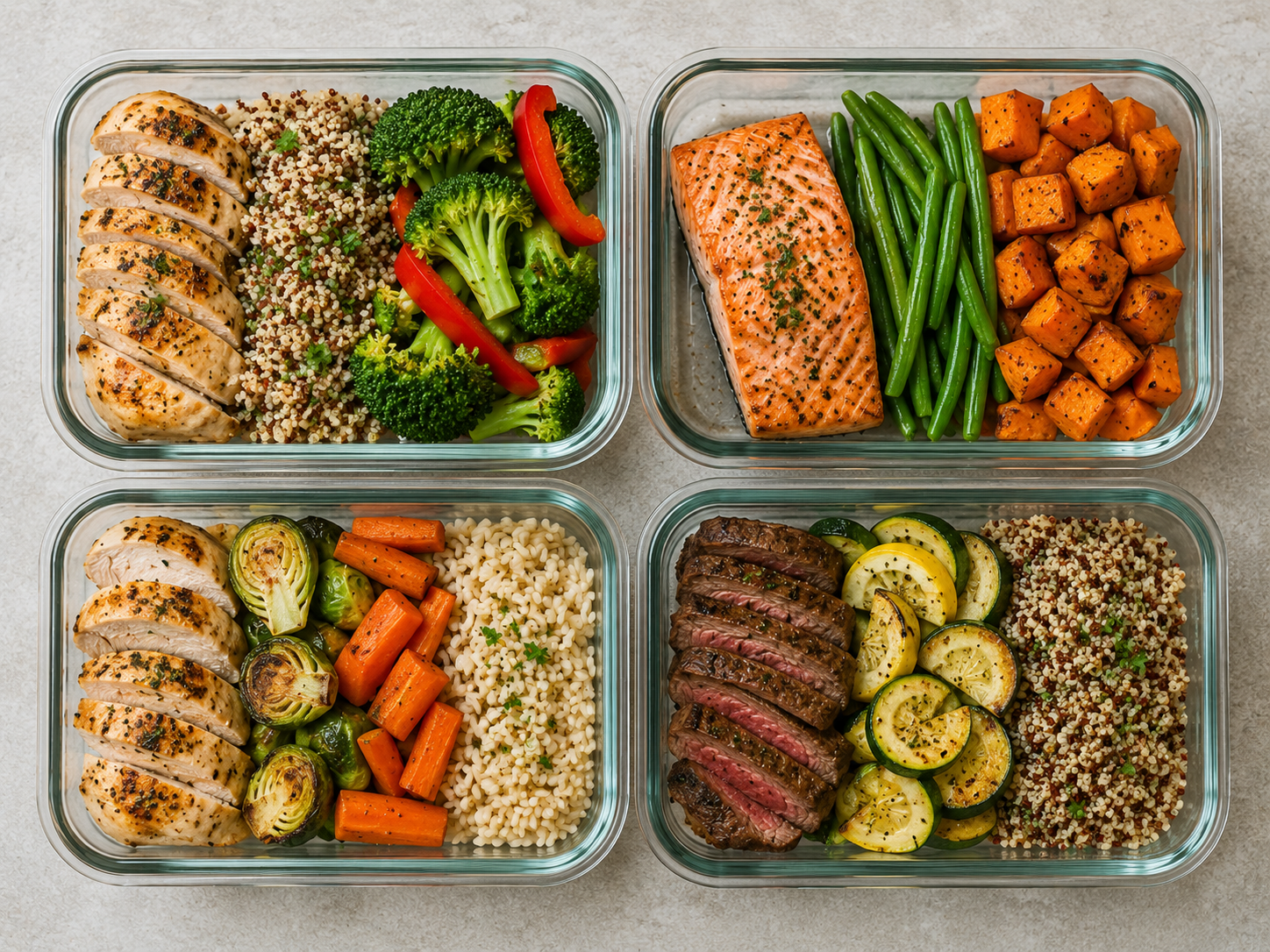
| Dinner | Protein (fish, chicken, or legumes) + non-starchy vegetables + small portion of whole grain or sweet potato + berberine 500mg (if taking third dose) | Protein and fat blunt the glycaemic response of the grain or starch; berberine with the meal targets the evening spike — often the most significant of the day |
This is not about perfection. Building in two or three of these consistently is more valuable than attempting all of them for a week and burning out. Start with the post-meal walk and the breakfast change — those two alone address the two most significant daily blood sugar events for most adults.
Our broader guide to how to lower blood sugar naturally after 55 covers the full landscape of lifestyle strategies — including exercise, sleep, and stress management — that this food and supplement approach works best alongside. For a deeper look at the specific foods with the strongest evidence, our guide to foods that lower blood sugar naturally after 55 covers the full list with evidence ratings for each. And our detailed review of natural supplements to lower blood sugar goes deeper on the evidence and dosing for each supplement mentioned here.
- The foods with the strongest blood sugar evidence are oats (via beta-glucan fibre), legumes (low glycaemic index, high fibre and protein), leafy greens (magnesium-rich, near-zero carbohydrate load), and diluted apple cider vinegar taken before or with carbohydrate-containing meals.
- The supplements with the strongest evidence are berberine (targets AMPK, reduces liver glucose output, 37-RCT meta-analysis supports HbA1c reduction of 0.63%) and magnesium (supports insulin receptor sensitivity, particularly relevant after 55 when deficiency is very common).
- Foods and supplements work best when they target different mechanisms simultaneously — fibre slowing absorption, berberine improving cellular uptake, magnesium supporting insulin signalling, and a post-meal walk activating direct glucose absorption into muscle.
- After 55, declining stomach acid and medication use (especially proton pump inhibitors and diuretics) reduce magnesium absorption from both food and supplements — taking supplements with meals and discussing your medication list with your doctor is important for getting real benefit.
- Berberine interacts with several common medications including metformin, warfarin, and statins — discuss with your doctor before starting, particularly if you are already on any diabetes or cardiovascular medication.
- Cinnamon has insufficient evidence to recommend for blood sugar management — the ADA’s 2026 Standards of Care explicitly do not recommend it for glycaemic benefit. Enjoy it as a flavour, but do not rely on it as an active strategy.
Get Our Free Guide: 7 Natural Ways to Support Healthy Blood Sugar After 55
Join adults over 55 receiving our free weekly blood sugar guide — practical, honest strategies including how to combine foods and supplements for the best results.
Frequently Asked Questions
What foods lower blood sugar naturally the fastest?
No single food lowers blood sugar rapidly in the way that medication can — and any claim along those lines should be treated with scepticism. What foods do well is prevent or blunt blood sugar spikes in the hours after eating. In that sense, the fastest-acting natural food approach is taking diluted apple cider vinegar immediately before a starchy meal, combined with including fibre (from oats, legumes, or vegetables) at that meal. These slow the rate at which glucose enters the bloodstream from that meal, so the spike that follows is lower and shorter. This is not “lowering” blood sugar so much as preventing it from rising unnecessarily high in the first place.
Can I get the same benefit from food that I’d get from a berberine supplement?
Not really — for berberine specifically. Berberine is not found in meaningful amounts in common foods. You cannot replicate a 500mg berberine supplement through diet. This is different from magnesium, where a well-constructed diet genuinely can deliver adequate amounts. Berberine is one case where food and supplement genuinely are separate tools rather than interchangeable ones. That said, the lifestyle and dietary foundation matters enormously — berberine shows stronger effects in people who are also eating well and exercising. It amplifies a good foundation; it does not replace one.
Is apple cider vinegar safe to take every day?
For most people, yes — when diluted properly (one to two tablespoons in a full glass of water). The main risks of daily undiluted use are erosion of tooth enamel and irritation of the oesophagus (food pipe), both of which can be avoided by always diluting and using a straw if possible. People with gastroparesis (a condition where the stomach empties too slowly, sometimes associated with long-standing diabetes) should use caution — ACV further slows gastric emptying and can worsen symptoms. And as noted earlier, interactions with diuretics and diabetes medications require specific discussion with your doctor if these apply to you.
How long does it take for food changes to affect blood sugar?
Post-meal effects are visible within the same day — if you add a post-meal walk and a high-fibre breakfast, your blood glucose readings after those specific meals will be measurably lower on that same day. Longer-term effects on HbA1c — your three-month average — take at least 8–12 weeks of consistent change to show up in a meaningful way, because HbA1c reflects a 90-day rolling average. Do not judge dietary changes by how you feel after a week. Judge them by where your three-month reading is heading at your next doctor visit or home A1C test.
Should I tell my doctor I’m taking berberine?
Yes — especially if you are on any prescribed medication. Berberine has real, documented interactions with metformin, warfarin, certain statins, and drugs that are broken down by the same liver enzymes berberine uses. This is not a supplement your doctor needs to approve — supplements are your choice — but they need to know you are taking it so they can monitor your blood sugar, review your medication list for interactions, and interpret any test results accurately. The same applies to ACV used regularly. Keeping your doctor informed is not about getting permission; it is about getting safe care.