

Founder, HealthAfter55.com — Richard researches natural health strategies for adults over 55, with a focus on blood sugar, energy, and healthy ageing. He is not a medical professional. Always consult your doctor before making health changes.
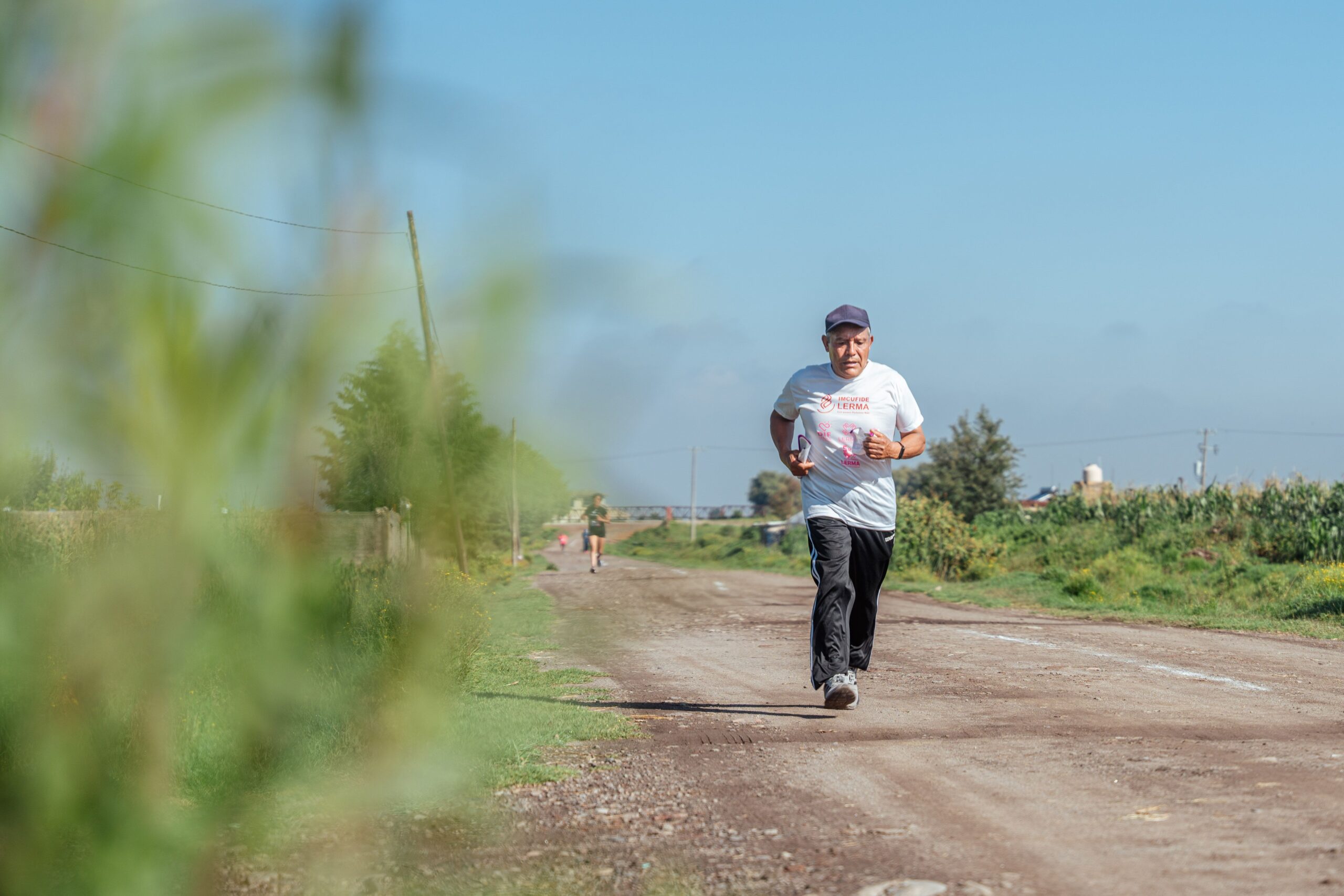
If your doctor has mentioned your blood sugar is “a little high,” or that you might be “borderline” — what is insulin resistance is probably one of the first questions you have searched. It is also one of the most important things to understand, because insulin resistance is almost always what is driving those borderline numbers. And catching it early — before it becomes prediabetes or type 2 diabetes — is when you have the most room to do something about it naturally.
The National Institute of Diabetes and Digestive and Kidney Diseases estimates that 97.6 million American adults have prediabetes — and the vast majority have insulin resistance driving it. The condition often has no obvious symptoms. Most people do not know they have it until a routine blood test shows their numbers are creeping in the wrong direction.
This guide explains what insulin resistance actually is in plain English, why it becomes much more common and more difficult to manage after 55, what the warning signs look like, and — most importantly — what genuinely works to improve it naturally. This is not a list of supplements. It is a practical, evidence-based guide for adults over 55 who want to understand what is happening in their body and what to do about it.
🗓️ Last reviewed and updated: June 2026
Insulin resistance means your cells have stopped responding properly to insulin — the hormone that moves sugar from your blood into your cells for energy. As a result, sugar builds up in your blood and your body produces more and more insulin trying to compensate. Over time this cycle leads to prediabetes and, if left unaddressed, type 2 diabetes. It often causes no noticeable symptoms. After 55, insulin resistance becomes significantly more common due to muscle loss, hormonal changes, and reduced physical activity. The good news: for most adults in the early stages, it can be meaningfully improved — and in some cases reversed — through lifestyle changes.
Get Our Free Guide: 7 Natural Ways to Help Support Healthy Blood Sugar After 55
Practical, research-backed strategies for adults over 55 — including the lifestyle changes with the strongest evidence for improving insulin resistance. Delivered straight to your inbox.
- What Insulin Does — and What Goes Wrong
- Why Insulin Resistance Gets Worse After 55
- Warning Signs and How It Is Diagnosed
- Insulin Resistance, Prediabetes, and Type 2 Diabetes — What’s the Difference?
- Can Insulin Resistance Be Reversed Naturally?
- Exercise: The Most Powerful Tool Available
- Diet: What to Eat and What to Reduce
- Sleep and Stress: The Two Factors Most People Overlook
- Natural Supplements: What the Evidence Shows
- Frequently Asked Questions
What Is Insulin Resistance — and What Does Insulin Actually Do?
To understand insulin resistance, you need to understand what insulin does when everything is working normally.
Insulin is a hormone made by your pancreas — a gland that sits just behind your stomach. Every time you eat carbohydrates, your blood sugar rises. Your pancreas detects this and releases insulin into the bloodstream. Insulin then acts like a key, unlocking the doors of your cells — particularly your muscle cells and liver — so that sugar can move out of the blood and into those cells, where it is used for energy. When this works well, your blood sugar rises after eating and then comes back down within a couple of hours.
Insulin resistance is what happens when those cell doors stop responding to the key properly. Your pancreas releases insulin, but the cells ignore the signal — or respond much more weakly than they should. Sugar stays in the bloodstream longer than it should. The pancreas notices blood sugar is still too high and releases more insulin to compensate. For a while, this works — your blood sugar stays in a roughly normal range, but only because your pancreas is working overtime.
Over time, two things happen. First, the pancreas cannot keep up — it gets exhausted trying to produce enough insulin to overcome the resistance. Second, blood sugar starts staying elevated — which is when prediabetes and eventually type 2 diabetes develop.
Why Insulin Resistance Gets Worse After 55 — What Changes in Your Body
Most articles on insulin resistance treat it as something that just happens to people who are overweight or sedentary. That misses what is actually happening in older adults — because there are biological changes that occur after 55 that make insulin resistance significantly more likely and harder to shift, even in people who eat reasonably well and stay active.
Muscle loss — the biggest factor most people don’t know about
Your muscle tissue is your body’s primary glucose disposal site. When you eat carbohydrates and blood sugar rises, it is primarily your muscles that absorb that sugar — pulling it out of the bloodstream and using it for energy or storing it as glycogen (a form of stored energy).
After the age of 60, most adults lose muscle mass at an accelerating rate — a process called sarcopenia. A 2024 clinical review confirmed that the prevalence of insulin resistance is significantly higher in older adults, and that the changes in body composition that come with age — specifically the loss of lean muscle and the increase in fat, particularly around the abdomen — are likely the primary driver of this increase. Less muscle means less capacity to absorb blood sugar. The same meal that your body handled easily at 45 becomes harder to clear at 65.
Hormonal changes
After 55, both men and women experience significant hormonal shifts. In women, the decline of oestrogen during and after menopause is associated with increased storage of fat around the abdomen — the type of fat most closely linked to insulin resistance. In men, declining testosterone similarly reduces muscle mass and increases abdominal fat. These are not character flaws or failures of willpower. They are biological changes that directly affect how efficiently the body manages blood sugar.
Reduced physical activity
Activity levels naturally tend to decrease with age — due to joint pain, fatigue, the demands of retirement or caregiving, or simply habit changes. Physical activity is one of the most powerful stimulators of glucose uptake in muscle — independent of insulin. Every time you move your muscles, they absorb sugar from the bloodstream directly, bypassing the insulin pathway entirely. Less movement means less of this backup system is available.
Chronic low-grade inflammation
Ageing is associated with a gradual increase in low-level inflammation throughout the body. This inflammation interferes with insulin signalling at the cellular level — making cells less responsive to insulin’s signal. Visceral fat (the fat stored around your internal organs, measured by waist circumference) actively produces inflammatory compounds that worsen this process. This is why waist circumference is a stronger predictor of insulin resistance than overall body weight.
Warning Signs of Insulin Resistance — and How It Is Diagnosed
Here is the difficult truth about insulin resistance: most people who have it feel perfectly fine. There is no pain, no obvious signal, no moment where something clearly feels wrong. This is why so many people do not know they have it until a routine blood test reveals borderline numbers — often at a check-up they almost skipped.
Physical signs that may appear over time
A small number of people develop visible physical signs, though these are more common once insulin resistance has been present for some time:
- Dark, velvety patches of skin on the back of the neck, armpits, or groin — called acanthosis nigricans. This is not a bruise or a rash. It looks like a darkened, slightly thickened area of skin that does not wash off. It is caused by high insulin levels stimulating skin cell growth and is a visible marker that insulin resistance has been present for a while.
- Skin tags — small, soft, benign growths of skin, particularly around the neck and armpits. These are associated with high insulin levels.
- Unexplained weight gain around the middle — particularly fat that accumulates around the waist rather than elsewhere. A waist measurement above 102 cm (40 inches) for men or 88 cm (35 inches) for women signals increased risk.
Symptoms that are easy to miss
- Persistent fatigue — particularly after meals, when blood sugar rises but cells cannot absorb it efficiently
- Strong carbohydrate or sugar cravings — the brain interprets poor glucose uptake as hunger for more quick energy
- Difficulty concentrating — sometimes called “brain fog,” linked to poor glucose delivery to brain cells
- Increased hunger even after eating — because glucose is not entering cells effectively
How insulin resistance is diagnosed
There is no single standard blood test that directly measures insulin resistance in everyday clinical practice. Doctors instead look for its effects through a combination of:
| Test | What It Measures | Prediabetes Range |
|---|---|---|
| Fasting blood glucose | Blood sugar after not eating for at least 8 hours | 100–125 mg/dL (5.6–6.9 mmol/L) |
| HbA1c | Average blood sugar over the past 3 months | 5.7%–6.4% |
| Oral glucose tolerance test | Blood sugar 2 hours after drinking a sugary solution | 140–199 mg/dL |
| Waist circumference | Abdominal fat — a proxy for insulin resistance risk | >102 cm men / >88 cm women |
Insulin Resistance, Prediabetes, and Type 2 Diabetes — What Is the Difference?
These three terms are closely related but describe different stages of the same process. Understanding where you are matters, because the interventions — and the urgency — are different.
| Stage | What Is Happening | Blood Sugar | Reversible? |
|---|---|---|---|
| Insulin resistance | Cells responding poorly to insulin; pancreas compensating with extra production | May be normal | Yes — most improvable with lifestyle changes |
| Prediabetes | Insulin resistance progressing; blood sugar elevated but below diabetes threshold | Higher than normal | Yes — significant improvement possible; progression to diabetes not inevitable |
| Type 2 diabetes | Pancreas no longer compensating adequately; blood sugar chronically elevated | Consistently high | Significant improvement possible; full reversal less common but documented in some cases |
Almost everyone with prediabetes has insulin resistance. But not everyone with insulin resistance has prediabetes — in the early stages, the pancreas compensates well enough to keep blood sugar in the normal range. This is why insulin resistance can be present for years before blood tests show anything unusual.
The most important thing to understand: the earlier in this progression you catch it, the more reversible it is. Lifestyle changes at the insulin resistance stage can prevent prediabetes. Lifestyle changes at the prediabetes stage can prevent type 2 diabetes. That window is wide — and most adults over 55 are still in it.
What Is Insulin Resistance’s Trajectory — Can It Be Reversed Naturally After 55?
This is the question most people come to this article asking — and it deserves an honest answer rather than either false hope or unnecessary pessimism.
The evidence is genuinely encouraging, with important caveats. For adults with insulin resistance or prediabetes who have not yet developed type 2 diabetes, lifestyle changes — particularly exercise, dietary improvements, sleep, and stress management — can produce meaningful and sometimes dramatic improvements in how the body responds to insulin. In some cases, blood sugar returns to the normal range and stays there.
For adults with established type 2 diabetes, the same lifestyle changes can significantly reduce insulin resistance and improve blood sugar control — sometimes allowing medication doses to be reduced under medical supervision. Full reversal is less common at this stage but documented in some cases, particularly with significant weight loss.
Exercise: The Most Powerful Natural Tool for Insulin Resistance After 55
If there is one intervention with the strongest evidence base for improving insulin resistance in older adults, it is exercise — and specifically resistance training (also called strength training or weight training).
Why resistance training matters most after 55
Remember that muscle is your primary glucose disposal site. Resistance training — using weights, resistance bands, or your own body weight — directly builds and maintains the muscle tissue that absorbs blood sugar. It also makes existing muscle cells more sensitive to insulin, so they respond more readily when insulin signals them to absorb glucose.
A 2025 meta-analysis of 43 randomised controlled trials involving over 2,000 adults aged 50 and over found that resistance training significantly reduced markers of insulin resistance, reduced fasting blood glucose by an average of 6.99 mg/dL, reduced HbA1c by an average of 0.55%, increased muscle mass, and reduced systemic inflammation. Three sessions per week of up to 12 weeks showed the most consistent benefits. This is among the most robust exercise evidence specifically for the 50+ age group.
You do not need a gym or heavy weights to benefit. Resistance bands, bodyweight exercises (squats, push-ups, lunges), and exercises in a chair can all produce meaningful results. The key is progressive resistance — gradually making the exercise slightly more challenging over time.
Aerobic exercise also helps — and walking counts
Aerobic exercise — brisk walking, cycling, swimming, dancing — improves insulin sensitivity through a different mechanism. During aerobic activity, muscles absorb glucose directly without needing insulin at all. This immediate effect lasts for up to 24–48 hours after each session. A 2025 review of exercise modalities in older adults found that combined training — aerobic and resistance together — produces the most comprehensive improvements in glucose metabolism compared to either alone.
For adults over 55 who are just starting: 10–15 minutes of brisk walking after meals is one of the simplest and most evidence-supported things you can do to reduce post-meal blood sugar spikes. You do not need to exercise for hours. Consistency matters more than intensity.

Diet: What to Eat and What to Reduce for Insulin Resistance
Diet is the second most powerful lever for improving insulin resistance — and the research has become much clearer in recent years about what actually works. The focus is less on eliminating entire food groups and more on choosing foods that avoid large blood sugar spikes and support a healthy body composition.
Reduce refined carbohydrates and added sugar
Refined carbohydrates — white bread, white rice, pasta, pastries, breakfast cereals, sugary drinks — digest quickly and cause large, rapid rises in blood sugar. Every time blood sugar spikes sharply, your pancreas has to release a large amount of insulin. Over years, this repeated demand worsens insulin resistance. Reducing these foods — not necessarily eliminating them, but reducing the frequency and portion size — is the dietary change with the clearest evidence for improving insulin sensitivity.
A comprehensive overview of meta-analyses on low-carbohydrate diets found consistent reductions in HbA1c and fasting blood glucose in adults with type 2 diabetes who reduced carbohydrate intake, with the strongest effects in the first three months. Importantly, these were low-to-moderate carbohydrate diets — not extreme elimination. The ADA’s current guidelines acknowledge that reducing carbohydrate intake has the strongest evidence for improving blood sugar control.
Prioritise protein and healthy fats
Protein does not raise blood sugar meaningfully and helps preserve the muscle mass that is so critical for glucose disposal after 55. At every meal, aim to include a palm-sized portion of protein — eggs, fish, chicken, legumes, Greek yoghurt, or cottage cheese. Healthy fats from olive oil, avocado, nuts, and oily fish slow the digestion of carbohydrates and reduce post-meal blood sugar spikes.
Focus on fibre
Fibre — found in vegetables, legumes, whole grains, and fruit — slows the absorption of glucose into the bloodstream, smoothing out blood sugar spikes after meals. It also feeds beneficial gut bacteria, which emerging research links to better insulin sensitivity. Adults over 55 typically eat well below the recommended 25–38 grams of fibre per day. Simply adding more vegetables to meals — particularly non-starchy ones like leafy greens, broccoli, cauliflower, and courgette — is one of the most effective ways to reduce post-meal blood sugar.
The meal composition approach
Rather than counting macros or eliminating foods, a practical approach for adults over 55 is to build every meal around this simple structure: half the plate vegetables or salad, a quarter lean protein, a quarter complex carbohydrate (sweet potato, brown rice, legumes). This naturally reduces refined carbohydrate intake, increases fibre and protein, and creates smaller, more manageable blood sugar responses after eating.
Sleep and Stress — The Two Factors Most People Overlook
Most information about insulin resistance focuses on diet and exercise. Far fewer articles address sleep and stress — even though both have direct, documented effects on insulin sensitivity.
Sleep deprivation worsens insulin resistance
Poor sleep is one of the most underappreciated drivers of insulin resistance. A systematic review of research on sleep and insulin resistance found that insufficient sleep is consistently associated with reduced insulin sensitivity, increased fasting blood glucose, and greater risk of developing type 2 diabetes. Even a single night of poor sleep can measurably reduce how well your cells respond to insulin the next day.
The mechanism is partly hormonal: poor sleep raises cortisol (a stress hormone) and ghrelin (a hunger hormone), both of which worsen insulin sensitivity and increase cravings for sugary, high-carbohydrate foods. Poor sleep also affects how the liver manages glucose overnight. Adults over 55 are particularly affected because sleep quality naturally declines with age — lighter sleep, more frequent waking, and earlier waking are all more common after 55.
Practical steps: aim for 7–9 hours of sleep per night. Go to bed and wake at consistent times — irregular sleep patterns appear to be almost as damaging as short sleep. Keep the bedroom cool and dark. Avoid screens for the hour before bed. If you have sleep apnoea — which is more common after 55 and directly worsens insulin resistance — discuss treatment with your doctor.
Chronic stress raises blood sugar
When you are stressed — physically or emotionally — your body releases cortisol and adrenaline. These stress hormones signal the liver to release glucose into the bloodstream (preparing the body for a “fight or flight” response). In a person with normal insulin sensitivity, this blood sugar release is managed efficiently. In someone with insulin resistance, it is not — and chronically elevated cortisol from ongoing stress can meaningfully worsen blood sugar control over time.
Stress management does not need to mean meditation (though that is well-supported). It can mean regular time outdoors, social connection, gentle movement, or simply reducing unnecessary commitments. The evidence for mindfulness and slow breathing in reducing cortisol and improving blood sugar markers is growing, and these approaches are accessible to most adults over 55.
Natural Supplements for Insulin Resistance — What the Evidence Shows
Diet, exercise, sleep, and stress management are the foundations. Supplements are additional support — they are not a substitute for lifestyle changes and should not be treated as one. That said, several natural supplements do have meaningful evidence behind them for supporting insulin sensitivity, particularly in adults who are deficient in specific nutrients.
The supplements with the strongest evidence for insulin resistance are berberine (which activates AMPK, the same metabolic pathway as metformin), magnesium (deficiency is extremely common in adults over 55 and directly impairs insulin signalling), and to a lesser degree cinnamon (Ceylon variety) and chromium. All carry interaction risks with medications, so discuss with your doctor before starting.
For a detailed, evidence-based comparison of which natural supplements have the strongest research behind them for blood sugar and insulin resistance, our guide to supplements to lower blood sugar naturally covers each one honestly — including what the evidence does and does not show.
- Insulin resistance means your cells have stopped responding properly to insulin — sugar builds up in the bloodstream because it cannot get into cells efficiently.
- After 55, insulin resistance becomes significantly more common due to muscle loss, hormonal changes, reduced activity, and increased inflammation — not personal failure.
- Most people with insulin resistance have no obvious symptoms. A fasting blood glucose test and HbA1c are the most practical way to detect it — ask for these at your next check-up.
- Insulin resistance → prediabetes → type 2 diabetes is a progression, not an inevitability. Lifestyle changes at any stage can slow or reverse this trajectory.
- Resistance training (strength/weight training) is the single most evidence-backed intervention for older adults — a 2025 meta-analysis of 43 RCTs in adults 50+ confirmed significant improvements in blood sugar, insulin sensitivity, and muscle mass.
- Reducing refined carbohydrates, prioritising protein and fibre, improving sleep quality, and managing chronic stress all have meaningful clinical evidence for improving insulin sensitivity.
- Natural supplements can support lifestyle changes but do not replace them. Berberine and magnesium have the strongest evidence; both carry interaction risks with medications.
Get Our Free Guide: 7 Natural Ways to Help Support Healthy Blood Sugar After 55
A practical, honest guide to the lifestyle strategies with the strongest evidence for improving insulin resistance and blood sugar after 55 — including what to eat, how to move, and what to ask your doctor. Delivered straight to your inbox.
Frequently Asked Questions
What is insulin resistance in simple terms?
Insulin resistance means your body produces insulin normally, but your cells stop responding to it properly. Think of insulin as a key that unlocks your cells to let sugar in for energy. In insulin resistance, the locks become stiff — it takes more and more insulin to get the same result. Over time the pancreas struggles to keep up, and blood sugar starts rising. It often feels like nothing at first, which is why regular blood tests are so important after 55.
What are the early warning signs of insulin resistance?
Most people have no obvious symptoms in the early stages. Some people notice persistent fatigue — particularly after meals — strong sugar cravings, difficulty concentrating, or unexplained weight gain around the middle. Visible signs like dark, velvety patches of skin on the back of the neck or armpits (a condition called acanthosis nigricans — pronounced ak-an-THO-sis NIH-grih-kans — which looks like darkened, slightly thickened skin that does not wash off) or small skin tags can appear, but these are more common once insulin resistance has been present for some time. The most reliable way to detect it is a fasting blood glucose test and HbA1c at your next doctor’s appointment.
Can you reverse insulin resistance after 55?
Yes — meaningful improvement is well-supported by evidence for most adults over 55, even those who have had borderline blood sugar for some time. The interventions with the strongest evidence are resistance training, reducing refined carbohydrates, improving sleep quality, and managing chronic stress. For adults with insulin resistance or prediabetes who have not yet developed type 2 diabetes, lifestyle changes can bring blood sugar back to normal and keep it there. The earlier you start, the more room you have to work with.
What foods should I avoid with insulin resistance?
Focus less on avoidance and more on reduction. The foods that most consistently worsen insulin resistance are refined carbohydrates — white bread, white rice, sugary breakfast cereals, pastries, and sugary drinks — because they cause large, rapid blood sugar spikes. Ultra-processed foods that combine refined carbohydrates with unhealthy fats (chips, biscuits, fast food) are also worth reducing significantly. You do not need to eliminate these foods entirely, but reducing how often and how much you eat them makes a meaningful difference over time.
Is walking enough to improve insulin resistance?
Walking is a good starting point and better than nothing — especially a 10–15 minute walk after meals, which has good evidence for reducing post-meal blood sugar spikes. However, the research is clear that resistance training (strength/weight training) produces greater and more lasting improvements in insulin sensitivity in older adults than walking alone, primarily because it builds and maintains the muscle tissue that absorbs blood sugar. The ideal approach is to combine both — regular walking for daily movement and two to three resistance sessions per week.
What is the difference between insulin resistance and prediabetes?
Insulin resistance is the underlying condition — cells responding poorly to insulin. Prediabetes is the next stage, where blood sugar has risen above normal (but not yet to diabetes levels) because insulin resistance has progressed far enough that the pancreas can no longer fully compensate. Almost everyone with prediabetes has insulin resistance, but insulin resistance can be present for years before prediabetes develops. Catching it at the insulin resistance stage — before blood sugar rises noticeably — gives you the most room to address it through lifestyle changes.
For information on the symptoms that may indicate insulin resistance has progressed, our article on insulin resistance symptoms covers the warning signs in detail for adults over 55.