

Founder, HealthAfter55.com — Richard researches natural health strategies for adults over 55, with a focus on blood sugar, energy, and healthy ageing. He is not a medical professional. Always consult your doctor before making health changes.
Most people know that cake and candy raise blood sugar. But some of the foods that spike blood sugar the most are ones you’d never suspect — foods that carry a health halo, foods that have been sitting in your kitchen for years, foods that feel like the sensible choice. After 55, the stakes are higher than they used to be. Research confirms that the same meal you handled easily at 40 can trigger a significantly larger blood sugar response today — not because you’ve done anything wrong, but because your body’s ability to manage glucose changes with age. Your pancreas produces insulin less efficiently, your cells become less responsive to it, and with less muscle mass to absorb glucose after meals, spikes hit harder and last longer. Understanding which foods are the worst offenders is one of the most practical things you can do for your health right now.
📋 Free Guide: 7 Natural Ways to Help Support Healthy Blood Sugar After 55
Knowing what to avoid is just one piece of the picture. Get our free guide covering 7 research-backed strategies for adults over 55 — including what to eat, how to move, and more.
Quick Answer
The foods that spike blood sugar most after 55 are not just the obvious ones like candy and soft drinks. White bread, flavoured yogurt, fruit juice, oat milk, white rice, and dried fruit all cause significant glucose spikes — often more than people expect. After 55, your body clears these spikes more slowly than it did at 40, making food choices more important than ever. Pairing carbohydrates with protein, fat, or fibre at every meal is one of the most effective ways to reduce their impact.
What’s In This Guide
- Why Blood Sugar Spikes Hit Harder After 55
- The Surprising “Healthy” Foods That Spike Blood Sugar
- Fruit Juice and Smoothies: Not as Healthy as You Think
- White Bread, Rice, and Pasta: The Obvious Offenders
- Hidden Sugars: Where They’re Lurking in Your Kitchen
- The Delayed Spike Foods Most People Miss
- What to Eat Instead: Simple Swaps That Make a Difference
- Frequently Asked Questions
Why Blood Sugar Spikes Hit Harder After 55
Before we get into the foods themselves, it helps to understand what’s actually changed in your body — because the same breakfast that felt perfectly fine at 40 may now leave you foggy, tired, and craving something sweet an hour later.
A study published in the Journal of the American Geriatric Society measured day-long blood glucose and insulin levels in younger adults (average age 38) and older adults (average age 64) eating identical meals. The result was clear: older adults had significantly higher day-long plasma glucose levels after the same food. The reason isn’t a mystery. Research published in PMC (NIH) confirms that after 55, postprandial insulin secretion becomes irregular — the amplitude of insulin pulses drops, and beta-cell sensitivity to incretin hormones decreases. In plain English: your body is slower to respond when blood sugar rises after a meal. (PubMed: Fraze et al., 1987)
On top of that, muscle mass naturally declines with age — and skeletal muscle is one of the primary places glucose goes after a meal. Less muscle means less capacity to absorb that glucose, so it stays in your bloodstream longer. This is not a disease. It is a normal part of ageing. But it does mean the foods you eat matter more now than they ever did before.
What This Means For You After 55
The same portion of rice, bread, or juice that felt fine ten years ago may now cause a noticeably larger blood sugar spike — and it takes longer to come back down. This is why even “small” dietary changes can make a meaningful difference to how you feel day to day. You are not overreacting. Your body has genuinely changed.
The Surprising “Healthy” Foods That Spike Blood Sugar
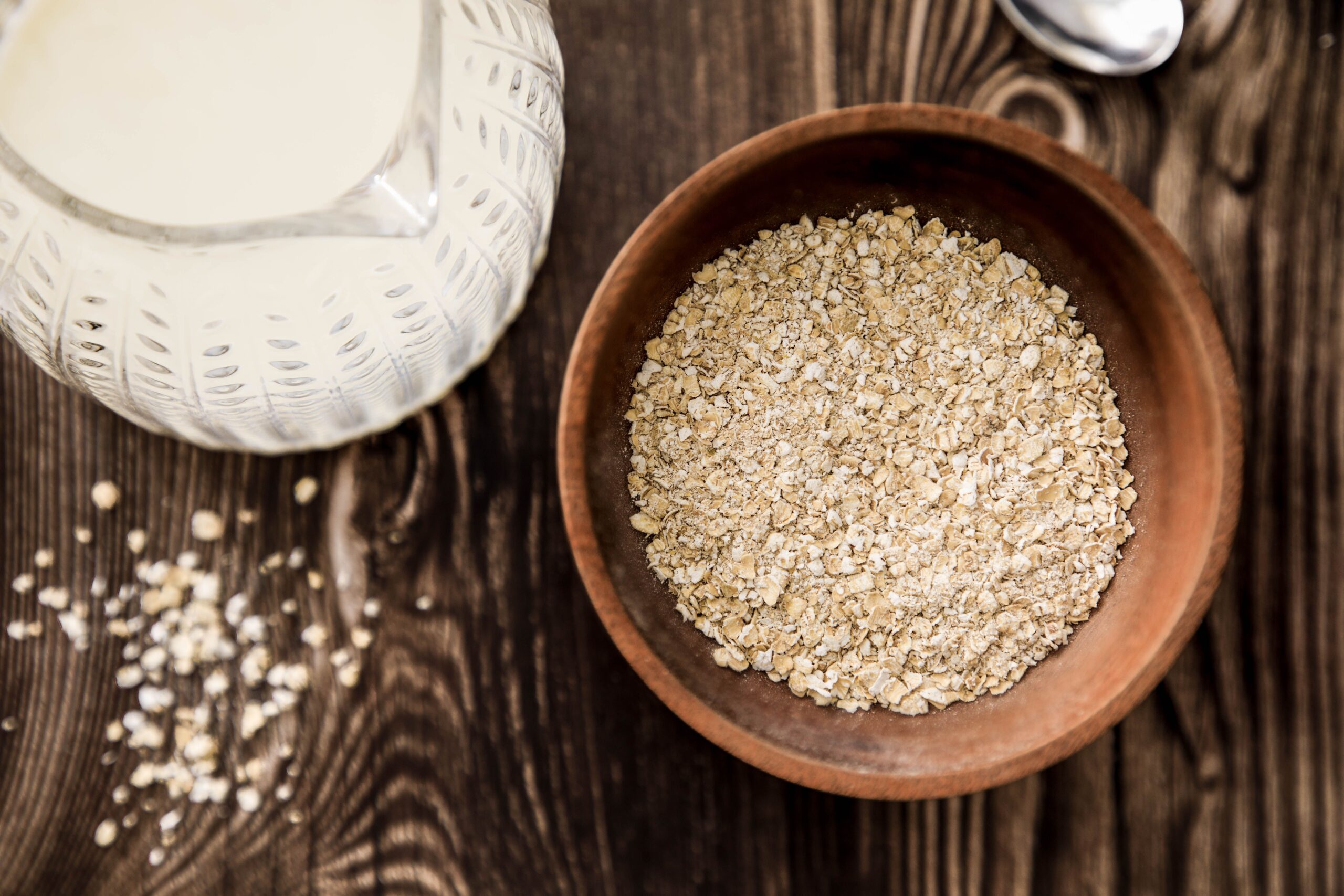
These are the foods that catch people off guard — the ones that feel like the sensible, health-conscious choice. The truth is more complicated.
Oat Milk
Oat milk has become enormously popular as a dairy alternative, and it does have some benefits. But it is surprisingly high in starches that break down quickly into simple sugars during digestion. Nutritionally, it can behave much like liquid glucose in the bloodstream — especially the sweetened varieties. If you use oat milk in your morning coffee or cereal, this combination may be contributing to an energy crash mid-morning. Unsweetened almond milk, coconut milk, or full-fat dairy are significantly lower-glycaemic alternatives.
Flavoured Yogurt
Plain Greek yogurt is genuinely good for blood sugar — high in protein, which slows glucose absorption. But most commercial flavoured yogurts are a different story. Many single-serve flavoured yogurts contain as much sugar as a chocolate bar, and the “low fat” label often means extra sugar has been added to compensate for the missing fat. Always check the sugar content per serve on the label. Plain Greek yogurt with a small handful of berries and some nuts is a far better option.
Brown Rice
Brown rice is often held up as the healthy alternative to white rice — and it is marginally better, with a glycemic index of around 55 compared to white rice’s 64. But in practice, a standard serve of brown rice still causes a significant blood sugar rise, particularly when eaten on its own. The fibre advantage over white rice is real but modest. Portion size matters enormously here, as does what you eat alongside it.
What This Means For You After 55
Many of the foods marketed as “healthy” were designed for a general adult population — not specifically for adults over 55 with changing glucose metabolism. Reading labels and understanding that “natural,” “low fat,” and “whole grain” do not automatically mean blood sugar friendly is one of the most important shifts you can make.
Fruit Juice and Smoothies: Not as Healthy as You Think
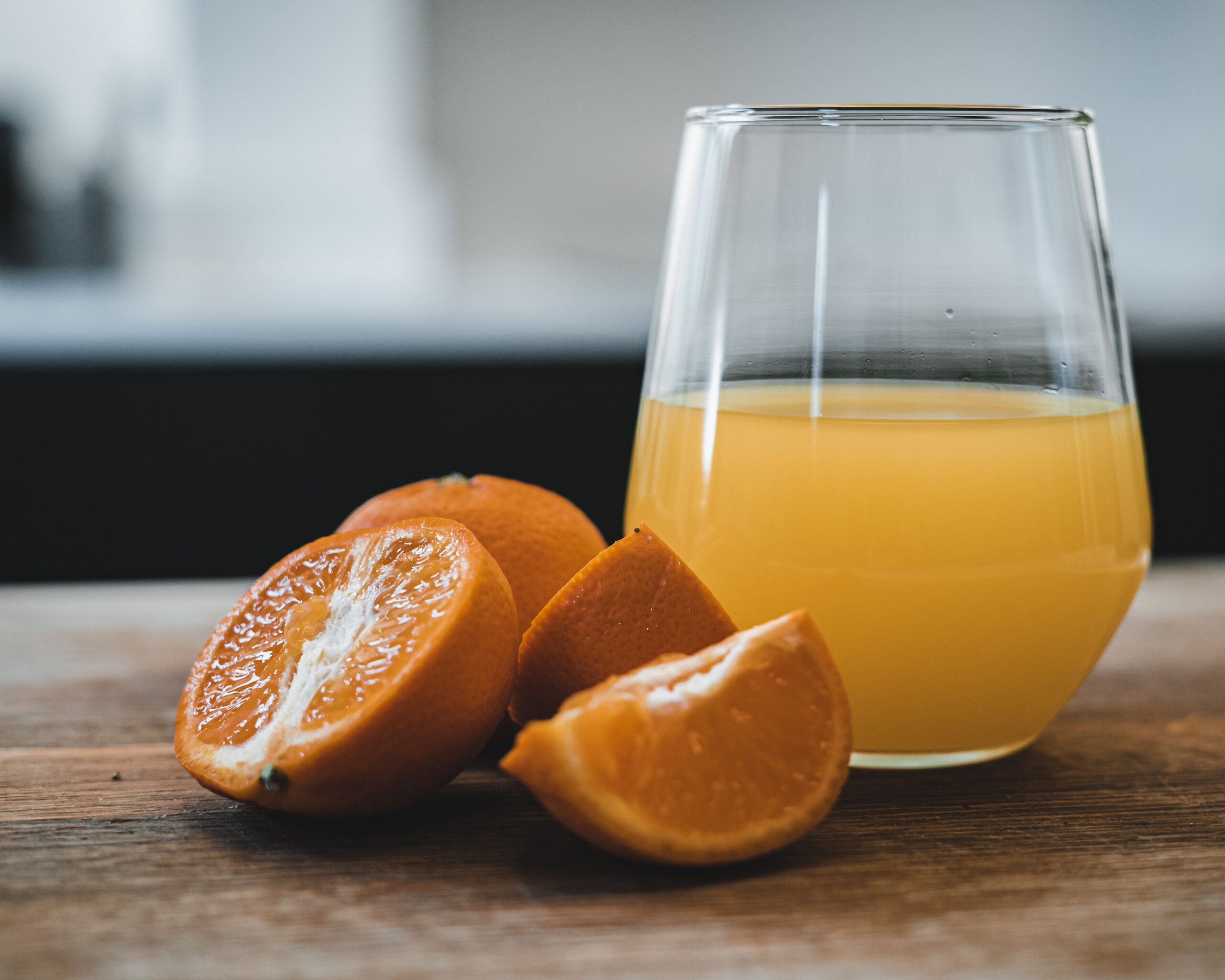
A glass of orange juice feels like a healthy way to start the day. It comes from fruit. It has vitamin C. It is what health-conscious people drink. But when fruit is turned into juice, most of the fibre is removed — and fibre is what slows sugar absorption in the digestive tract. Without it, the natural sugars in fruit hit your bloodstream very quickly.
A standard glass of orange juice contains around 22 grams of sugar with almost no fibre. Your body absorbs this much faster than it would absorb the same sugar from eating a whole orange, which comes packaged with fibre, volume, and chewing time — all of which slow digestion. Research published in the British Journal of Nutrition confirmed that the processing method of rice — and by extension other carbohydrates — significantly affects postprandial glucose response, reinforcing that how food is prepared and consumed changes its entire blood sugar impact. (PubMed: Boers et al., 2015)
Commercial smoothies are often even worse than juice — blending removes fibre structure, and many store-bought smoothies contain multiple serves of fruit plus added sugars. If you enjoy fruit in the morning, eating a whole piece of fruit alongside protein (such as eggs or Greek yogurt) is a much better approach than drinking it.
Worth Knowing
The DECODE Study found that postprandial hyperglycemia — blood sugar spikes after meals — is more common in older adults than in younger adults, and is one of the strongest predictors of cardiovascular mortality. What you drink with breakfast matters as much as what you eat.
What This Means For You After 55
Swap fruit juice for whole fruit paired with protein. If you enjoy a smoothie, make it yourself with a small amount of low-glycaemic fruit (berries are ideal), Greek yogurt, a handful of spinach, and some ground flaxseed. The fibre and protein change the entire blood sugar response.
White Bread, Rice, and Pasta: The Obvious Offenders

These are the foods most people already know about — but they are worth understanding more deeply, because the mechanism matters for making better choices.
White bread, white rice, and regular pasta are made from refined flour that has been stripped of its fibre and most of its nutrients. Without fibre, these foods digest very quickly — glucose enters your bloodstream rapidly, triggering a fast and high insulin response. The American Medical Association highlights a counterintuitive finding worth knowing: a bagel can cause a higher blood sugar rise than a glazed doughnut. Not because the doughnut is healthy, but because the bagel has a greater mass of carbohydrate and therefore a higher glycaemic load. (AMA: Foods That Spike Blood Glucose)
Whole wheat bread is better than white — but not by as much as most people believe. Many commercial whole wheat breads are made from finely milled flour that digests almost as quickly as white flour. The ones worth choosing are dense, seeded, or sprouted-grain breads where you can see and feel the whole grain structure. If it’s soft and fluffy, it likely has a high glycaemic impact regardless of what the label says.
A Simple Rule for Refined Carbs
Never eat refined carbohydrates alone. Pairing bread, rice, or pasta with protein (chicken, eggs, fish, legumes), healthy fat (olive oil, avocado, nuts), or fibre (vegetables, salad) significantly slows the rate at which glucose enters your bloodstream. The food combination matters as much as the food itself.
What This Means For You After 55
Toast with eggs is a much better blood sugar choice than toast with jam — even if the bread is the same. Adding protein or fat to every carbohydrate-containing meal is one of the simplest and most effective habits you can build. It does not require giving up the foods you enjoy — just changing what you eat alongside them.
Hidden Sugars: Where They’re Lurking in Your Kitchen
Manufacturers use dozens of different names for added sugar on ingredient lists — which makes it very easy to consume far more than you realise. Some of the most common hiding places are foods that feel savoury or nutritious.
| Food | Hidden Sugar Source | Better Alternative |
|---|---|---|
| Tomato sauce (jar) | Added sugar is often the 2nd or 3rd ingredient | Make your own with canned tomatoes and herbs |
| Flavoured yogurt | Up to 20g+ sugar per serve in many brands | Plain Greek yogurt with fresh berries |
| Muesli / granola | Honey, brown sugar, or syrup binders | Plain oats with nuts and cinnamon |
| Protein bars | Brown rice syrup, cane sugar, oat binders | Handful of nuts and a piece of cheese |
| Flavoured oat milk | Added cane sugar in most varieties | Unsweetened almond or coconut milk |
| Bottled salad dressing | Sugar added to most commercial dressings | Olive oil, lemon juice, and mustard |
| Ketchup | Sugar is typically the second ingredient | Fresh salsa or mustard |
The names to watch for on ingredient labels include: sugar, glucose, fructose, sucrose, dextrose, maltose, corn syrup, high fructose corn syrup, brown rice syrup, agave nectar, honey, and evaporated cane juice. They all have the same effect on your blood sugar regardless of how natural or wholesome they sound.
What This Means For You After 55
Spending two minutes reading the ingredient list — not just the nutrition panel — on packaged foods is one of the highest-value habits you can build. If any form of sugar appears in the first three ingredients, it is a significant source of added sugar regardless of how the product is marketed.
The Delayed Spike Foods Most People Miss
Some foods do not spike blood sugar immediately — they cause a delayed rise hours after eating. This is one of the least understood aspects of blood sugar management, and it catches many people completely off guard.
Fried foods are the most common example. Because they are high in both fat and carbohydrate, the fat slows initial digestion — which can make them seem like a stable choice. But several hours after eating, that fat triggers the liver to release glucose via a hormone called glucagon, causing a blood sugar rise long after the meal is over. This delayed mechanism is also why a greasy takeaway meal can affect how you feel the next morning.
Dried fruit is another common delayed spike food. Without the water content of fresh fruit, the natural sugars in dried fruit are far more concentrated. A small handful of raisins contains roughly the same sugar as a large bunch of grapes — in a fraction of the volume, eaten in a fraction of the time. The speed of consumption combined with the concentrated sugar load creates a significant spike that many people do not associate with what they ate an hour earlier.
Large portions of starchy vegetables — particularly potatoes — also fall into this category. A study from Stanford Medicine found significant individual variability in how participants responded to potatoes specifically, with the highest spikes occurring in those who already had some degree of insulin resistance. Chilling cooked potatoes before eating them (as in a potato salad) actually lowers their glycaemic impact by increasing resistant starch content. (Stanford Medicine, 2025)
What This Means For You After 55
If you feel unusually tired or foggy two to three hours after a meal — even a meal that felt reasonable at the time — a delayed blood sugar spike may be the reason. Fried foods, dried fruit, and large portions of starchy foods are the most common culprits. Keeping a brief food and energy diary for one week can reveal patterns that are otherwise very hard to spot.
What to Eat Instead: Simple Swaps That Make a Difference
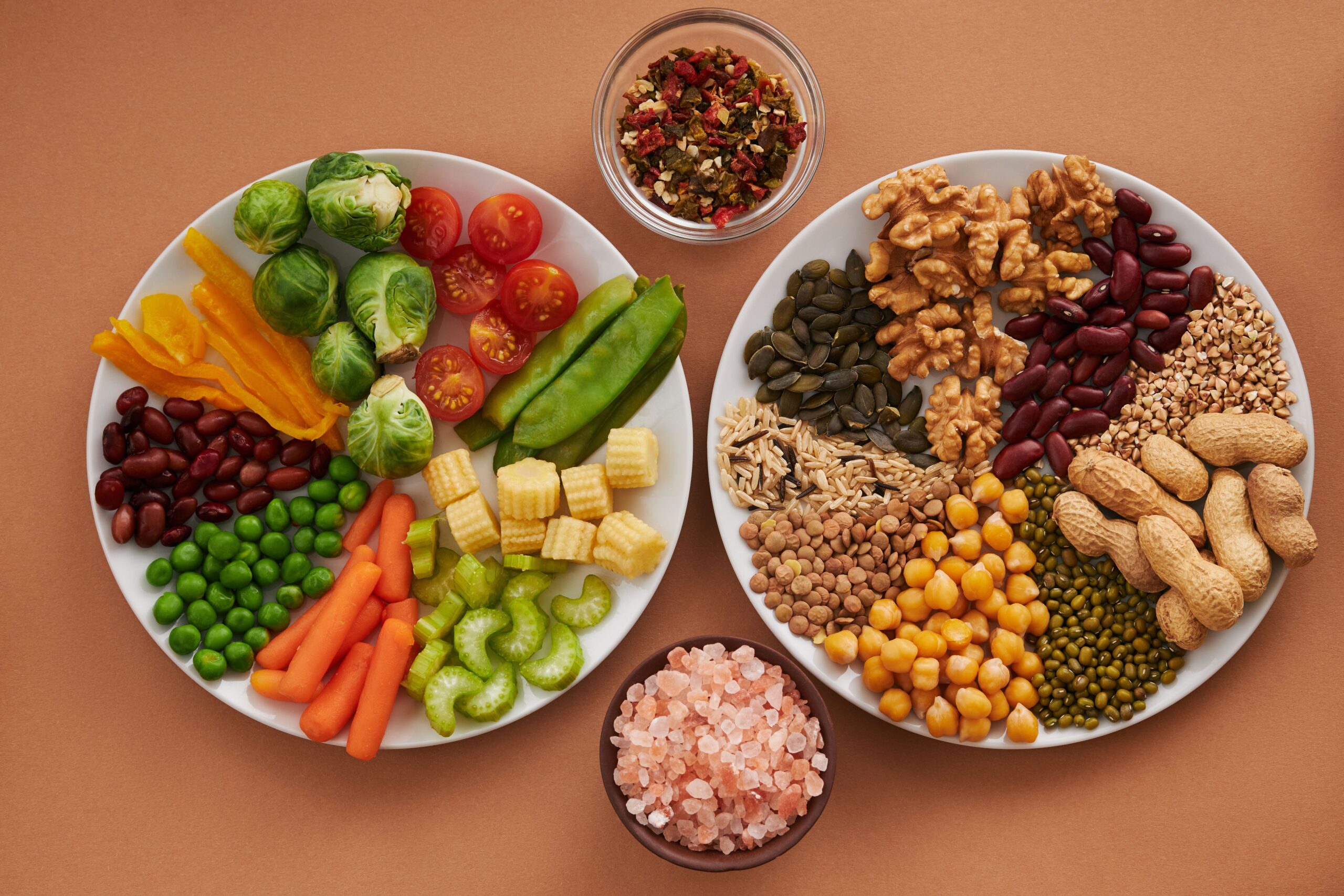
The goal is not to build a list of forbidden foods. It is to understand which swaps give you the most benefit with the least disruption to your daily life. Small, consistent changes compound significantly over time — especially after 55 when your body’s response to food has changed.
The core principle is simple: slow down glucose absorption at every meal. You do this by ensuring that carbohydrates are always accompanied by protein, healthy fat, or fibre — ideally all three. This does not require eliminating any food group. It requires thinking about the combination rather than just the individual food.
Berries are one of the best fruit choices for blood sugar after 55 — low glycaemic index, high in fibre, and rich in anthocyanins that research suggests may support insulin sensitivity. A small handful of berries with Greek yogurt and a few walnuts is a genuinely blood sugar friendly breakfast or snack. Legumes — lentils, chickpeas, black beans — are another outstanding choice. They are high in fibre and protein, digest slowly, and have a very low glycaemic impact.
For more on this topic, see our guide to foods that lower blood sugar naturally after 55, our article on best snacks for prediabetes, and is honey bad for type 2 diabetes.
Key Takeaways
- After 55, the same foods cause larger blood sugar spikes than they did at 40 — this is a normal physiological change, not a failure
- Surprising “healthy” foods including oat milk, flavoured yogurt, and brown rice can all cause significant blood sugar rises
- Fruit juice removes the fibre that slows sugar absorption — eating whole fruit is always a better choice
- White bread, rice, and pasta digest rapidly; pairing them with protein, fat, or fibre significantly reduces their glycaemic impact
- Hidden sugars appear under dozens of names in packaged foods — always read the ingredient list, not just the nutrition panel
- Fried foods and dried fruit can cause delayed blood sugar spikes hours after eating
- The goal is not elimination — it is understanding combinations and making smarter swaps consistently
Want the Full Natural Blood Sugar Strategy?
Download our free guide — 7 Natural Ways to Help Support Healthy Blood Sugar After 55 — covering diet, movement, sleep, and more in a simple, practical format written specifically for adults your age.
Frequently Asked Questions
What foods cause the biggest blood sugar spikes?
The foods that cause the largest blood sugar spikes are those high in rapidly digestible carbohydrates with little fibre, protein, or fat to slow absorption. White bread, white rice, sugary drinks, fruit juice, flavoured yogurt, and processed snack foods are among the most significant. After 55, starchy foods like potatoes and refined grains tend to have an even greater impact because the ageing body clears glucose from the bloodstream more slowly. Pairing any carbohydrate with protein or fat reduces the spike significantly.
What foods should you avoid if you have prediabetes?
If you have prediabetes, the foods most worth limiting are sugary drinks (including juice and sweetened coffee), white bread and refined grain products, white rice and pasta, flavoured yogurts, processed snack foods, and foods with hidden added sugars such as jarred sauces and commercial breakfast cereals. This does not mean avoiding all carbohydrates — it means choosing whole food sources of carbohydrate, controlling portion sizes, and always pairing carbs with protein and fat. Working with your doctor or a dietitian is always recommended for personalised guidance.
Do bananas spike blood sugar?
Bananas do raise blood sugar, and the riper they are the more they do — as bananas ripen, their resistant starch converts to simple sugar, raising their glycaemic impact. A ripe banana eaten alone on an empty stomach will cause a noticeable blood sugar spike, particularly after 55. A less ripe banana eaten with a handful of nuts or alongside a protein-containing meal has a much more moderate effect. Berries, cherries, and green apples are lower-glycaemic fruit alternatives for those who are actively managing blood sugar.
What are the worst breakfast foods for blood sugar?
The worst breakfast choices for blood sugar are those that combine refined carbohydrates with sugar and little protein or fibre — exactly what most traditional breakfast foods do. Fruit juice, sweetened cereals, flavoured oatmeal packets, white toast with jam, flavoured yogurt, and commercial muesli bars are among the most problematic. A much better approach is to lead with protein — eggs, Greek yogurt, or smoked salmon — and add a small amount of low-glycaemic carbohydrate alongside it. This sets a stable blood sugar baseline that tends to carry through to lunchtime.
How quickly do foods spike blood sugar?
Simple sugars and refined carbohydrates typically begin raising blood sugar within 15 to 30 minutes of eating and reach their peak around 60 to 90 minutes after a meal. Whole foods with fibre, protein, and fat slow this process considerably — a meal rich in these nutrients may see a much gentler rise peaking closer to two hours. After 55, blood sugar tends to remain elevated for longer after meals than in younger adults, which is why what you eat for breakfast can still be affecting how you feel by late morning. Some foods — particularly fried foods and dried fruit — can cause delayed spikes two to three hours after eating.
Richard Wells is the founder of HealthAfter55.com, a resource dedicated to natural health strategies for adults over 55. He researches and writes about blood sugar, energy, and healthy ageing — translating complex science into practical, plain-English guidance. Richard is not a medical professional. Always consult your doctor before making any changes to your health routine.