

Founder, HealthAfter55.com — Richard researches natural health strategies for adults over 55, with a focus on blood sugar, energy, and healthy ageing. He is not a medical professional. Always consult your doctor before making health changes.
If you have type 2 diabetes and you’re constantly feeling drained — you’re not imagining it. Does type 2 diabetes make you tired? Yes, and it’s one of the most common and frustrating symptoms people over 55 report. But understanding why it happens is the first step to doing something about it.
The fatigue that comes with type 2 diabetes isn’t ordinary tiredness. It can be a bone-deep exhaustion that makes even simple daily tasks feel like hard work. And because it often comes without an obvious trigger, many people assume it’s just part of getting older — when in fact, blood sugar is frequently the culprit.
In this article we break down exactly why type 2 diabetes causes fatigue, which factors make it worse, and the practical steps that research suggests may help you reclaim your energy — naturally and safely.
📋 Free Guide: 7 Natural Ways to Help Support Healthy Blood Sugar After 55
If fatigue is something you’re dealing with, our free guide covers the 7 most practical, research-backed strategies for supporting healthy blood sugar — including diet, movement, sleep, and natural supplements. Written specifically for adults over 55.

Quick Answer
Yes — type 2 diabetes can absolutely make you tired. When blood sugar levels are poorly regulated, your cells struggle to get the energy they need, leading to persistent fatigue. Additional factors including poor sleep, anaemia, medication side effects, and depression — all common in people with type 2 diabetes — can compound this exhaustion significantly. The good news is that addressing blood sugar stability often leads to meaningful improvements in energy levels.
What’s In This Guide
Why Does Type 2 Diabetes Make You Tired?
The primary reason type 2 diabetes makes you tired comes down to one fundamental problem — your cells aren’t getting enough energy. Here’s how that happens.
In a healthy body, insulin acts like a key that opens the door to your cells, allowing glucose (sugar) from your food to enter and be converted into energy. In type 2 diabetes, that key doesn’t work as well as it should — a condition known as insulin resistance. Glucose builds up in the bloodstream instead of reaching the cells that need it, and your body begins to run on empty even when blood sugar levels are technically elevated.
Research published in Diabetes Care (PubMed) confirmed that fatigue is among the most prevalent and debilitating symptoms reported by adults with type 2 diabetes, with studies suggesting that up to 61% of people with the condition experience significant fatigue at some point.
It’s a cruel paradox — high blood sugar, yet not enough energy reaching the cells. And it explains why type 2 diabetes makes you tired even when you’ve eaten well and slept a full night.
What This Means For You After 55
Fatigue from type 2 diabetes is not a sign of weakness or laziness. It is a genuine physiological response to disrupted energy metabolism at the cellular level — and it is highly manageable with the right approach.
Other Factors That Worsen Diabetes Fatigue

Blood sugar dysregulation is the core cause — but several other factors common in people with type 2 diabetes can pile on and make fatigue significantly worse.
Poor Sleep Quality
People with type 2 diabetes are at higher risk of sleep apnoea, frequent night-time urination (nocturia), and restless leg syndrome — all of which fragment sleep and leave you exhausted the next day. A review published in Sleep Medicine Reviews (PubMed) found that sleep disturbances are significantly more common in people with type 2 diabetes and directly worsen daytime fatigue and blood sugar control in a vicious cycle.
Anaemia
Diabetes-related kidney complications can reduce the production of erythropoietin, a hormone that signals the body to produce red blood cells. Fewer red blood cells means less oxygen delivered to tissues — which translates directly into fatigue. Anaemia is often overlooked as a contributing factor in diabetes-related tiredness.
Depression and Anxiety
Living with a chronic condition takes a genuine psychological toll. Research consistently shows that depression is two to three times more common in people with diabetes than in the general population — and fatigue is one of depression’s most prominent symptoms. The relationship is bidirectional: poor blood sugar control worsens mood, and low mood makes managing blood sugar harder.
Medication Side Effects
Some medications used to manage blood sugar — particularly those that can cause hypoglycaemia — may contribute to fatigue as a side effect. If you’ve noticed your tiredness increasing since starting or changing medication, it’s worth raising with your doctor.
Dehydration
High blood sugar causes the kidneys to work overtime to filter excess glucose, leading to increased urination and, if fluids aren’t replaced adequately, dehydration. Even mild dehydration is a well-documented cause of fatigue, poor concentration, and reduced physical performance.
High Blood Sugar vs Low Blood Sugar Fatigue
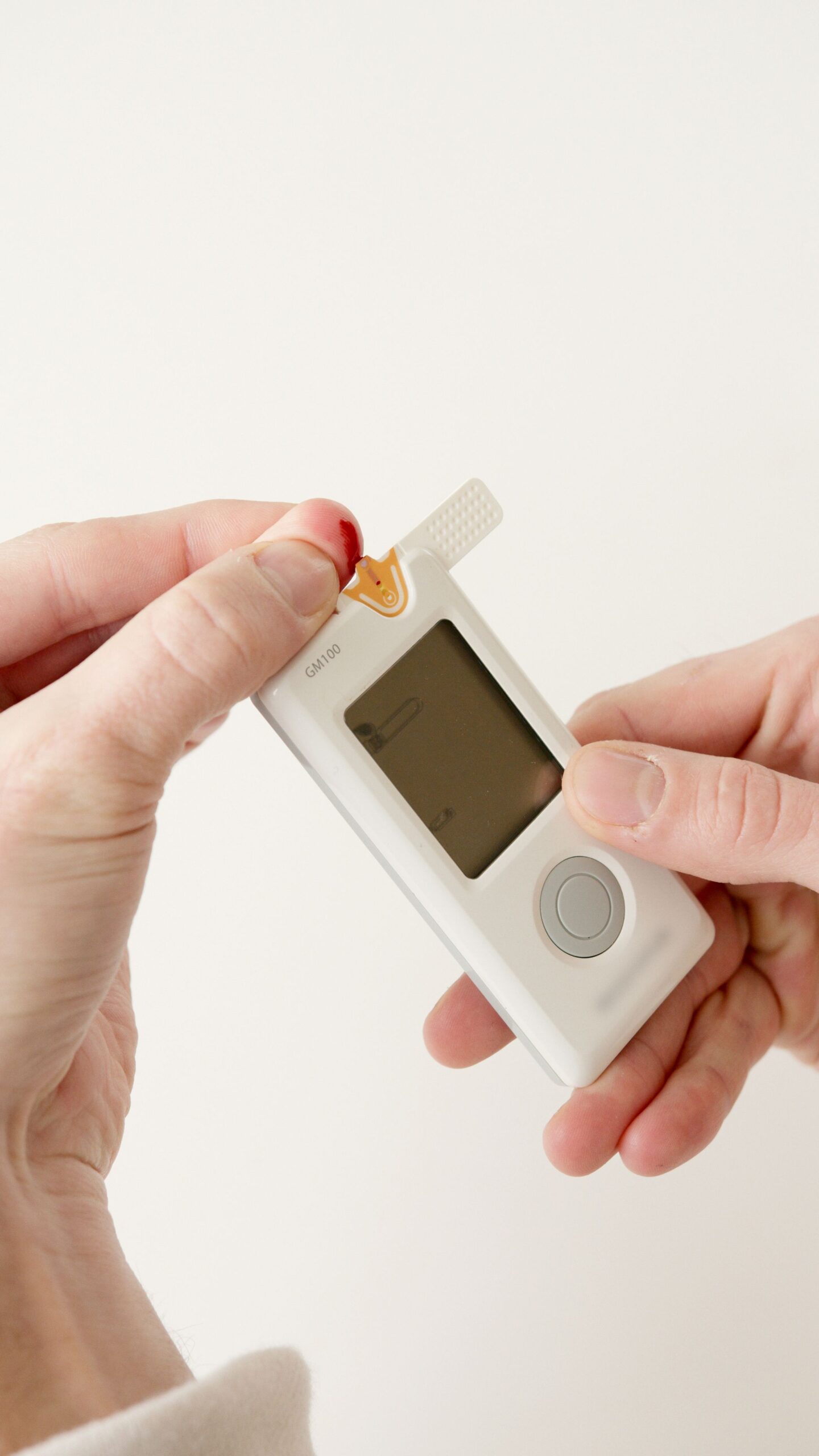
Not all diabetes fatigue feels the same — and understanding whether yours is coming from high or low blood sugar can help you and your doctor address it more effectively.
| Type of Fatigue | Blood Sugar State | Common Symptoms | What to Do |
|---|---|---|---|
| Hyperglycaemic fatigue | Blood sugar too high | Heavy tiredness, increased thirst, frequent urination, blurred vision | Check levels, hydrate, speak with doctor about management |
| Hypoglycaemic fatigue | Blood sugar too low | Sudden weakness, shakiness, sweating, difficulty concentrating | Address low blood sugar immediately per your doctor’s guidance |
| Post-meal crash | Spike then drop after eating | Drowsiness 1–2 hours after meals, brain fog, low energy | Review meal composition — reduce refined carbs, increase fibre and protein |
| Chronic fatigue | Consistently poor control | Persistent exhaustion regardless of sleep, low motivation | Comprehensive review with doctor — address all contributing factors |
Worth Knowing
Sudden, severe fatigue accompanied by shakiness, sweating, or confusion may indicate hypoglycaemia (low blood sugar) and requires immediate attention. If you are on blood sugar medication, always follow your doctor’s guidance on how to respond to low blood sugar episodes.
How Long Does Diabetes Fatigue Last?
This is one of the most common questions people ask when they first connect their tiredness to their blood sugar. The honest answer is — it depends on the underlying cause and how well it’s being managed.
For many people, fatigue related to type 2 diabetes improves meaningfully as blood sugar control improves. Studies have shown that adults who achieve more stable blood glucose levels — through a combination of dietary changes, physical activity, and appropriate medication — often report significant improvements in energy within weeks to months.
However, if contributing factors like poor sleep, anaemia, depression, or dehydration aren’t addressed alongside blood sugar management, fatigue can persist even when glucose readings look better on paper.
What This Means For You After 55
Most people who make meaningful improvements to their blood sugar stability report noticeable improvements in energy levels within 4 to 8 weeks. Full recovery from chronic diabetes fatigue — when all contributing factors are addressed — can take 3 to 6 months of consistent effort.
What May Help Reduce Fatigue With Type 2 Diabetes

The research points to several practical strategies that may help reduce diabetes-related fatigue. None of these replace medical advice — but they are approaches that consistently appear in studies on energy management in adults with type 2 diabetes.
1. Stabilise Blood Sugar Throughout the Day
This is the foundation. Dramatic spikes and crashes in blood sugar — often caused by refined carbohydrates, large meals, and long gaps between eating — are a major driver of fatigue. Research suggests that eating smaller, more frequent meals with a focus on low-glycaemic foods, lean protein, and healthy fats may support more stable energy levels throughout the day.
2. Prioritise Sleep Quality
Addressing sleep disturbances is often the single fastest route to improved energy. If you snore heavily or wake frequently at night, speak with your doctor about screening for sleep apnoea — treatment can produce dramatic improvements in daytime energy. Good sleep hygiene practices such as consistent bed and wake times, limiting screen use before bed, and keeping the bedroom cool and dark also make a meaningful difference.
3. Move Regularly — Even Gently
It may seem counterintuitive when you’re exhausted, but regular moderate movement is one of the most evidence-backed strategies for reducing diabetes fatigue. A review published in Diabetes & Metabolism Journal (PubMed) found that structured exercise programmes improved fatigue scores significantly in adults with type 2 diabetes. Even a 20-minute walk after meals may support blood sugar stability and improve energy over time.
4. Stay Well Hydrated
Aiming for 6 to 8 glasses of water daily — more if you are active or live in a warm climate — helps support kidney function and reduces the dehydration-related fatigue that often compounds blood sugar tiredness. Water is ideal; sugary drinks and excess caffeine can worsen blood sugar fluctuations.
5. Address Mental Health
If low mood, anxiety, or depression are contributing to your fatigue, addressing them directly — through talking therapies, social connection, or discussion with your doctor — is not optional, it’s essential. Mental health and blood sugar health are deeply connected, and treating one often improves the other.
6. Review Your Medications
If your fatigue worsened after starting or changing a medication, mention this to your doctor. There may be alternative options, dose adjustments, or timing changes that could reduce this side effect without compromising your blood sugar management.
When to See Your Doctor About Fatigue
While fatigue is common in type 2 diabetes, there are circumstances where it warrants prompt medical attention. Your doctor can help clarify with simple blood tests whether something else is contributing.
- Fatigue that is sudden or severe — especially if accompanied by chest pain, shortness of breath, or dizziness
- Fatigue that is getting significantly worse despite improvements in blood sugar control
- Fatigue accompanied by unexplained weight loss — this needs investigation
- Persistent low mood or hopelessness alongside tiredness — please speak with your doctor or a mental health professional
- Fatigue that is preventing you from functioning in daily life — work, social activities, self-care
Your doctor can run blood tests to check for anaemia, thyroid issues, kidney function, and vitamin deficiencies — all of which can cause or worsen fatigue in people with type 2 diabetes and are highly treatable once identified.
For more on blood sugar symptoms, see our complete guide to high blood sugar symptoms and our article on signs of blood sugar imbalance.
Key Takeaways
- Yes — type 2 diabetes can make you tired, and it’s one of the most common symptoms adults with the condition experience
- The core cause is insulin resistance — cells can’t access glucose efficiently, so energy production suffers even when blood sugar is high
- Sleep disturbances, anaemia, depression, dehydration, and medication side effects all compound diabetes fatigue significantly
- High and low blood sugar cause different types of fatigue — understanding which you’re experiencing helps target the right response
- Stabilising blood sugar through diet, regular gentle movement, and good sleep hygiene are the most evidence-backed approaches to improving energy
- Persistent, severe, or worsening fatigue always warrants a conversation with your doctor — many contributing causes are highly treatable
Want the Full Natural Blood Sugar Strategy?
Download our free guide — 7 Natural Ways to Help Support Healthy Blood Sugar After 55 — covering diet, movement, sleep, and more in a simple, practical format written specifically for adults your age.
Frequently Asked Questions
Does type 2 diabetes make you tired all the time?
It can, particularly when blood sugar is poorly controlled. Many people with type 2 diabetes experience persistent fatigue as a daily reality. However, fatigue is not an inevitable or permanent feature of the condition — most people see meaningful improvements in energy when blood sugar control improves and contributing factors like sleep and hydration are addressed.
Why do I feel so tired after eating with type 2 diabetes?
Post-meal fatigue in type 2 diabetes is typically caused by a rapid spike in blood sugar followed by a crash as the body attempts to manage the glucose load. This is particularly common after meals high in refined carbohydrates and sugar. Eating smaller portions, including more protein and fibre with each meal, and avoiding large amounts of refined carbs may help reduce post-meal energy crashes.
Can low blood sugar cause fatigue in type 2 diabetes?
Yes — hypoglycaemia (low blood sugar) is a significant cause of acute fatigue in people with type 2 diabetes, particularly those on insulin or certain oral medications. Symptoms typically include sudden weakness, shakiness, sweating, and difficulty concentrating. If you experience these symptoms, follow your doctor’s guidance on how to respond and always discuss recurrent episodes with your healthcare provider.
How do I know if my tiredness is from diabetes or something else?
Diabetes-related fatigue often correlates with blood sugar fluctuations — worse when readings are high or low, and better when control improves. If your fatigue doesn’t improve with better blood sugar management, or if it is accompanied by other symptoms, speak with your doctor. Blood tests can check for anaemia, thyroid issues, vitamin deficiencies, and other treatable causes of persistent fatigue.
What is the fastest way to reduce fatigue from type 2 diabetes?
There is no instant fix, but the strategies with the most rapid impact tend to be improving blood sugar stability through diet changes (reducing refined carbs, eating regularly), addressing sleep quality, and staying well hydrated. Many people notice improvements in energy within two to four weeks of making consistent changes across these areas. Always work with your doctor to ensure any changes fit safely with your overall management plan.
Richard Wells is the founder of HealthAfter55.com, a resource dedicated to natural health strategies for adults over 55. He researches and writes about blood sugar, energy, and healthy ageing — translating complex science into practical, plain-English guidance. Richard is not a medical professional. Always consult your doctor before making any changes to your health routine.