

Founder, HealthAfter55.com — Richard researches natural health strategies for adults over 55, with a focus on blood sugar, energy, and healthy ageing. He is not a medical professional. Always consult your doctor before making health changes.
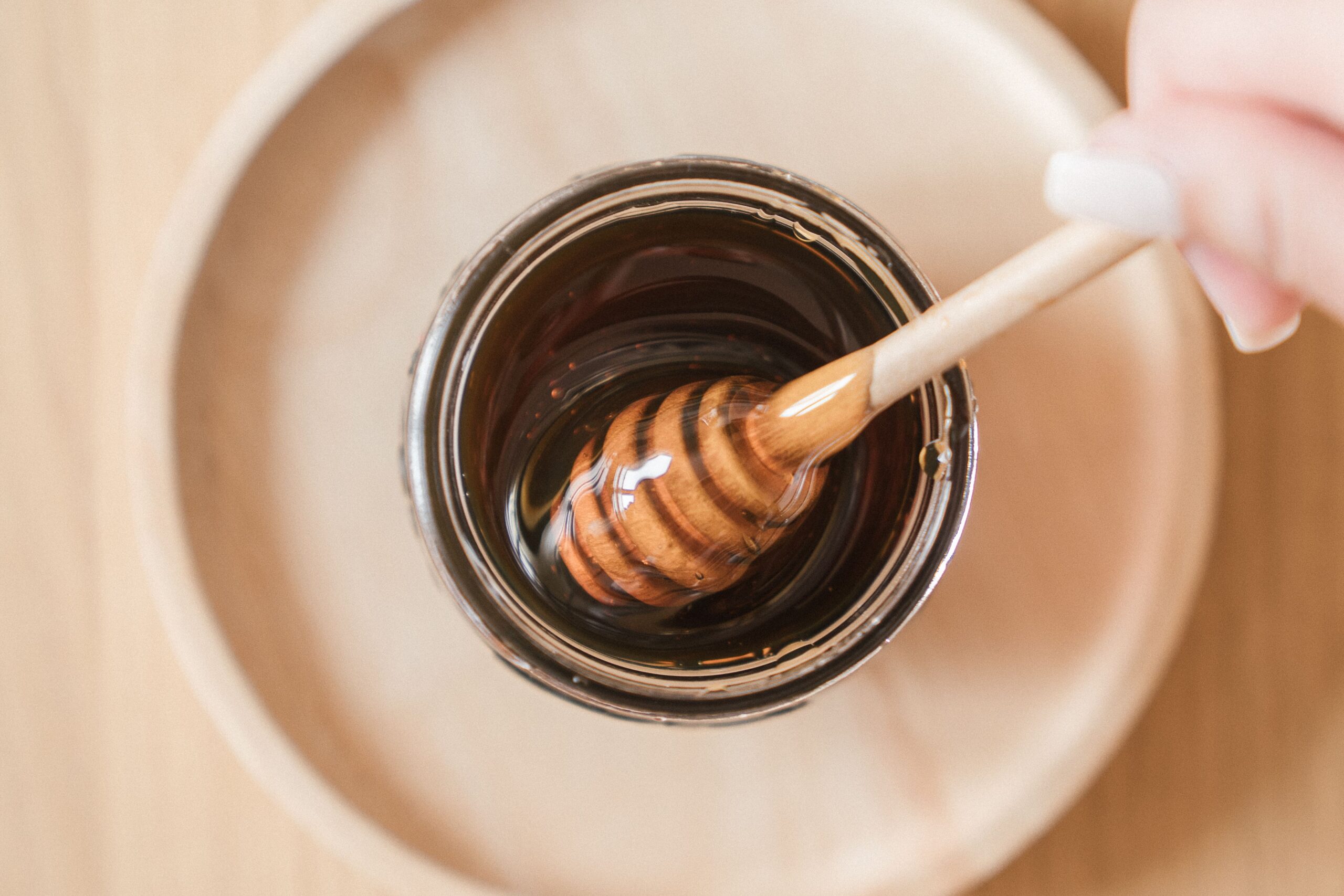
If you have type 2 diabetes, you’ve probably wondered: is honey bad for type 2 diabetes, or is it a safer alternative to regular sugar? It’s a question that comes up constantly — and understandably so. Honey feels natural. It’s less processed than white sugar. And you’ve probably read somewhere that it has antioxidants and health benefits.
But when it comes to managing blood sugar, natural doesn’t automatically mean safe. The honest answer is more nuanced than a simple yes or no — and getting it right could make a real difference to your day-to-day glucose control.
In this guide, we look at exactly what honey does to blood sugar, how it compares to regular sugar, what the research says, and whether there’s any role for honey in a type 2 diabetes diet. No hype — just straight answers.
📋 Free Guide: 7 Natural Ways to Help Support Healthy Blood Sugar After 55
Managing what you eat is just one part of the picture. Our free guide covers seven research-backed natural strategies for supporting healthy blood sugar — written specifically for adults over 55.
Quick Answer
Yes — honey does raise blood sugar and is not safe to consume freely if you have type 2 diabetes. While honey has a slightly lower glycaemic index than white sugar and contains trace antioxidants, it is still primarily sugar and will spike blood glucose levels. Small amounts may be acceptable for some people depending on their individual blood sugar control — but this should always be discussed with your doctor or dietitian.
What’s In This Guide
What Is Honey Made Of?
Before we can fully answer whether honey is bad for type 2 diabetes, it helps to understand what honey actually is — because it’s not as different from sugar as many people assume.
Honey is composed primarily of two simple sugars — fructose (approximately 40%) and glucose (approximately 30%) — along with water, trace minerals, antioxidants, and small amounts of vitamins and enzymes. The exact composition varies depending on the type of honey and the flowers the bees collected from.
The key point is this: the dominant components of honey are free sugars. And free sugars — regardless of their source — raise blood glucose levels when consumed.
What This Means For You After 55
One tablespoon of honey contains approximately 17g of sugar and 64 calories. One tablespoon of white sugar contains approximately 12.6g of sugar and 49 calories. Gram for gram, honey contains more sugar than table sugar — something most people don’t realise.
The antioxidants and trace nutrients in honey are real — but they’re present in very small amounts. You would need to consume far more honey than is safe for blood sugar management to get meaningful nutritional benefit. You can get far greater antioxidant benefit from vegetables, berries and nuts without the blood sugar impact.
How Does Honey Affect Blood Sugar?
When you eat honey, the glucose and fructose it contains are absorbed into your bloodstream. The glucose portion raises blood sugar directly and rapidly. The fructose portion is metabolised primarily by the liver — it doesn’t raise blood sugar as immediately, but over time excessive fructose consumption is associated with insulin resistance and elevated triglycerides.
Honey has a Glycaemic Index (GI) of approximately 58 — which places it in the medium GI category. White table sugar has a GI of around 65. So honey does cause a slightly slower blood sugar rise than regular sugar — but the difference is modest, and in the context of type 2 diabetes management, both are still significant sources of rapidly absorbed sugar.
Glycaemic Load (GL) — which accounts for portion size — is arguably more relevant. A typical tablespoon serving of honey has a GL of around 10, which is considered medium. But most people don’t stop at one tablespoon, and the GL adds up quickly with even modest consumption.
Worth Knowing
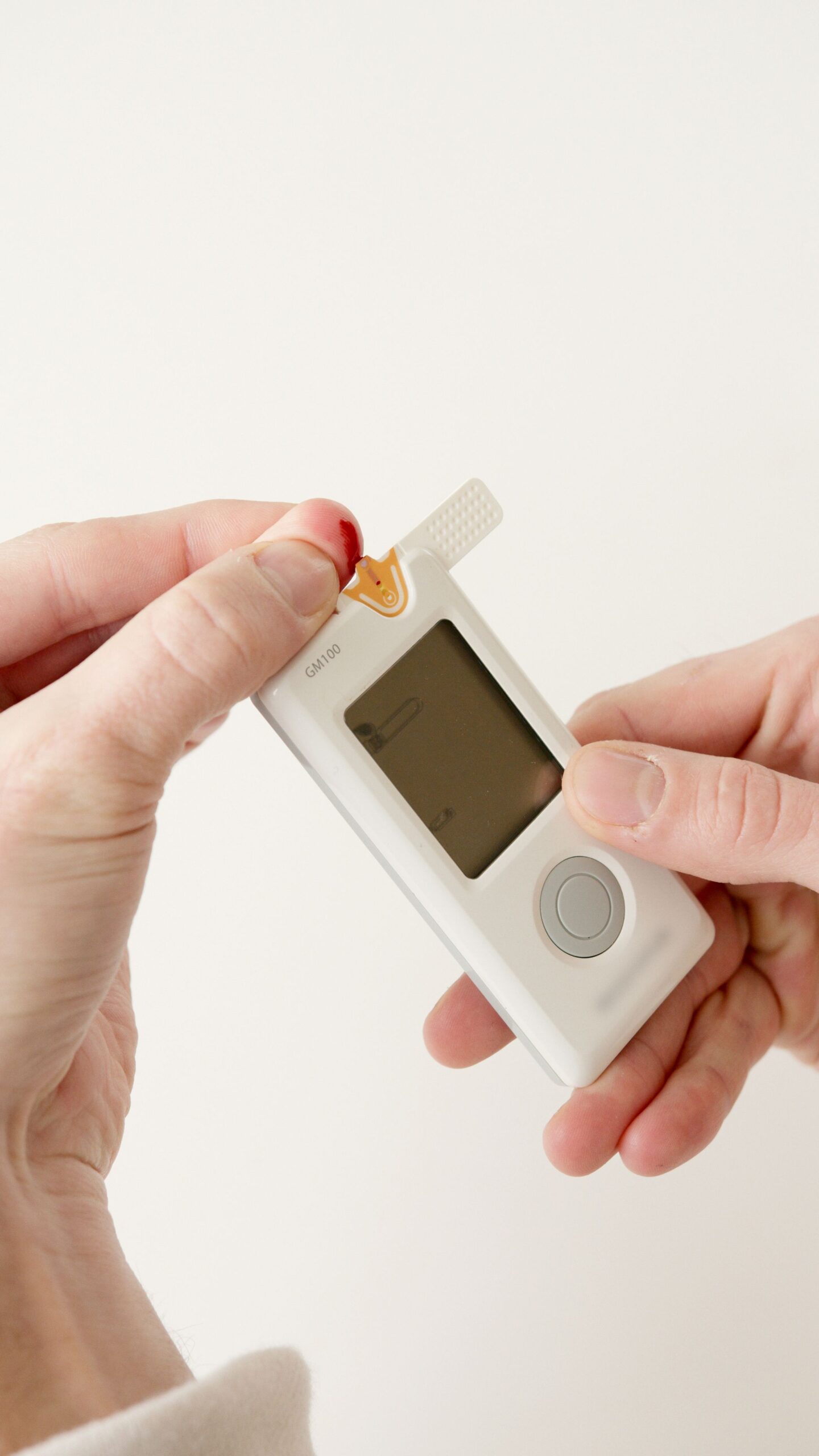
If you use a continuous glucose monitor or test your blood sugar regularly, you may notice a meaningful spike after consuming honey — even a small amount. Individual responses to honey vary significantly depending on your overall diabetes management, medications, and metabolic health.
Honey vs Regular Sugar — Is There a Real Difference?
This is the comparison most people want to make — and it’s worth being precise about it.
| Factor | Honey | White Sugar |
|---|---|---|
| Glycaemic Index | ~58 (medium) | ~65 (medium-high) |
| Sugar per tablespoon | 17g | 12.6g |
| Calories per tablespoon | 64 kcal | 49 kcal |
| Antioxidants | Yes — trace amounts | None |
| Vitamins and minerals | Trace amounts | None |
| Safe for type 2 diabetes? | ⚠️ Only in very small amounts | ⚠️ Only in very small amounts |
The honest conclusion: honey has a marginally lower GI than white sugar and contains trace antioxidants that white sugar doesn’t. But it also contains more sugar per tablespoon than white sugar by weight. Neither is a free food for people managing type 2 diabetes, and the difference between them is not large enough to make honey a genuinely safe alternative.
What Does the Research Actually Show?
The evidence is genuinely interesting — and more nuanced than you might expect. Here’s an honest summary of what the research shows.
A 2021 review published in Nutrients examined the effects of honey consumption on metabolic markers. The review found that honey may have some beneficial effects on certain cardiometabolic risk factors compared to refined sugar — including modest improvements in cholesterol levels and antioxidant markers. However, the researchers were careful to note that honey still raises blood glucose and should not be considered safe for unrestricted consumption by people with diabetes.
A study in the Journal of Medicinal Food compared the effects of honey and sugar on blood glucose and insulin levels. Honey produced a lower blood glucose peak than sugar — but still produced a significant rise. People with diabetes showed a more pronounced glucose response to honey than people without diabetes.
Research Summary
- Honey has a lower GI than white sugar (~58 vs ~65) but still raises blood sugar significantly
- Honey contains trace antioxidants — but not in quantities that justify its blood sugar impact
- People with type 2 diabetes show a more pronounced glucose response to honey than people without
- No major diabetes authority recommends honey as a safe sweetener for people with type 2 diabetes
Can People With Type 2 Diabetes Eat Any Honey at All?
This is a question best answered with your doctor or dietitian based on your individual blood sugar control, medications, and overall diet. But here’s a general framework based on the evidence.
For some people with well-controlled type 2 diabetes, a very small amount of honey — half a teaspoon in a cup of tea, for example — may be acceptable occasionally as part of an otherwise low-sugar diet. The key factors are:
- Total carbohydrate intake for the day — if your overall diet is very low in carbohydrates, a small amount of honey has less impact
- Your current blood sugar control — if your HbA1c is well managed, you have more flexibility than if it’s elevated
- What you pair it with — honey in plain tea affects blood sugar differently to honey on toast
- Your medications — some diabetes medications lower blood sugar; adding honey could affect the balance
Worth Knowing
If you decide to include very small amounts of honey, monitor your blood sugar before and 2 hours after to understand your individual response. Everyone with type 2 diabetes responds differently to foods. Never adjust your diet without discussing it with your healthcare team.
Better Alternatives to Honey for Type 2 Diabetes
If you’re looking for sweetness without the blood sugar impact, there are better options available — some natural, some not. Here’s an honest look at the main alternatives.
| Sweetener | GI | Blood Sugar Impact | Notes |
|---|---|---|---|
| Stevia | 0 | ✅ None | Natural, plant-based, widely available |
| Erythritol | 0 | ✅ Minimal | Sugar alcohol, well tolerated by most |
| Monk Fruit | 0 | ✅ None | Natural, expensive, very sweet |
| Xylitol | 7 | ✅ Very low | Can cause digestive issues in large amounts |
| Honey | 58 | ⚠️ Moderate-high | Not recommended for regular use |
| White Sugar | 65 | ❌ High | Avoid where possible |
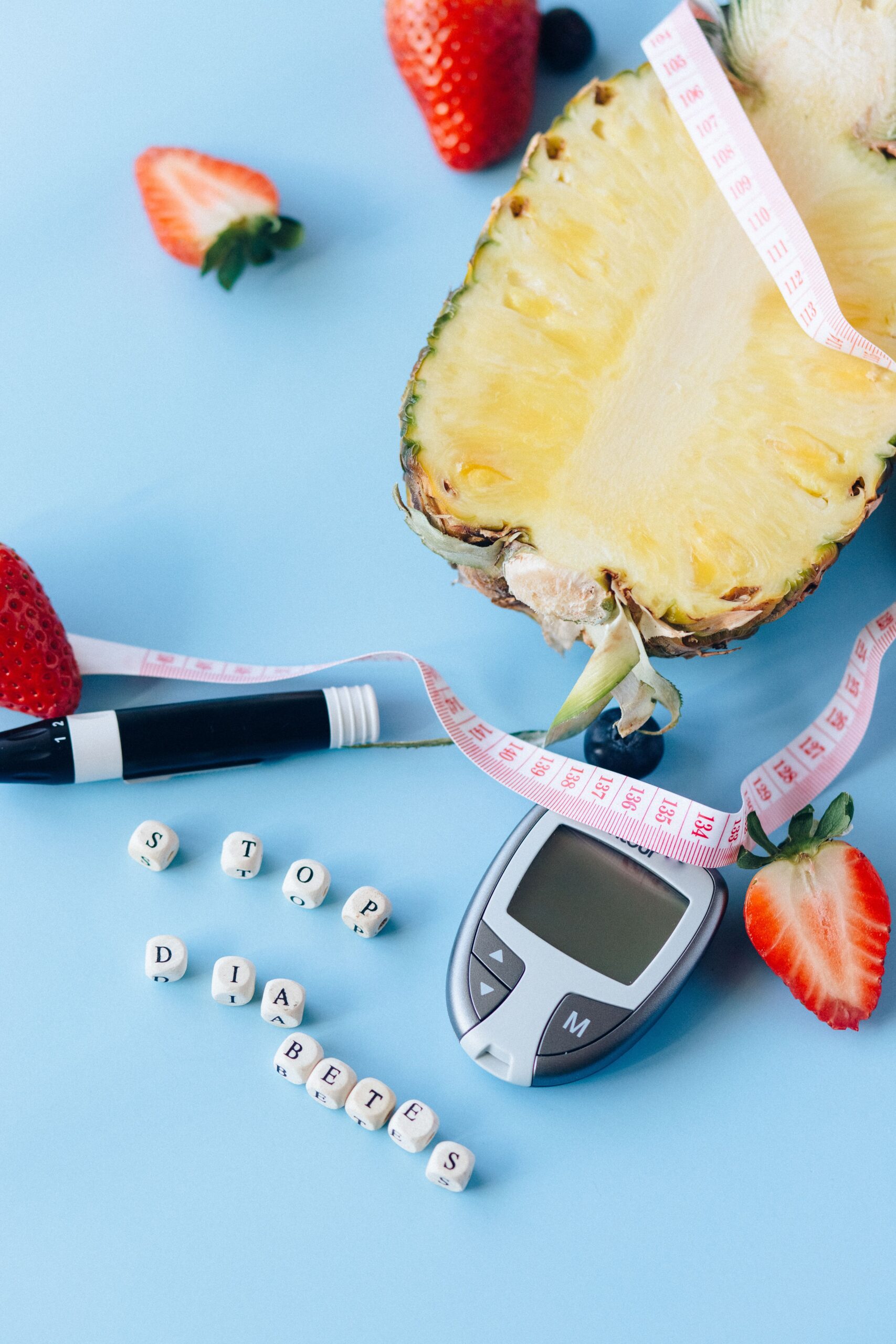
Stevia is generally considered the best natural sweetener for people with type 2 diabetes. It has zero effect on blood sugar, is derived from a plant, and is available in most supermarkets.
For more on this topic, see our guide to foods that lower blood sugar naturally after 55, our article on foods that spike blood sugar, and best snacks for prediabetes.
The Bottom Line
Is honey bad for type 2 diabetes? The honest answer is: yes, it raises blood sugar, and it should not be treated as a safe or free alternative to white sugar just because it’s natural.
Honey does have a marginally lower GI than white sugar and contains trace antioxidants — but these differences are not large enough to make honey a recommended food for people managing type 2 diabetes. It is still primarily sugar, it still raises blood glucose, and it contains more sugar per tablespoon than white sugar by weight.
For most people with type 2 diabetes, better sweetener options exist — particularly stevia, erythritol, and monk fruit — that provide sweetness without meaningful blood sugar impact.
If you do enjoy honey and want to include tiny amounts occasionally, speak to your doctor or dietitian about how it fits into your overall plan. Monitor your blood sugar response and make an informed decision based on your individual situation.
Key Takeaways
- Honey is primarily sugar — approximately 70% fructose and glucose — and raises blood sugar in people with type 2 diabetes
- Honey has a slightly lower GI than white sugar (~58 vs ~65) but contains more sugar per tablespoon by weight
- Research suggests honey may have marginally better effects than refined sugar on some metabolic markers — but it is still not recommended for regular consumption with type 2 diabetes
- Better sweetener alternatives include stevia (GI 0), erythritol (GI 0), and monk fruit (GI 0)
- If you want to include any honey, discuss it with your doctor or dietitian and monitor your individual blood sugar response
Want the Full Natural Blood Sugar Strategy?
Download our free guide — 7 Natural Ways to Help Support Healthy Blood Sugar After 55 — covering diet, movement, sleep, and more in a simple, practical format written specifically for adults your age.
Frequently Asked Questions
Is honey better than sugar for type 2 diabetes?
Marginally — honey has a slightly lower glycaemic index than white sugar (58 vs 65) and contains trace antioxidants. However, honey also contains more sugar per tablespoon by weight than white sugar, and both raise blood glucose significantly in people with type 2 diabetes. Neither is a safe food to consume freely.
Can I put honey in my tea if I have type 2 diabetes?
A very small amount — such as half a teaspoon — may be acceptable for some people with well-controlled type 2 diabetes. But this depends entirely on your individual blood sugar management, medications, and overall diet. It’s best discussed with your doctor or dietitian. A better alternative is stevia, which has no effect on blood sugar.
What is the best natural sweetener for type 2 diabetes?
Stevia is generally considered the best natural sweetener for people with type 2 diabetes. It has a glycaemic index of zero, has no meaningful effect on blood sugar, and is derived from a plant. Erythritol and monk fruit are also excellent options. All three are widely available and can be used in tea, coffee, baking and cooking.
Does Manuka honey affect blood sugar differently?
Manuka honey has attracted attention for its antibacterial properties, but from a blood sugar perspective it behaves similarly to other types of honey. It still contains approximately 70% sugar, still has a medium glycaemic index, and will still raise blood glucose in people with type 2 diabetes. Its higher price does not reflect any meaningful benefit for blood sugar management.
How much honey can a diabetic have per day?
There is no universally safe amount — this depends on your individual blood sugar control, overall carbohydrate intake, and medications. Many diabetes dietitians would suggest avoiding honey entirely and choosing a zero-GI sweetener instead. If you do include honey, a maximum of half a teaspoon occasionally is a reasonable starting point to discuss with your healthcare team — but always monitor your blood sugar response.
Richard Wells is the founder of HealthAfter55.com, a resource dedicated to natural health strategies for adults over 55. He researches and writes about blood sugar, energy, and healthy ageing — translating complex science into practical, plain-English guidance. Richard is not a medical professional. Always consult your doctor before making any changes to your health routine.