

Founder, HealthAfter55.com — Richard researches natural health strategies for adults over 55, with a focus on blood sugar, energy, and healthy ageing. He is not a medical professional. Always consult your doctor before making health changes.
If you’ve recently had a blood test and you’re not sure what the numbers mean, you’re not alone. Understanding normal blood sugar levels over 55 can feel confusing — especially when different doctors, different countries, and different testing methods all seem to use slightly different figures.
This guide cuts through the confusion. We’ll cover exactly what normal blood sugar levels over 55 look like, how the key tests work, what the ranges mean at each stage, and what to do if your numbers are creeping in the wrong direction. Whether you’ve been told everything is fine or you’re concerned about a recent result, this is the reference guide to bookmark.
📋 Free Guide: 7 Natural Ways to Help Support Healthy Blood Sugar After 55
Know your numbers — then learn what you can do about them naturally. Our free guide covers 7 research-backed strategies written specifically for adults over 55.
Quick Answer
For adults over 55, a normal fasting blood sugar is below 5.6 mmol/L (100 mg/dL). Prediabetes is diagnosed between 5.6–6.9 mmol/L, and type 2 diabetes at 7.0 mmol/L or above. Post-meal levels should return below 7.8 mmol/L within two hours. HbA1c — your three-month average — should sit below 5.7% for normal range. These figures don’t change significantly with age, but post-meal spikes tend to be higher and last longer in older adults.
What’s In This Guide
The Three Tests That Matter Most for Normal Blood Sugar Levels Over 55
Before diving into the numbers, it helps to understand what each test is actually measuring — because they each tell a different part of the story.
1. Fasting Blood Glucose (FBG)
This is the most common test for checking normal blood sugar levels over 55. It measures the glucose in your blood after you’ve fasted for at least eight hours — typically overnight. Because you haven’t eaten, this reading reflects your baseline blood sugar level without the influence of a recent meal. It’s the test most GPs use for routine screening and diagnosis.
2. Postprandial Glucose (Post-Meal)
This measures your blood sugar one to two hours after eating. A healthy body should bring glucose back down within this window. After 55, post-meal spikes tend to be higher and take longer to resolve — which is why many experts consider postprandial glucose an equally important (and often overlooked) marker of metabolic health.
3. HbA1c (Glycated Haemoglobin)
HbA1c measures the percentage of haemoglobin in your blood that has glucose attached to it. Because red blood cells live for roughly three months, this test gives your doctor a three-month average of your blood sugar levels — making it far harder to “game” with a good day or a single good meal. Research published in The Lancet confirmed HbA1c as a reliable diagnostic tool for type 2 diabetes and prediabetes in older adults.
Which Test Should You Ask For?
Ideally, all three. Fasting glucose gives you your baseline. HbA1c gives your three-month trend. Post-meal readings — which you can do yourself with a home glucose monitor — tell you how your body is responding to specific foods. Together, they give the clearest picture of where your blood sugar actually stands.
Normal Blood Sugar Ranges — Full Chart
Here are the clinical ranges used by doctors in Australia and internationally. These are the benchmarks your GP uses when interpreting your results.
| Test | Normal | Prediabetes | Type 2 Diabetes |
|---|---|---|---|
| Fasting Glucose | Below 5.6 mmol/L (100 mg/dL) |
5.6–6.9 mmol/L (100–125 mg/dL) |
7.0 mmol/L+ (126 mg/dL+) |
| 2-Hour Post-Meal | Below 7.8 mmol/L (140 mg/dL) |
7.8–11.0 mmol/L (140–199 mg/dL) |
11.1 mmol/L+ (200 mg/dL+) |
| HbA1c | Below 5.7% | 5.7–6.4% | 6.5% and above |
| Random Glucose (any time of day) |
Below 7.8 mmol/L (140 mg/dL) |
— | 11.1 mmol/L+ with symptoms (200 mg/dL+) |
Note: Australian labs typically report in mmol/L. American sources use mg/dL. Both are included above so you can compare results regardless of where they were tested.

How the Numbers Differ for Adults Over 55
Here’s something many people don’t realise: the clinical thresholds for normal blood sugar levels don’t change based on age. A fasting reading below 5.6 mmol/L is considered normal whether you’re 35 or 75. But the way your body behaves within those ranges does change — and that distinction matters.
Post-Meal Spikes Are Higher and Last Longer
Research published in the Journal of Clinical Endocrinology & Metabolism found that even in adults with normal fasting glucose, post-meal blood sugar spikes become progressively higher with age — and take significantly longer to return to baseline. This means an older adult can have a “normal” fasting reading but still be experiencing frequent glucose spikes throughout the day that a fasting test simply won’t catch.
Fasting Levels Alone Can Be Misleading
If your GP only tests your fasting glucose and tells you everything looks fine, that may only be part of the picture. Many adults over 55 with early glucose dysregulation will show normal fasting levels for years before fasting glucose eventually rises. Post-meal testing — either via a formal glucose tolerance test at your clinic or a home glucose monitor — gives a more complete picture of how your metabolism is actually performing.
HbA1c Can Appear Lower Than Expected
There is some evidence that HbA1c readings can be slightly lower than expected in older adults due to changes in red blood cell turnover. This doesn’t mean HbA1c is unreliable — it remains a valuable tool — but it’s worth discussing with your doctor if your HbA1c looks normal but you have other symptoms or risk factors that suggest otherwise.
The Key Takeaway
Normal fasting blood sugar doesn’t guarantee normal blood sugar regulation overall — especially after 55. If you want a truly accurate picture, ask your doctor about a post-meal glucose test or consider a home glucose monitor to check your two-hour readings after typical meals.
What Prediabetes Numbers Mean — And Why They Matter
Prediabetes is the stage between normal blood sugar levels and type 2 diabetes. In Australia, it’s estimated that around 2 million adults have prediabetes — and many don’t know it. For adults over 55, understanding this range is particularly important because the risk of progression increases with age.
The Prediabetes Range in Plain English
A fasting blood glucose between 5.6 and 6.9 mmol/L, an HbA1c between 5.7% and 6.4%, or a two-hour post-meal reading between 7.8 and 11.0 mmol/L — any one of these places you in the prediabetes range. Your doctor may use the term “impaired fasting glucose” or “impaired glucose tolerance” depending on which test was used.
Prediabetes Is Reversible
This is the most important thing to understand about a prediabetes result: it is not a guaranteed path to type 2 diabetes. A landmark study from the New England Journal of Medicine — the Diabetes Prevention Program — found that lifestyle interventions reduced progression from prediabetes to type 2 diabetes by 58% over three years. That’s a significant reduction achievable through diet, exercise, and modest weight changes alone.
What “Borderline” Actually Means
Some GPs use the word “borderline” when describing a prediabetes result — which can feel reassuring but sometimes leads people to underestimate the significance. A fasting reading of 6.5 mmol/L is not borderline in a minor sense — it’s firmly in the prediabetes range and warrants active attention, not a wait-and-see approach.
Ask Your Doctor This Question
If you’ve been told your results are “borderline” or “a little high,” ask specifically: “What is my exact fasting glucose number and my HbA1c?” Having the actual numbers — not just a verbal reassurance — lets you track your progress over time and take informed action.

How to Read Your Blood Test Results
When you receive a blood test result checking your normal blood sugar levels over 55 — whether from your GP, a pathology lab, or a home monitor — here’s how to interpret what you’re looking at.
Reading a Lab Report
Australian pathology reports typically show your result alongside a reference range. For fasting glucose, the reference range is usually shown as 3.6–5.6 mmol/L. If your result falls outside this range, it will often be flagged with an H (high) or L (low). Don’t panic at a single flagged result — one reading above range is not a diagnosis. Your doctor will want to confirm with repeat testing before drawing any conclusions.
Reading a Home Glucose Monitor
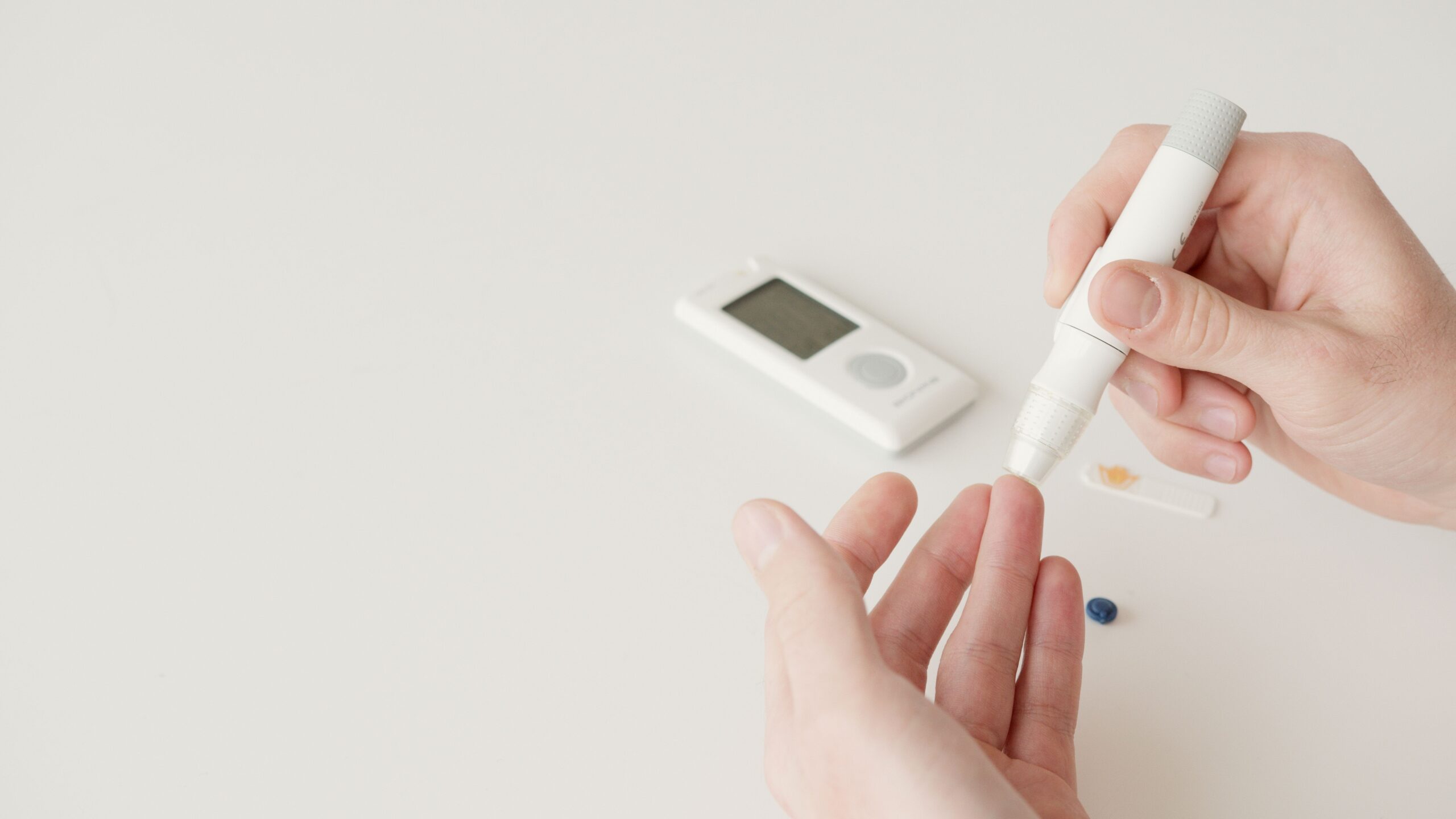
Home glucose monitors — available from most pharmacies without a prescription — give you an immediate reading in mmol/L. To get a useful fasting reading, test first thing in the morning before eating or drinking anything other than water. For a post-meal reading, test exactly two hours after your first bite. Keep a simple log of your readings over two to four weeks and bring it to your next GP appointment — it gives your doctor far more useful information than a single in-clinic test.
Understanding Variation
Blood sugar is not static — it fluctuates throughout the day in response to food, activity, stress, sleep, hydration, and even the time of day. A single reading that’s slightly elevated doesn’t necessarily indicate a problem. It’s the pattern over time — particularly your HbA1c trend — that tells the real story.
| Reading Type | When to Test | Target Range (Over 55) |
|---|---|---|
| Fasting | Morning, before eating | Below 5.6 mmol/L |
| Post-Meal | 2 hours after eating | Below 7.8 mmol/L |
| HbA1c | Every 6–12 months via GP | Below 5.7% |
| Bedtime | Before sleep | 5.0–8.3 mmol/L (if on medication — discuss with GP) |
What to Do If Your Numbers Are Creeping Up
If your normal blood sugar levels over 55 are higher than you’d like — or trending upward over time — the good news is that you have real options. Lifestyle changes made consistently over weeks and months can produce measurable improvements in fasting glucose and HbA1c, even without medication.
Reduce High-GI Carbohydrates
Swapping white bread, white rice, and sugary drinks for lower-GI alternatives — wholegrain bread, basmati rice, legumes, and vegetables — can meaningfully reduce post-meal glucose spikes. You don’t need to eliminate carbohydrates entirely. Choosing the right ones and pairing them with protein and healthy fats is often enough to shift the trend.
Add Movement After Meals
A 10–15 minute walk after eating is one of the simplest and most evidence-backed strategies for reducing post-meal glucose spikes. Muscle activity during and after eating allows glucose to enter cells without insulin — directly counteracting the age-related decline in insulin sensitivity.
Prioritise Sleep
Even a few nights of poor sleep can temporarily raise fasting blood sugar and reduce insulin sensitivity. If sleep quality is an issue, addressing it — whether through sleep hygiene changes or speaking to your doctor about sleep apnoea — should be considered part of your blood sugar strategy.
Consider Targeted Natural Supplements
Several natural compounds have research supporting their potential role in blood sugar support — including berberine, chromium, magnesium, and Ceylon cinnamon. None of these replace medical treatment, and all should be discussed with your doctor before starting.

When to See Your Doctor — And What to Ask
Keeping track of normal blood sugar levels over 55 starts with regular testing. If you haven’t had a fasting blood glucose test in the past 12 months and you’re over 55, booking one should be near the top of your to-do list. Beyond routine testing, see your doctor sooner if you notice:
- Increased thirst or urination — particularly at night
- Unexplained fatigue that’s getting worse
- Blurred vision that comes and goes
- Slow-healing cuts or bruises
- Tingling or numbness in the hands or feet
- Recurring infections
When you go, ask specifically for your fasting glucose number, your HbA1c percentage, and — if you have any of the above symptoms — a two-hour glucose tolerance test. Don’t leave the appointment with just a “your results look fine.” Ask for the actual numbers and write them down. Tracking your trend over time is one of the most powerful things you can do for your long-term metabolic health.
Key Takeaways
- Normal blood sugar levels over 55 are the same clinical thresholds as for younger adults — fasting below 5.6 mmol/L, post-meal below 7.8 mmol/L, HbA1c below 5.7%.
- After 55, post-meal glucose spikes tend to be higher and last longer — even when fasting levels look normal. Post-meal testing gives a more complete picture.
- Prediabetes (fasting 5.6–6.9 mmol/L or HbA1c 5.7–6.4%) is reversible with consistent lifestyle changes — research shows up to a 58% reduction in progression risk.
- Always ask for your actual numbers — not just a verbal “you’re fine.” Tracking your trend over time is more valuable than any single reading.
- Diet, post-meal movement, sleep quality, and targeted supplements are the primary natural levers for improving glucose levels over time.
- If you haven’t had a blood sugar test in the past year and you’re over 55, book one now — early detection is your best advantage.
Know Your Numbers — Then Act on Them
Download our free guide — 7 Natural Ways to Help Support Healthy Blood Sugar After 55 — and discover what you can do naturally to support healthy glucose levels starting this week.
For a broader understanding of why blood sugar becomes harder to manage as you get older, see our cornerstone guide on what is blood sugar after 55. You may also find it helpful to read about why blood sugar increases with age and the common signs of blood sugar imbalance to watch for.
Frequently Asked Questions
What Are Normal Blood Sugar Levels Over 55 for Fasting?
The clinical threshold for normal fasting blood sugar doesn’t change with age — it remains below 5.6 mmol/L (100 mg/dL) regardless of whether you’re 55 or 75. However, older adults are more likely to show elevated post-meal glucose even when fasting levels look normal, so fasting results alone don’t always tell the complete story.
Is 6.1 mmol/L fasting blood sugar normal for someone over 55?
A fasting reading of 6.1 mmol/L falls in the prediabetes range (5.6–6.9 mmol/L). It’s not type 2 diabetes, but it does warrant attention and a conversation with your doctor. At this level, lifestyle changes — particularly diet and regular physical activity — can often bring readings back into the normal range over time.
How often should adults over 55 get blood sugar tested?
If your results are consistently normal and you have no risk factors, testing every one to two years is a reasonable approach — discuss the frequency with your GP. If you have prediabetes, a family history of type 2 diabetes, or other risk factors such as excess abdominal weight or high blood pressure, annual testing (or more frequent monitoring with a home glucose monitor) is worth considering.
Can you have normal fasting blood sugar but still have blood sugar problems?
Yes — this is more common than many people realise, particularly after 55. Normal fasting glucose with elevated post-meal spikes is a pattern sometimes called “isolated postprandial hyperglycaemia.” It doesn’t show up on a standard fasting test but can be detected with a two-hour glucose tolerance test or home post-meal monitoring. If you have symptoms but normal fasting results, ask your doctor about post-meal testing.
What should blood sugar be 2 hours after eating for someone over 55?
The target is below 7.8 mmol/L (140 mg/dL) two hours after eating — this applies to adults of all ages. After 55, it’s common for post-meal readings to be somewhat higher or take longer to come down, even in people with normal fasting glucose. Consistently reading above 7.8 mmol/L at the two-hour mark is worth discussing with your doctor, regardless of what your fasting number shows.
Richard Wells is the founder of HealthAfter55.com, a resource dedicated to natural health strategies for adults over 55. He researches and writes about blood sugar, energy, and healthy ageing — translating complex science into practical, plain-English guidance. Richard is not a medical professional. Always consult your doctor before making any changes to your health routine.