

Founder, HealthAfter55.com — Richard researches natural health strategies for adults over 55, with a focus on blood sugar, energy, and healthy ageing. He is not a medical professional. Always consult your doctor before making health changes.
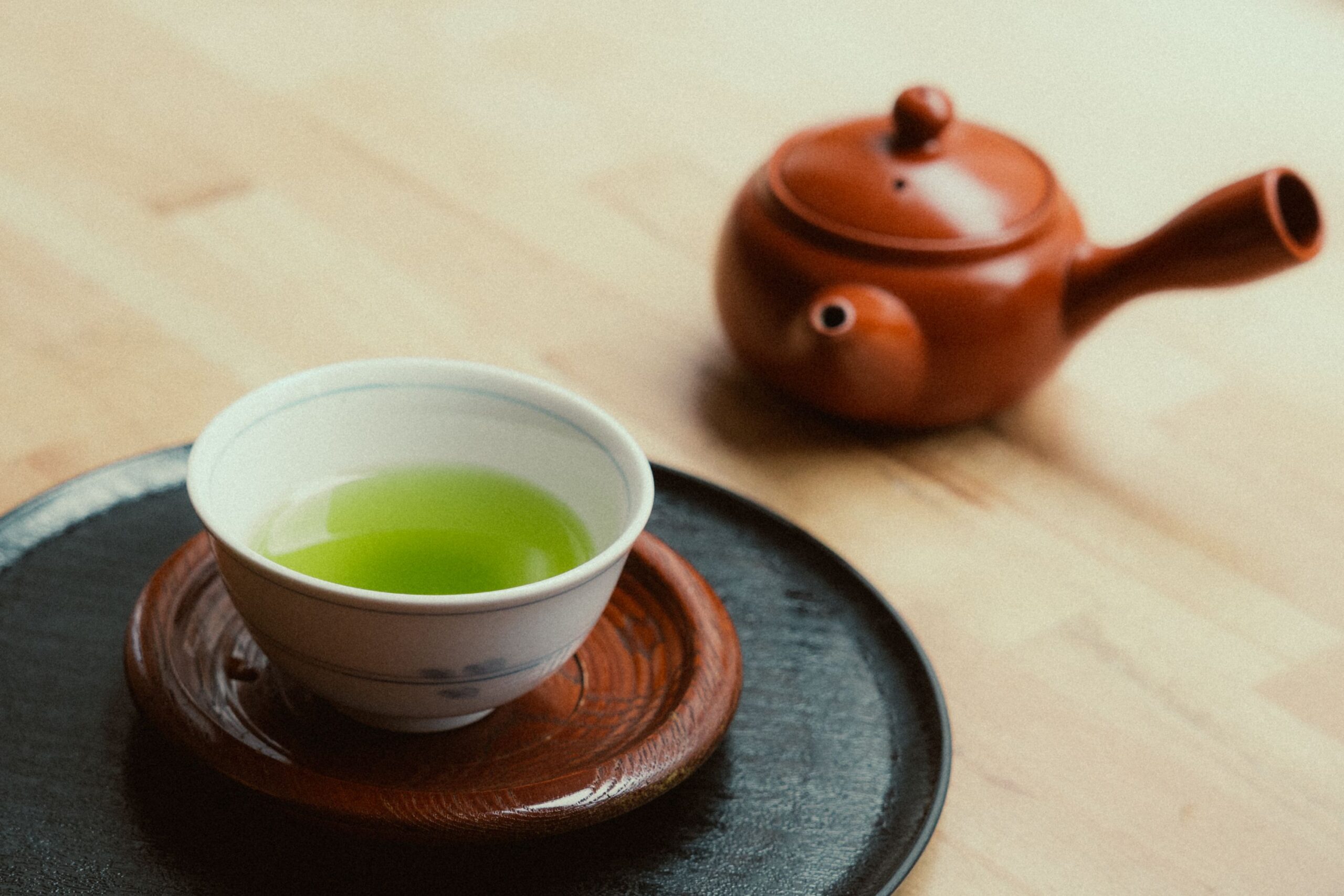
If you are looking for what tea lowers your blood sugar, you have come to the right place — but you also deserve an honest answer rather than a list that treats every tea as equally effective. The research on tea and blood sugar is more varied, and in some ways more interesting, than most articles suggest.
Some teas have genuinely meaningful clinical evidence behind them. Others are popular but the human trial data is thin. And one in particular — chamomile — has stronger evidence for reducing your three-month blood sugar average (HbA1c) than almost any other tea, yet it barely appears in most top-ten lists.
After 55, the tea question has an extra layer. Caffeine — present in green, black, and oolong teas — affects sleep more significantly with age, and poor sleep directly raises blood sugar. Getting the timing and choice of tea right matters in a way it might not have at 40. This article works through the evidence for each tea type honestly, covers how to prepare them to get the most benefit, and explains the considerations specific to this age group.
🗓️ Last reviewed and updated: June 2026
The teas with the strongest blood sugar evidence are green tea (modestly reduces fasting blood glucose in a 27-RCT meta-analysis) and chamomile tea (a 2023 meta-analysis found significant reductions in both fasting blood glucose AND HbA1c in human trials — stronger evidence than most people realise). Black and oolong teas have meaningful but more limited evidence. All of them require consistent daily use — weeks to months — to produce measurable effects. None of them work quickly or replace dietary changes. The most important rule applies to all: drink them completely unsweetened, or you are adding the very thing you are trying to reduce.
Get Our Free Guide: 7 Natural Ways to Support Healthy Blood Sugar After 55
Practical, evidence-backed strategies for adults over 55 — including what to drink, when to drink it, and what actually makes a difference.
- How Tea Can Affect Blood Sugar — The Mechanisms
- Green Tea — The Most Studied, Honest Evidence
- Chamomile Tea — The Underrated Evidence Leader
- Black Tea — Meaningful Post-Meal Evidence
- Oolong Tea — Promising but Needs More Research
- Other Teas: What the Evidence Shows
- How to Prepare These Teas for Maximum Benefit
- After 55: Timing, Caffeine, and Medication Considerations
- Frequently Asked Questions
How Tea Can Affect Blood Sugar — The Mechanisms
Understanding how tea might affect blood sugar helps you understand what to realistically expect from it. No tea acts quickly — these are gradual, background effects that accumulate with consistent use over weeks to months. The main mechanisms work through three pathways.
Inhibiting digestive enzymes
Several tea polyphenols (beneficial plant compounds) — particularly the catechins (pronounced KAT-eh-kinz) in green tea and the theaflavins (pronounced thee-AFF-luh-vinz) in black tea — inhibit alpha-amylase and alpha-glucosidase, the enzymes responsible for breaking down starches and complex carbohydrates into glucose in the small intestine. By partially blocking these enzymes, tea polyphenols slow the rate at which glucose enters the bloodstream after a carbohydrate-containing meal, reducing post-meal blood sugar spikes. This is the same mechanism as the drug acarbose — a medication sometimes prescribed for type 2 diabetes — though the effect from tea is considerably weaker.
Improving insulin sensitivity
EGCG (epigallocatechin gallate — the most abundant catechin in green tea) has been shown in laboratory and some human studies to activate AMPK (adenosine monophosphate-activated protein kinase — a cellular enzyme that acts as a metabolic master switch), improving how efficiently cells absorb glucose from the bloodstream in response to insulin. This is a longer-term mechanism that accumulates with consistent consumption over weeks rather than producing an immediate effect.
Antioxidant and anti-inflammatory effects
Chronic inflammation is a driver of insulin resistance — the condition where cells respond less readily to insulin’s signal to absorb glucose. Tea polyphenols are potent antioxidants that reduce systemic inflammation. Over time, lower inflammation is associated with improved insulin sensitivity. This is a more indirect mechanism but is consistently observed in population studies linking regular tea consumption with lower diabetes risk.
For tea to meaningfully affect blood sugar, you need consistent daily consumption over at least 8–12 weeks — not an occasional cup when you remember. The effects accumulate gradually. No tea will lower blood sugar measurably within a single day. Think of it as a background support — like exercise, its benefits are real but take time to show up in your A1C reading.
Green Tea — The Most Studied Tea, Honest Evidence
Green tea is the most studied tea for blood sugar management and has the most robust body of clinical evidence. But the picture is more nuanced than most articles present.
What the meta-analyses show
A meta-analysis of 27 randomised controlled trials involving 2,194 participants found that green tea supplementation significantly reduced fasting blood glucose by 1.44 mg/dL. This is a statistically meaningful result with consistent findings across studies (low heterogeneity — meaning the results were similar rather than all over the place). However, this same meta-analysis found no significant effect on HbA1c or fasting insulin. A more recent 2024 meta-analysis of 15 RCTs in people with type 2 diabetes did find significant improvements in both fasting blood glucose and HbA1c — suggesting the effects may be more consistent in people who already have elevated blood sugar.
The honest summary: green tea consistently reduces fasting blood glucose modestly. Its effect on HbA1c is less certain across the full population but appears more consistent in people with type 2 diabetes. It is a genuinely worthwhile addition to a blood sugar management approach — not a miracle, but real and consistent enough to justify making it a daily habit.
Green tea caffeine content and the 55+ consideration
Green tea contains 25–50mg of caffeine per cup — roughly a third of what is in a cup of coffee. After 55, caffeine is metabolised more slowly, meaning it stays active in the system longer. Drinking green tea after early afternoon can disrupt sleep — and poor sleep directly worsens blood sugar control. Morning and mid-morning are the best windows for caffeinated green tea after 55. In the afternoon and evening, switch to decaffeinated green tea, which retains most of the catechins.
How to get the most from green tea
- Temperature: Steep in water at 70–80°C (160–175°F) — not boiling. Boiling water degrades catechins and makes the tea bitter. Let a just-boiled kettle rest for 2–3 minutes before pouring.
- Steeping time: 2–3 minutes. Longer extracts more catechins but also more tannins (astringent compounds), which some people find harsh.
- No sugar or honey: Any sweetener negates the blood sugar benefit. If the taste is too bitter, a squeeze of lemon softens it and may improve catechin absorption.
- Quantity: 2–3 cups daily is the dose associated with meaningful catechin intake in the research. One occasional cup produces minimal benefit.
- Quality: Loose-leaf green tea or quality bags from specialist tea retailers have higher catechin content than cheap supermarket teabags.
Chamomile Tea — The Underrated Evidence Leader
Of all the teas covered in this article, chamomile has possibly the most underappreciated evidence — and it is the one most often dismissed as merely a “calming bedtime drink” in blood sugar articles. The reality is more interesting.
What a 2023 meta-analysis found
A systematic review and meta-analysis published in 2023 in the Journal of Diabetes and Metabolic Disorders, covering four clinical trials in human participants, found that chamomile consumption significantly reduced fasting blood glucose (SMD: -0.65, p < 0.001) and — crucially — HbA1c (SMD: -0.90, p < 0.001, with low heterogeneity). SMD stands for standardised mean difference, a measure of effect size used in meta-analyses — and an SMD of -0.90 on HbA1c represents a clinically meaningful effect. This is stronger HbA1c evidence than that seen across green tea meta-analyses.
The mechanism is thought to involve chamomile’s active compound apigenin (pronounced ay-PIH-jeh-nin — a plant flavonoid that may inhibit digestive enzymes, protect pancreatic beta cells from oxidative damage, and reduce the chronic inflammation that worsens insulin resistance).
The honest caveat: only four human RCTs were included in this meta-analysis, making the evidence base smaller than that for green tea. The included trials used doses ranging from 400mg to 2,500mg of chamomile extract daily — doses equivalent to three cups of strong chamomile tea per day. The results are genuinely encouraging but need replication in larger trials before the evidence can be considered as strong as the green tea literature.
The additional blood sugar benefit of chamomile at bedtime
Chamomile is naturally caffeine-free, which makes it uniquely practical for adults over 55. Drinking it in the evening — replacing a sugary bedtime drink or, for some people, replacing a caffeinated tea that was disrupting sleep — delivers a potential double benefit: the direct glycaemic effects of apigenin, and better sleep quality, which itself is one of the most important and underappreciated blood sugar levers.
Black Tea — Meaningful Post-Meal Evidence
Black tea — the tea most commonly drunk in the UK, Australia, and Ireland — is made from the same plant as green and oolong teas (Camellia sinensis), but undergoes full oxidation during processing. This converts the catechins into theaflavins and thearubigins — different but still biologically active polyphenols.
The post-meal evidence
A randomised crossover trial published in the American Journal of Clinical Nutrition found that consuming black tea after a starchy meal reduced the late-phase post-meal blood glucose response in healthy adults, accompanied by a corresponding increase in insulin — suggesting the tea was stimulating pancreatic beta cells to release more insulin in response to the meal’s glucose load. The mechanism involves theaflavins inhibiting alpha-glucosidase and alpha-amylase — the same digestive enzymes that alpha-glucosidase inhibitor drugs (such as acarbose) target.
The honest limitation: most black tea research is in healthy adults or uses tea extract at doses higher than normal drinking provides. Longer-term trials specifically in people with prediabetes or type 2 diabetes are more limited than the green tea evidence base. The post-meal evidence is, however, plausible mechanistically and supported by enough human trials to make black tea a worthwhile choice — particularly for the cup many adults in this age group have with or after a meal.
The milk question
This is a common question for anyone who drinks British-style tea: does adding milk reduce the blood sugar benefit? Some research has suggested that milk proteins bind to tea polyphenols, potentially reducing their bioavailability (the proportion that is absorbed into the bloodstream). The evidence on this is mixed — some studies find a significant reduction in polyphenol absorption with milk, others do not. The most cautious approach, if blood sugar management is your primary goal, is to drink black tea without milk at least some of the time. The blood sugar benefit from black tea consumed with a small amount of semi-skimmed milk is likely reduced but not eliminated. What is certain: adding sugar, sweetened condensed milk, or flavoured syrups negates the benefit entirely.
Oolong Tea — Promising Evidence, Needs More Research
Oolong tea sits between green and black tea in terms of oxidation — it is partially fermented, giving it a flavour profile between the two. It contains both catechins (from the green tea end) and theaflavins (from the black tea end), plus unique polyphenols not found in either.
The clinical evidence
A notable randomised crossover trial involving 20 people with type 2 diabetes who were already taking blood sugar medication found that consuming 1,500ml of oolong tea daily for 30 days produced a significant reduction in plasma glucose (from 229 mg/dL to 162 mg/dL on average, p < 0.001) and fructosamine (a measure of medium-term blood sugar control, pronounced frook-TOH-suh-meen). These are substantial reductions — though the study was small and participants were already on medication, making it difficult to isolate oolong tea's independent contribution.
The honest picture: a later well-designed crossover trial in non-diabetic adults found no significant improvement in fasting glucose or insulin with oolong tea consumption over five days. This suggests oolong tea’s benefits may be more pronounced in people who already have elevated blood sugar, and that the timescale matters — five days is too short. The evidence base for oolong is smaller than for green or chamomile tea, and larger trials are needed. It is a worthwhile inclusion if you enjoy the taste, but not the strongest choice for blood sugar support based on current evidence.
What Tea Lowers Your Blood Sugar — Other Teas and Honest Evidence Ratings
Beyond the four teas above, several others are regularly promoted for blood sugar benefits. Here is an honest assessment.
Hibiscus tea — intriguing early data, cautious interpretation needed
A widely cited study reported a 47.5% decrease in blood glucose in 20 type 2 diabetes patients after one month of daily hibiscus tea consumption. These are dramatic numbers — but 20 patients is a very small sample, the study was not blinded (participants knew they were drinking the intervention tea), and the study has not been widely replicated in larger trials. Hibiscus tea is caffeine-free, rich in anthocyanins (pronounced an-THOH-sy-uh-ninz — the plant pigments responsible for its deep red colour, with anti-inflammatory properties), and has solid evidence for blood pressure reduction. It is a worthwhile addition to your rotation as a caffeine-free option, but treat the blood sugar claims with caution until larger trials confirm them.
White tea — limited human evidence
White tea is the least processed form of Camellia sinensis — made from young leaves and buds dried without oxidation. It has a high catechin content and antioxidant profile similar to green tea. The problem is that human clinical trial data specifically on white tea and blood sugar is very limited. Most of the evidence comes from laboratory or animal studies. Given its similar composition to green tea, it is reasonable to expect some similar effects — but we cannot confirm this from the human evidence currently available.
Ginger tea — limited direct blood sugar evidence
Ginger has some preliminary evidence for improving insulin sensitivity — small trials suggest it may modestly reduce fasting blood glucose and HbA1c. However, most of this evidence uses standardised ginger extract capsules rather than brewed ginger tea, and the doses studied (1,000–3,000mg of ginger extract) are equivalent to far more ginger than most people would brew as a tea. As a warming, caffeine-free drink with anti-inflammatory properties, ginger tea is a pleasant option — but do not rely on it as a meaningful blood sugar strategy.
Cinnamon tea — not recommended for blood sugar
Cinnamon tea is widely promoted online for blood sugar. However, the American Diabetes Association’s 2026 Standards of Care explicitly states that cinnamon is not recommended for glycaemic benefit, citing inconsistent and insufficient evidence. The Khan 2003 cinnamon trial — frequently used to justify cinnamon recommendations — received an Expression of Concern from Diabetes Care journal in August 2025. Cinnamon tea is a pleasant warm drink and there is no harm in drinking it, but it should not be relied upon as a blood sugar strategy.
| Tea | Evidence for Blood Sugar | Caffeine | Best Time After 55 |
|---|---|---|---|
| Green tea | Moderate-Strong ✅ | Yes (25–50mg/cup) | Morning or mid-morning only |
| Chamomile tea | Moderate (best HbA1c evidence) ✅ | No caffeine | Any time — especially evening |
| Black tea | Emerging (post-meal) ⚠️ | Yes (40–70mg/cup) | Morning; limit after noon |
| Oolong tea | Emerging (limited trials) ⚠️ | Yes (30–50mg/cup) | Morning or with lunch only |
| Hibiscus tea | Intriguing but small studies ⚠️ | No caffeine | Any time |
| White tea | Limited human evidence ⚠️ | Yes (low, ~15–30mg) | Morning preferred |
| Ginger tea | Weak for brewed tea ⚠️ | No caffeine | Any time |
| Cinnamon tea | Not recommended (ADA 2026) ❌ | No caffeine | Any time — but not as a strategy |
How to Prepare These Teas for Maximum Benefit
Preparation matters more than most people realise. The same tea prepared incorrectly can deliver a fraction of the active compounds — or none at all if sweetener is added.
The single most important rule for all teas
Never add sugar, honey, or sweetened milk. This applies to every tea on this list. Adding a teaspoon of sugar to green tea adds approximately 4 grams of glucose — and at 2–3 cups per day, that is 8–12 grams of added sugar per day, entirely undermining the purpose. Any blood sugar benefit from the tea’s active compounds is overwhelmed by the glucose response from the sweetener. If the unsweetened taste is a barrier, blend teas (chamomile with a small amount of peppermint, for example), use a squeeze of lemon, or reduce steeping time to reduce bitterness. But do not sweeten.
Green tea preparation
Steep in water at 70–80°C for 2–3 minutes. A thermometer is helpful but not essential — let boiling water rest for 2 minutes before pouring. Use 1 rounded teaspoon of loose leaf or 1 quality teabag. Rinse the leaves briefly with cool water before steeping if using loose leaf — this reduces bitterness. Drink within 10 minutes of brewing for maximum catechin content.
Chamomile tea preparation
Use boiling water — chamomile does not have the catechin-degradation problem that green tea does. Steep 1 heaped tablespoon of dried chamomile flowers or 1–2 quality teabags for 5 minutes. Cover the cup while steeping to prevent the volatile aromatic compounds from escaping with the steam. Three cups per day — ideally after each main meal — replicates the dose used in the RCTs showing HbA1c benefits.
Black tea preparation
Boiling water is standard for black tea. Steep for 3–5 minutes. Drink without sugar. A small amount of semi-skimmed milk is likely acceptable and may reduce polyphenol absorption only modestly, but sweetened condensed milk or sugary additions are not. For blood sugar purposes, the cup drunk after a starchy meal is likely the most beneficial timing based on the post-meal mechanism evidence.
After 55: Timing, Caffeine, and Medication Considerations
Several aspects of tea consumption are more important to think about after 55 than at younger ages.
Caffeine and sleep — the indirect blood sugar connection
Caffeine has a half-life of 5–6 hours in most adults, meaning half of the caffeine in a 3pm cup of green tea is still active at 9pm. After 55, the liver metabolises caffeine slightly more slowly, extending this window further. Poor sleep — even mild sleep disruption — raises cortisol (your stress hormone), increases hunger hormones, and reduces insulin sensitivity, all of which worsen blood sugar the following day. If you are drinking caffeinated teas (green, black, or oolong) after midday, they may be undermining your blood sugar management through the sleep route even while supporting it through the direct polyphenol mechanisms.
The practical solution: keep caffeinated teas to morning and early afternoon. Switch to chamomile, hibiscus, ginger, or peppermint tea after 2pm. This approach lets you benefit from caffeinated teas’ polyphenols during the day while protecting sleep quality in the evening.
Morning (with or after breakfast): Green tea — 1–2 cups, prepared at 70–80°C, no sugar · After lunch: Black or oolong tea if you enjoy it — again, no sugar · Afternoon (from 2pm): Switch to chamomile — 1 cup after lunch, 1 after dinner · Evening: Chamomile or herbal tea — caffeine-free, supports sleep. This structure lets you use all the evidence-based teas in the right windows rather than having to choose between them.
Medication interactions worth knowing
For most adults, tea at normal drinking quantities (2–4 cups per day) does not produce meaningful medication interactions. However, a few are worth knowing:
- Warfarin (blood thinner): Green tea contains vitamin K, which can affect warfarin’s effectiveness. Large quantities of green tea — more than 3–4 cups daily — may warrant a conversation with your doctor if you take warfarin. Moderate intake (2 cups per day) is generally considered fine.
- Diabetes medications: If tea genuinely adds a modest blood sugar-lowering effect alongside medication, the theoretical risk of blood sugar dropping too low (hypoglycaemia — pronounced hy-poh-gly-SEE-mee-uh) is real but generally considered low at normal drinking quantities. Mentioning any significant dietary changes to your doctor is good practice.
- Iron absorption: Tea polyphenols can reduce the absorption of non-haem iron (the type found in plant foods and supplements). Adults over 55 who are anaemic or taking iron supplements should avoid drinking tea within 1–2 hours of an iron supplement or iron-rich plant meal. This is a general consideration for all teas, not just those on this list.
For the broader picture of natural approaches to blood sugar management — where tea fits alongside diet, movement, sleep, and other strategies — our complete guide to how to lower blood sugar naturally after 55 covers the full evidence landscape. And our guide to natural drinks to lower blood sugar covers water, coffee, apple cider vinegar, and other beverage choices beyond tea. For more on natural approaches specifically suited to older adults, see our article on natural blood sugar support after 55.
- No tea lowers blood sugar quickly. The effects are gradual and require consistent daily use over 8–12 weeks to show up in HbA1c readings.
- Green tea has the largest evidence base — a 27-RCT meta-analysis confirms modest reductions in fasting blood glucose. Its effect on HbA1c is less consistent but appears more reliable in people with existing elevated blood sugar.
- Chamomile tea has the strongest HbA1c evidence of any tea in human trials — a 2023 meta-analysis found significant reductions in both fasting blood glucose and HbA1c. It is caffeine-free, making it ideal for afternoon and evening use after 55.
- Black tea reduces post-meal blood sugar spikes through theaflavin-mediated enzyme inhibition — drink it after starchy meals for the most relevant timing.
- Never sweeten any of these teas. Adding sugar — including honey — entirely negates the blood sugar benefit.
- After 55, caffeine affects sleep more significantly and sleep quality directly affects blood sugar. Keep caffeinated teas (green, black, oolong) to mornings. Switch to chamomile, hibiscus, or herbal teas after early afternoon.
- Green tea taken with warfarin in large amounts, and all teas taken near iron supplements, deserve specific attention — mention any significant tea habit changes to your doctor at your next appointment.
Get Our Free Guide: 7 Natural Ways to Support Healthy Blood Sugar After 55
Join adults over 55 receiving our free weekly blood sugar guide — including what to drink, when to drink it, and the natural strategies that actually make a measurable difference.
What Tea Lowers Your Blood Sugar — Frequently Asked Questions
Which tea is best for lowering blood sugar?
Based on the current evidence, green tea and chamomile tea have the strongest clinical data for blood sugar management. Green tea has the largest evidence base (27 RCTs in one meta-analysis) and consistently reduces fasting blood glucose. Chamomile tea showed the most consistent HbA1c reductions in human trials — a particularly meaningful result because HbA1c reflects your three-month average rather than a single measurement. For adults over 55 specifically, chamomile has an additional advantage: it is caffeine-free, so you can drink it in the evening without disrupting sleep, which is itself a meaningful blood sugar lever.
How much tea do I need to drink to see a blood sugar benefit?
The clinical trials showing blood sugar benefits generally used 2–3 cups per day, consumed consistently over 8–12 weeks minimum. The chamomile trials that showed HbA1c improvements used three cups daily after meals for six to eight weeks. Occasional tea drinking — one cup here and there — is unlikely to produce a measurable effect on your blood sugar readings. Consistency matters as much as quantity.
Does green tea lower blood sugar immediately?
No. Green tea does not produce a rapid or immediate blood sugar-lowering effect after a single cup. Its mechanisms — enzyme inhibition, gradual improvement in insulin sensitivity, anti-inflammatory effects — accumulate over weeks of consistent use. If you are expecting to see your blood glucose meter reading change within an hour of drinking green tea, you will be disappointed. Judge the benefit over months, not minutes.
Can I drink tea instead of taking my diabetes medication?
No — absolutely not. Tea is a modest complementary strategy for blood sugar management, not a treatment or a substitute for prescribed medication. If you have diagnosed type 2 diabetes and are on medication, tea can be part of a healthy lifestyle alongside your treatment, but it cannot replace medication. Never stop or reduce prescribed medication without your doctor’s guidance. The blood sugar effects of tea are real but modest — far smaller than those of diabetes medications.
Is it safe to drink tea if I am on metformin?
For most people, drinking 2–3 cups of unsweetened tea per day alongside metformin is safe. There is no well-established clinically significant interaction between standard teas (green, black, chamomile, oolong) and metformin at normal drinking quantities. The tea polyphenols may modestly add to metformin’s blood sugar effects — which in practice means your blood sugar may respond slightly better, rather than causing any dangerous interaction. If you notice unusual hypoglycaemia symptoms (dizziness, shakiness, confusion), mention it to your doctor. But routine tea drinking alongside metformin does not require specific caution for most people.