

Founder, HealthAfter55.com — Richard researches natural health strategies for adults over 55, with a focus on blood sugar, energy, and healthy ageing. He is not a medical professional. Always consult your doctor before making health changes.
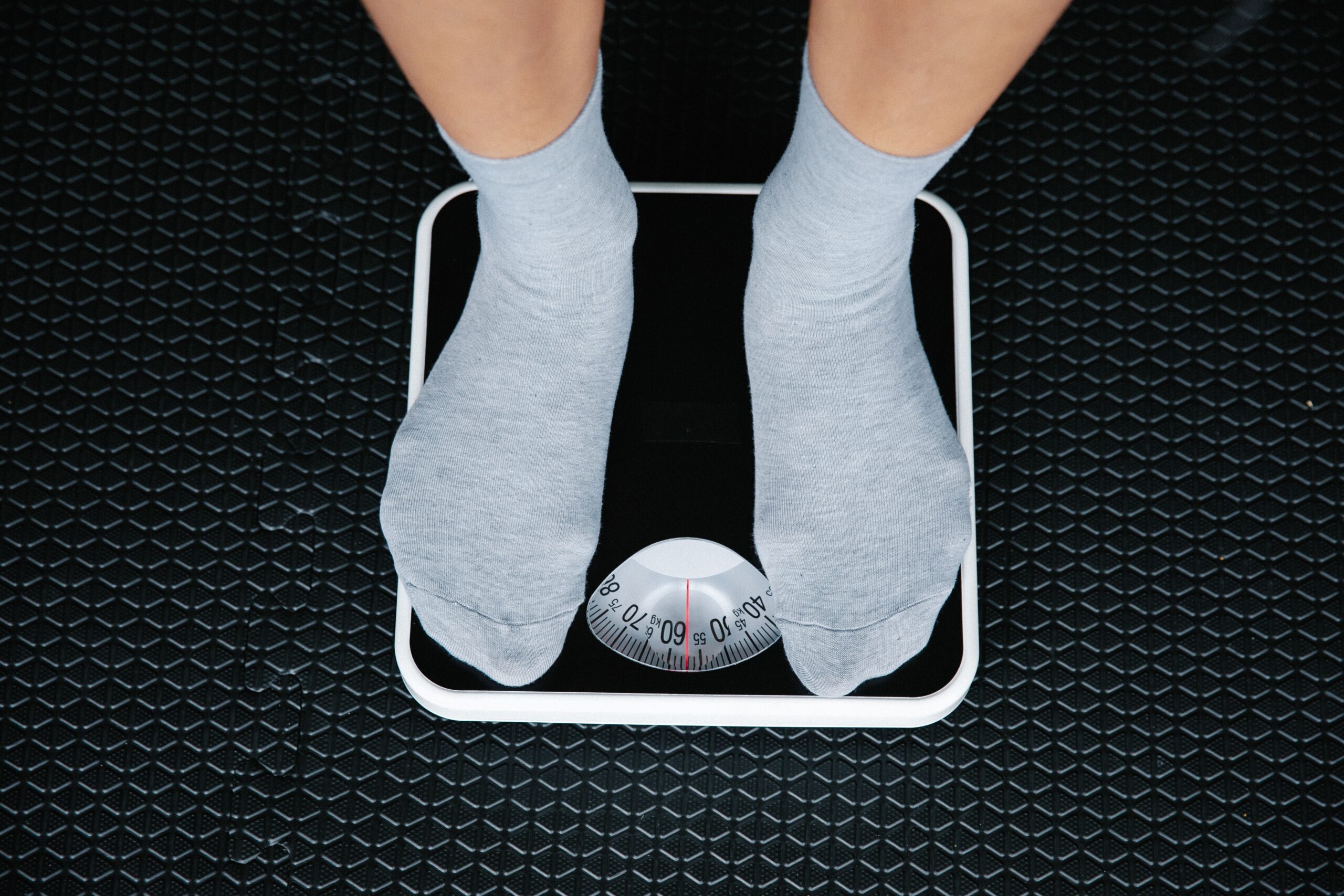
If you have been eating carefully, staying active, and still finding that weight will not shift — particularly around your middle — insulin resistance and weight loss are almost certainly connected. This is not a motivational failure. It is biology. And understanding what is actually happening makes it significantly easier to know what to do about it.
Insulin is not just a blood sugar hormone. It is also your body’s primary fat-storage signal. When insulin levels are chronically high — as they are in insulin resistance — the body is constantly receiving a signal to store fat, and is actively blocked from burning it. This is why adults with insulin resistance often find that standard dieting approaches produce disappointing results: the hormonal environment is working against them, not just the calorie maths.
The good news is that the relationship between insulin resistance and weight loss runs in both directions. Insulin resistance makes weight loss harder — but weight loss, done right, directly reduces insulin resistance. This article explains both sides of that connection, why it gets more complex after 55, and what the evidence says about breaking the cycle.
🗓️ Last reviewed and updated: June 2026
Insulin resistance and weight loss are directly connected in a cycle: excess body fat — particularly around the abdomen — worsens insulin resistance, and insulin resistance makes it harder to lose weight because chronically high insulin levels actively block the body from burning stored fat. Breaking this cycle requires addressing insulin resistance directly through exercise, dietary changes, and sleep — not just reducing calories. A 5–10% reduction in body weight is enough to produce meaningful improvements in insulin sensitivity, but how you lose weight matters as much as how much you lose, especially after 55.
Get Our Free Guide: 7 Natural Ways to Help Support Healthy Blood Sugar After 55
Practical, research-backed strategies for breaking the insulin resistance and weight gain cycle — delivered straight to your inbox.
- Why Insulin Resistance Blocks Fat Burning
- Why This Gets More Complicated After 55
- The Vicious Cycle — and How to Break It
- How Much Weight Loss Improves Insulin Resistance?
- Why the Scales Can Lie — and What to Measure Instead
- How to Lose Weight With Insulin Resistance After 55
- Frequently Asked Questions
Why Insulin Resistance and Weight Loss Are Connected: The Fat-Burning Block
To understand why insulin resistance makes weight loss harder, you need to understand one of insulin’s lesser-known roles. Most people know insulin as the hormone that moves sugar from the blood into cells. What is less widely understood is that insulin is also the body’s primary fat-storage signal — and one of its direct effects is to switch off fat burning.
Insulin’s role in fat storage
When insulin levels are elevated — as they are after eating carbohydrates — the body prioritises using glucose for energy and storing excess energy as fat. At the same time, insulin suppresses lipolysis — the process by which the body breaks down stored fat and uses it for fuel. In simple terms: when insulin is high, the body is in storage mode, not burning mode.
In a person without insulin resistance, insulin levels drop between meals and overnight, giving the body regular windows in which fat burning can occur. In a person with insulin resistance, the pancreas produces much more insulin trying to compensate for cells that are not responding properly. This means insulin levels stay elevated for longer — and the window available for fat burning is smaller. This is the core reason adults with insulin resistance often find that reducing calories produces less weight loss than they expect.
How weight gain then worsens insulin resistance
The relationship also runs in the other direction. Excess body fat — particularly visceral fat, the fat stored around the internal organs — actively worsens insulin resistance. Visceral fat cells release inflammatory compounds directly into the bloodstream and into the liver, disrupting insulin signalling at the cellular level. More visceral fat means more inflammation, which means cells become more resistant to insulin, which means more insulin is produced, which means more fat is stored. This is the vicious cycle — and it is why gaining weight with insulin resistance tends to accelerate rather than plateau.
Why Insulin Resistance and Weight Loss Get More Complicated After 55
The cycle described above affects adults of all ages. After 55, several additional biological changes make the relationship between insulin resistance and weight loss more complex — and standard dieting approaches even less effective.
Menopause and the visceral fat shift in women
For women, the hormonal changes of menopause are one of the most significant and underappreciated drivers of both weight gain and insulin resistance. A 2025 review of adipose tissue after menopause confirmed that postmenopausal women show significantly greater accumulation of visceral fat — fat around the internal organs — due to hormonal shifts that alter fat distribution away from the hips and thighs toward the abdomen. These changes directly drive insulin resistance and metabolic syndrome, and occur independently of overall calorie intake or activity level.
This explains something many women over 55 experience: their weight has not changed dramatically, but their waistline has expanded and their blood sugar numbers have moved in the wrong direction. The fat has redistributed to a more metabolically harmful location — and that redistribution drives insulin resistance through inflammation and disrupted fat cell signalling.
Declining testosterone in men
In men, declining testosterone after 50 produces a similar effect: reduced muscle mass, increased abdominal fat accumulation, and worsening insulin sensitivity. The combination of less muscle (which absorbs blood sugar) and more visceral fat (which disrupts insulin signalling) creates the same pattern of expanding waist, stable or modestly increasing scale weight, and deteriorating metabolic markers.
The muscle loss trap
After 55, when adults lose weight through calorie restriction alone, roughly 25% of what is lost tends to be lean muscle mass rather than fat. Muscle is the primary tissue that absorbs blood sugar from the bloodstream — losing it makes insulin resistance worse, even while the scales show a lower number. This is why calorie restriction alone is often counterproductive for older adults with insulin resistance: it can move the scale while actually worsening the metabolic condition driving it.
The Insulin Resistance and Weight Loss Cycle — and How to Break It
The cycle works like this: visceral fat produces inflammation → inflammation worsens insulin resistance → high insulin blocks fat burning and promotes fat storage → more fat accumulates, particularly viscerally → which produces more inflammation. Breaking this cycle requires interrupting it at multiple points simultaneously — not just reducing calories.
| The Cycle | What Breaks It |
|---|---|
| Visceral fat produces inflammation | Resistance training + reduced refined carbohydrates → reduces visceral fat specifically |
| High insulin blocks fat burning | Reducing refined carbohydrates and meal frequency → lowers insulin levels between meals |
| Muscle loss reduces glucose disposal | Resistance training + adequate protein → preserves and builds muscle |
| Poor sleep elevates cortisol, worsening fat storage | Consistent sleep schedule → reduces cortisol and improves insulin sensitivity overnight |
| Chronic stress keeps cortisol and blood sugar elevated | Stress management → reduces cortisol-driven glucose release and fat storage signals |
How Much Weight Loss Improves Insulin Resistance?
The evidence on how much weight loss is needed to improve insulin resistance is encouraging — meaningful improvements begin at relatively modest levels of loss.
A 2025 study of progressive weight loss and insulin resistance remission found a clear dose-response relationship: the greater the percentage of body weight lost, the greater the remission of insulin resistance. Significant improvements in blood glucose and insulin levels were seen at each threshold of weight loss, with insulin resistance remission rates increasing progressively with greater loss. Meaningful metabolic improvements begin with as little as 5% body weight loss — for a 90 kg adult, that is just 4.5 kg.
| Weight Loss | For a 90 kg adult | Expected Benefit |
|---|---|---|
| 5% body weight | 4.5 kg | Meaningful improvements in fasting blood glucose, insulin levels, and blood pressure |
| 7–10% body weight | 6.3–9 kg | Significant reduction in insulin resistance; HbA1c often moves toward normal range; reduced diabetes risk by 58% in DPP trial |
| Greater than 10% | 9+ kg | Progressive further remission of insulin resistance; for some adults with prediabetes, blood sugar can return to normal range |
The important message here is that you do not need to achieve dramatic weight loss to get meaningful metabolic benefit. A 5% loss — achieved gradually over 3–6 months — already produces clinically significant improvements in insulin resistance. Setting realistic, achievable targets produces better long-term outcomes than attempting rapid dramatic loss that is unsustainable.
Why the Scales Can Lie — and What to Measure Instead
One of the most demoralising experiences adults with insulin resistance have is doing everything right — eating better, exercising more — and watching the scales barely move. This is often genuinely misleading, not evidence that the approach is failing.
Here is what can be happening while the scales stay flat:
- You are losing visceral fat — the metabolically harmful fat around your organs — while gaining or maintaining muscle mass. Visceral fat is denser than muscle; you can be losing it without the scale changing significantly, while your waist circumference reduces and your blood sugar improves.
- Resistance training is building muscle — which is denser than fat. Gaining even 0.5–1 kg of muscle while losing 0.5–1 kg of fat shows as no change on the scales but is a meaningful positive body composition shift.
- Water retention can mask fat loss — particularly in the first few weeks of dietary changes, when glycogen (the form of carbohydrate stored in your muscles as a quick energy reserve) depletes and then rebuilds, carrying water with it.
What to measure instead of, or alongside, scale weight
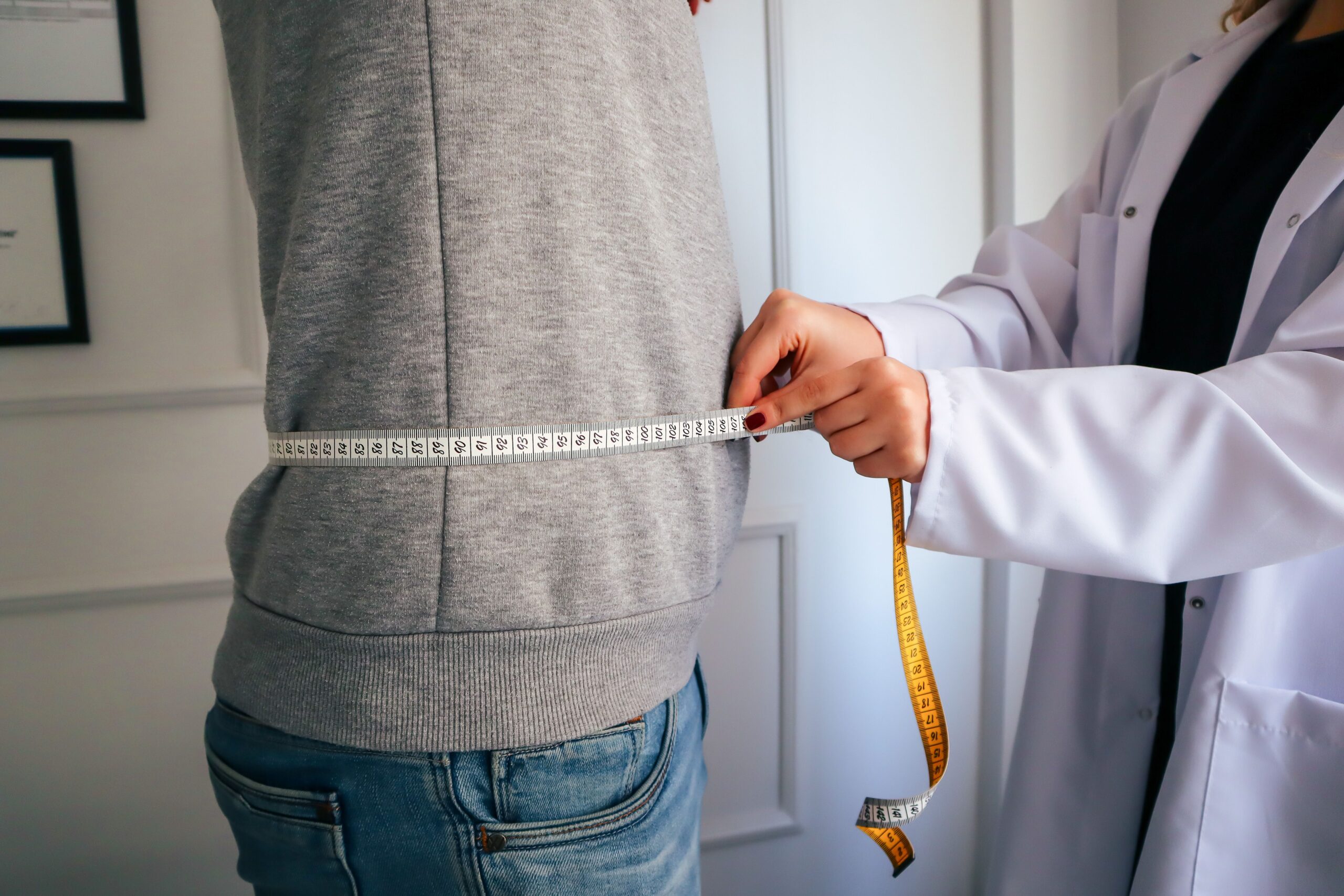
- Waist circumference — measured at navel level each month. Reductions in waist circumference indicate visceral fat loss regardless of scale weight. This is the most clinically meaningful body measurement for insulin resistance.
- Fasting blood glucose — take a reading on a home monitor each morning before eating. A consistent downward trend over 4–8 weeks confirms metabolic improvement.
- HbA1c — ask your doctor for this every 3 months while actively making changes. It reflects your average blood sugar over the past 3 months and is the most reliable objective indicator of improving insulin resistance.
- Energy and cravings — more stable energy after meals and fewer strong sugar cravings are early functional signs that insulin sensitivity is improving.
How to Lose Weight With Insulin Resistance After 55
Given everything above — the fat-burning block, the muscle loss risk, the hormonal shifts of menopause in women and declining testosterone in men, and the scale measurement problem — what does effective weight loss look like for adults over 55 with insulin resistance?
Change the type of food before the amount
For adults with insulin resistance, what you eat affects insulin levels differently than how much you eat. Replacing refined carbohydrates with slow-digesting alternatives — wholegrain bread instead of white, lentils instead of white rice, sweet potato instead of white potato — reduces the size and duration of post-meal insulin spikes. This gives the body more time between meals when insulin is low and fat burning can occur. Do this before you worry about calorie counting.
Prioritise resistance training — not just cardio
A 2025 meta-analysis of 43 randomised controlled trials in adults aged 50 and over found that resistance training significantly improved insulin sensitivity, reduced fasting blood glucose, and increased muscle mass. Crucially, it targets the specific biological weakness that underlies insulin resistance in older adults: declining muscle mass. Three sessions per week is what the evidence supports — and resistance bands, bodyweight exercises, and seated exercises all count.
Eat enough protein
Adults over 55 need more protein than standard guidelines suggest — around 1.2–1.6 g per kg of body weight daily. During weight loss, adequate protein is the primary dietary tool for preserving muscle mass. Without it, a meaningful proportion of weight lost will be muscle rather than fat — which worsens the underlying insulin resistance even as the scale number drops.
Lose weight slowly
Aim for 0.5–1 kg of weight loss per week. Faster loss increases the proportion of muscle lost and is unlikely to be sustained. The 5–7% body weight target from the Diabetes Prevention Program was achieved over 6 months — not weeks. Slow, consistent loss is metabolically superior to rapid crash dieting for adults with insulin resistance.
Do not diet in isolation from sleep and stress
Poor sleep and chronic stress both keep cortisol (a stress hormone) elevated, which directly promotes fat storage — particularly visceral fat — and worsens insulin resistance. Adults who improve their diet and exercise but sleep only 5–6 hours per night or remain under significant chronic stress will find their metabolic progress significantly limited. These are not lifestyle add-ons — they are metabolic interventions in their own right.
For the complete picture of how to address insulin resistance through lifestyle — including detailed exercise and sleep guidance — our pillar guide on what is insulin resistance and how to reverse it naturally covers each intervention in full for adults over 55.
- Insulin resistance and weight loss are connected in a two-way cycle: visceral fat worsens insulin resistance, and high insulin levels block fat burning and promote fat storage.
- After 55, menopause (in women) and declining testosterone (in men) drive visceral fat accumulation independently of calorie intake — worsening insulin resistance even without obvious weight gain.
- Calorie restriction alone often underperforms for adults with insulin resistance because it does not lower insulin levels if the type of food consumed stays the same.
- As little as 5% body weight loss produces meaningful improvements in insulin sensitivity — you do not need dramatic weight loss to get real metabolic benefit.
- The scales can be misleading — waist circumference and fasting blood glucose are more reliable indicators of metabolic progress than scale weight alone.
- The most effective approach combines reducing refined carbohydrates (to lower insulin spikes), resistance training (to build and maintain glucose-absorbing muscle), adequate protein (to protect muscle during weight loss), and improving sleep and stress management.
- Aim for 0.5–1 kg per week of loss, sustained over months — not rapid crash dieting. Slow, consistent loss preserves muscle and produces lasting metabolic improvement.
Get Our Free Guide: 7 Natural Ways to Help Support Healthy Blood Sugar After 55
A practical guide to breaking the insulin resistance and weight gain cycle — including what to eat, how to move, and what to measure. Delivered straight to your inbox.
Frequently Asked Questions
Does insulin resistance make it harder to lose weight?
Yes — and this is one of the most frustrating aspects of the condition. Chronically high insulin levels actively block the body from burning stored fat by suppressing lipolysis — the process of breaking down fat for fuel. At the same time, high insulin promotes fat storage, particularly as visceral fat around the organs. This means adults with insulin resistance often find that reducing calories produces less weight loss than expected, because the hormonal environment is working against fat mobilisation. Addressing insulin resistance directly — through exercise, dietary changes, and sleep — is necessary to make weight loss more effective.
Can losing weight cure insulin resistance?
For many adults — particularly those with prediabetes who have not yet developed type 2 diabetes — meaningful weight loss (5–10% of body weight) combined with dietary and exercise changes can bring insulin resistance down to normal levels and keep it there. This is not guaranteed for everyone, and after 55 the underlying biological changes (muscle loss, hormonal shifts) cannot be fully reversed. But the evidence consistently shows that even partial improvements in insulin resistance produce significant reductions in the risk of type 2 diabetes, cardiovascular disease, and other metabolic complications. Meaningful improvement is achievable; the outcome varies between individuals.
Why is belly fat so hard to lose with insulin resistance?
Visceral fat — the fat stored around your internal organs, which shows up as abdominal girth — is the most metabolically active type of fat and both a cause and consequence of insulin resistance. It is harder to lose than subcutaneous fat (the fat you can pinch under the skin) because it is directly driven by high insulin levels and is replenished by the inflammatory cycle insulin resistance creates. The most effective approach for belly fat specifically targets visceral fat: resistance training, reducing refined carbohydrates (which lower insulin spikes), and improving sleep quality — all of which reduce visceral fat more specifically than general calorie restriction.
How do I know if insulin resistance is preventing my weight loss?
Signs that insulin resistance may be contributing to weight loss difficulty include: weight gain concentrated around the abdomen despite modest overall weight change, strong carbohydrate cravings especially after meals, energy crashes 1–2 hours after eating, borderline fasting blood glucose (5.6–6.9 mmol/L or 100–125 mg/dL) on a blood test, or an HbA1c between 5.7% and 6.4%. Ask your doctor for these blood tests if you have not had them recently. Addressing insulin resistance specifically — rather than just restricting calories — often produces the progress that standard dieting has not.
What is the best diet for weight loss with insulin resistance?
The most evidence-backed dietary approach for weight loss with insulin resistance focuses on reducing refined carbohydrates and added sugar (which drive insulin spikes), eating protein at every meal (which preserves muscle and does not raise blood sugar), prioritising fibre from vegetables and legumes (which slows glucose absorption), and choosing healthy fats from olive oil, oily fish, and nuts. The Mediterranean dietary pattern has the strongest overall evidence. For adults over 55, the additional focus on protein is critical — you need more protein than standard dietary guidelines suggest to preserve the muscle mass that is central to blood sugar management.
For specific information on the warning signs that indicate insulin resistance may be affecting your health, our guide to insulin resistance symptoms covers what to look for in adults over 55. If you are also experiencing fatigue alongside blood sugar issues, our article on does type 2 diabetes make you tired covers the connection between blood sugar and energy levels in detail.