

Founder, HealthAfter55.com — Richard researches natural health strategies for adults over 55, with a focus on blood sugar, energy, and healthy ageing. He is not a medical professional. Always consult your doctor before making health changes.
Berberine for blood sugar support has become one of the most talked-about natural compounds in health research over the past decade — and for good reason. Unlike many supplements that are backed by little more than marketing claims, berberine has a substantial body of clinical research behind it, making it one of the more credible natural options for adults looking to support healthy blood sugar levels.
But with so much information out there — some of it exaggerated, some of it overly cautious — it can be hard to know what berberine actually does, how well it works, and whether it’s appropriate for you. This guide cuts through the noise and gives you an honest, research-based look at what the science really says.
Whether you’ve just heard about berberine for the first time or you’ve been considering it for a while, this article will give you everything you need to make an informed, confident decision.
📋 Free Guide: 7 Natural Ways to Help Support Healthy Blood Sugar After 55
Berberine is just one piece of the puzzle. Get our free guide covering 7 research-backed strategies — written specifically for adults over 55.
Quick Answer
Research suggests that berberine for blood sugar support may help promote healthy fasting glucose levels and HbA1c markers when taken consistently at 500mg two to three times daily with meals. It works primarily by activating AMPK, an enzyme that helps cells use glucose more efficiently. Berberine is not a replacement for prescribed medication, and anyone with diabetes or prediabetes should speak with their doctor before starting supplementation.
What’s In This Guide
What Is Berberine?
Berberine is a naturally occurring plant alkaloid found in several plants including barberry (Berberis vulgaris), goldenseal, Oregon grape, and tree turmeric. It has a long history of use in Traditional Chinese Medicine and Ayurvedic practice, where it was used to address digestive disorders, infections, and metabolic concerns long before modern science began investigating it.
What’s made berberine particularly interesting to researchers in recent decades is its apparent ability to influence metabolic processes at the cellular level — specifically, how the body handles glucose. This has made it one of the most studied natural compounds for blood sugar management, with hundreds of clinical trials now published in peer-reviewed journals.
Berberine for blood sugar is now available as a standalone supplement in capsule, tablet, and powder form, typically standardised to berberine HCl — the hydrochloride salt form that is most stable and most studied.
What This Means For You After 55
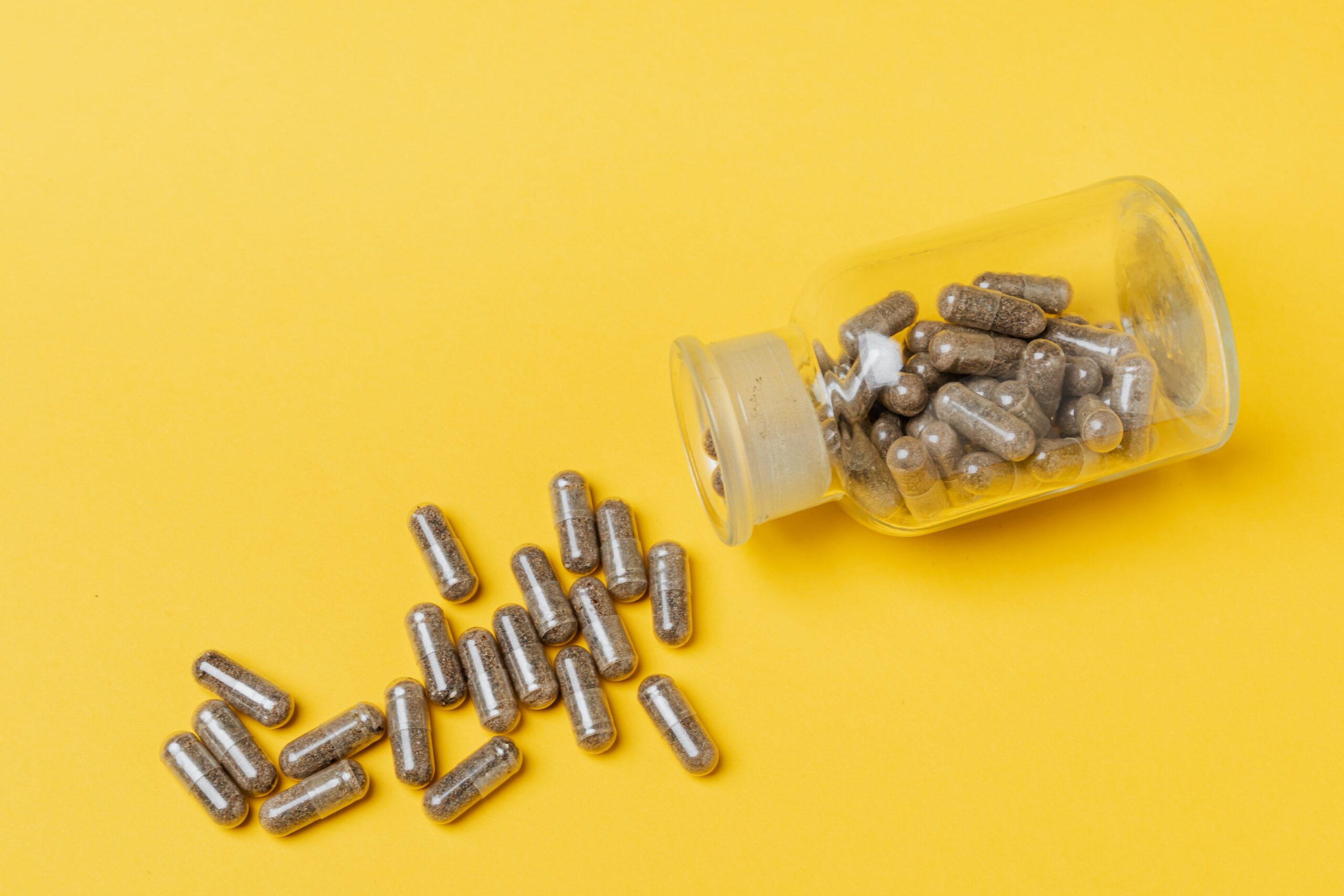
Berberine is bright yellow in colour — a characteristic of the plant alkaloid family it belongs to. If you open a berberine capsule, the vivid yellow colour is completely normal and expected.
How Berberine Works for Blood Sugar
Understanding how berberine works helps explain why the research shows the results it does. There are several mechanisms through which berberine for blood sugar may exert its effects.
Activating AMPK
The primary mechanism is the activation of AMP-activated protein kinase — known as AMPK. This enzyme acts as a cellular energy sensor and is sometimes called a “metabolic master switch.” When AMPK is activated, it signals cells to take up and use glucose more efficiently, reduces glucose production in the liver, and improves insulin sensitivity. This is the same pathway targeted by metformin, one of the most commonly prescribed blood sugar medications worldwide.
Slowing Carbohydrate Absorption
Berberine may inhibit alpha-glucosidase and alpha-amylase — enzymes in the digestive system that break down carbohydrates into glucose. By slowing this process, berberine may help reduce the speed and magnitude of blood sugar spikes after meals.
Improving Insulin Sensitivity
Research suggests berberine may improve the sensitivity of cells to insulin, meaning less insulin is required to achieve the same glucose-lowering effect. This is particularly relevant for adults with insulin resistance — a hallmark of type 2 diabetes and prediabetes. For the broader picture on natural blood sugar support, see our guide on 7 natural ways to support healthy blood sugar after 55.
Supporting the Gut Microbiome
Emerging research has highlighted the relationship between gut bacteria and blood sugar regulation. Berberine appears to positively influence the composition of the gut microbiome in ways that may support metabolic health, though this area of research is still developing.
What the Research Really Shows
The evidence base for berberine for blood sugar is more robust than for most natural supplements. Here’s an honest look at what the key studies actually found.
A comprehensive meta-analysis published in Medicine (PubMed) analysed 27 randomised controlled trials involving 2,569 participants and found that berberine supplementation was associated with meaningful reductions in fasting blood glucose, postprandial blood glucose, and HbA1c compared to placebo or lifestyle intervention alone.
A landmark study published in The Journal of Clinical Endocrinology and Metabolism (PubMed) found that participants taking 500mg of berberine three times daily for three months experienced significant reductions in fasting plasma glucose, with results comparable to those achieved with standard medication in some participants.
More recently, a 2020 review in Oxidative Medicine and Cellular Longevity (PubMed) confirmed berberine’s multiple mechanisms of action and concluded that the compound shows genuine promise as a complementary approach to blood sugar management — particularly when combined with dietary improvements and regular physical activity.
| Study Type | What Was Found | Duration |
|---|---|---|
| Meta-analysis (27 RCTs) | Significant reductions in fasting glucose and HbA1c vs placebo | 8–24 weeks |
| Randomised controlled trial | Fasting glucose reduced comparably to standard medication in some participants | 12 weeks |
| Systematic review | Multiple confirmed mechanisms; strongest results when combined with lifestyle changes | Various |
Berberine vs Metformin — What Studies Say
One of the most cited — and most misrepresented — findings in berberine research is its comparison to metformin. It’s worth being precise about what the studies actually showed.
A study published in Metabolism compared berberine directly to metformin in adults with type 2 diabetes over a 13-week period. Both groups showed similar reductions in fasting blood glucose and HbA1c. This led to headlines claiming berberine “works as well as metformin” — which oversimplifies the findings.
What the research actually shows is that in that specific study, with that specific population, at those doses, the outcomes were comparable. This does not mean berberine is interchangeable with metformin for all people, in all situations. Metformin has decades of safety data, is precisely dosed, and is regulated as a pharmaceutical. Berberine is a supplement with variable quality across products.
Worth Knowing
Never reduce or stop prescribed diabetes medication to take berberine instead without explicit guidance from your doctor. The two may be used together in some cases — but that decision must be made with your healthcare provider, who can monitor your levels appropriately.
How to Take Berberine for Blood Sugar Support

Getting the dose and timing right is essential to getting results from berberine for blood sugar. Here’s what the research supports.
Recommended Dose
The dose used in the majority of clinical trials is 500mg of berberine HCl, taken two to three times daily — for a total of 1,000 to 1,500mg per day. Taking the full daily dose in one sitting is less effective because berberine has a relatively short half-life and works best when maintained at consistent levels throughout the day.
Timing With Meals
Taking berberine 20 to 30 minutes before meals produces the best results, as it allows the compound to be active in the digestive system when carbohydrates are being broken down and absorbed. This may help moderate post-meal blood sugar spikes — one of the primary targets of berberine’s mechanism.
Starting Low and Building Up
Many people experience digestive discomfort — bloating, cramping, or loose stools — when they start berberine at a full dose. Starting with 500mg once daily with your largest meal and gradually increasing over two to four weeks significantly reduces the likelihood of these side effects.
How Long to Take It
Most research showing meaningful benefits ran for at least 8 to 12 weeks. Berberine is not a quick fix — it works gradually and cumulatively. Give it a full three months of consistent use before assessing whether it’s working for you.
| Detail | Research-Based Recommendation |
|---|---|
| Form | Berberine HCl (most studied and stable) |
| Dose per serving | 500mg |
| Daily frequency | 2–3 times per day |
| Best timing | 20–30 minutes before meals |
| Starting approach | Begin with 1x daily, increase over 2–4 weeks |
| Minimum trial period | 8–12 weeks |
Side Effects and Safety Considerations
Berberine for blood sugar is generally well tolerated, but there are important safety considerations — particularly for adults over 55 who may be on other medications.
Common Side Effects
The most frequently reported side effects are gastrointestinal — bloating, nausea, abdominal cramping, constipation, or diarrhoea. These are most common when starting at a full dose and typically improve significantly when the dose is introduced gradually.
Drug Interactions
Berberine may interact with several commonly prescribed medications including metformin, blood thinners (warfarin), cyclosporine, and some statins. If you take any prescription medication, speak with your doctor or pharmacist before starting berberine — this is not optional, it is genuinely important.
Blood Sugar Too Low
Because berberine actively influences blood sugar levels, there is a risk of hypoglycaemia (blood sugar dropping too low) when it is combined with blood sugar-lowering medications. Your doctor can monitor your levels and adjust dosages accordingly if you wish to use both.
Practical Tip
If you experience digestive discomfort when starting berberine, try taking it with food rather than before food, and reduce to a single 500mg dose daily until your body adjusts. Most people find the discomfort resolves within two to three weeks.
Who Should Consider Berberine for Blood Sugar?
Berberine for blood sugar is most likely to be appropriate for adults who meet one or more of the following criteria — always in consultation with a healthcare provider:
- Adults with prediabetes looking for evidence-based natural support alongside dietary and lifestyle changes
- Adults with type 2 diabetes whose doctor is open to complementary approaches alongside existing treatment
- Adults with elevated fasting blood glucose who want to take proactive steps before pharmaceutical intervention becomes necessary
- Adults who have made dietary and lifestyle improvements but want additional nutritional support
Berberine is not appropriate as a standalone replacement for prescribed diabetes medication, for pregnant or breastfeeding women, for children, or for anyone with significant liver or kidney disease without medical supervision.
For guidance on choosing a quality berberine product, see our companion guide: Best Berberine Supplement for Blood Sugar: What to Look For in 2026. And if you’re interested in combining berberine with other natural compounds, see our article on Berberine with Ceylon Cinnamon: Benefits and Best Products.
Key Takeaways
- Berberine for blood sugar has a substantial clinical evidence base — more than most natural supplements — with hundreds of peer-reviewed studies published
- It works primarily by activating AMPK, slowing carbohydrate absorption, and improving insulin sensitivity at the cellular level
- The research-supported dose is 500mg of berberine HCl taken 2–3 times daily, 20–30 minutes before meals
- Studies have shown comparable results to some medications in specific populations — but berberine is not a pharmaceutical replacement and should not be treated as one
- Drug interactions are a genuine concern — always check with your doctor or pharmacist before starting berberine if you take any prescription medication
- Start at a low dose and increase gradually to minimise digestive side effects, and give it at least 8–12 weeks before assessing results
Want the Full Natural Blood Sugar Strategy?
Download our free guide — 7 Natural Ways to Help Support Healthy Blood Sugar After 55 — covering diet, movement, sleep, and more in a simple, practical format written specifically for adults your age.
Frequently Asked Questions
How quickly does berberine lower blood sugar?
Most clinical studies that showed meaningful reductions in fasting blood glucose ran for at least 8 to 12 weeks of consistent supplementation. Some people notice improvements in post-meal readings within two to four weeks, but significant changes in fasting glucose and HbA1c typically take longer. Berberine works gradually — it is not a rapid-acting intervention.
Can I take berberine for blood sugar if I already take metformin?
This is a question for your doctor, not for self-determination. Berberine and metformin work through similar pathways, and combining them without medical supervision creates a risk of blood sugar dropping too low. Some doctors do support combining the two at adjusted doses — but monitoring is essential. Never add berberine to your regimen without discussing it with your prescribing physician first.
Is berberine safe for long-term use?
Most clinical studies have run for three to six months, with berberine generally well tolerated over that period. Longer-term safety data is more limited. Some practitioners recommend cycling — taking berberine for 8 to 12 weeks, taking a break, then resuming — as a precautionary approach. Speak with your doctor about what’s appropriate for your individual situation.
Does berberine work for prediabetes?
Research suggests berberine for blood sugar support shows meaningful results in adults with impaired fasting glucose and prediabetes, not just those with diagnosed type 2 diabetes. Several studies have specifically included participants with prediabetes and found improvements in both fasting glucose and post-meal blood sugar readings. As always, speak with your doctor before starting any supplement.
What is the best form of berberine for blood sugar?
Berberine HCl (hydrochloride) is the most studied and most widely available form, and it is the form used in the majority of clinical trials. Dihydroberberine is a newer form with potentially improved absorption, which may be worth considering if you experience digestive sensitivity to standard berberine HCl. Look for products that specify the form clearly on the label and provide third-party testing certificates.
Richard Wells is the founder of HealthAfter55.com, a resource dedicated to natural health strategies for adults over 55. He researches and writes about blood sugar, energy, and healthy ageing — translating complex science into practical, plain-English guidance. Richard is not a medical professional. Always consult your doctor before making any changes to your health routine.