

Founder, HealthAfter55.com — Richard researches natural health strategies for adults over 55, with a focus on blood sugar, energy, and healthy ageing. He is not a medical professional. Always consult your doctor before making health changes.
If you’ve been researching natural ways to support healthy blood sugar levels, chances are you’ve come across berberine. Finding the best berberine supplement for blood sugar isn’t as simple as grabbing the first bottle you see — and the difference between a quality product and a poor one can be significant.
Walk into any health food store or search online and you’ll find dozens of berberine supplements all claiming to be the best. Different doses, different forms, different price points — it’s overwhelming, especially when you just want something that actually does what it says.
In this guide, we cut through the noise. You’ll learn exactly what to look for in a quality berberine supplement for blood sugar support, which forms the research backs, what dosage studies have used, and the key red flags to avoid — so you can make a confident, informed decision.
📋 Free Guide: 7 Natural Ways to Help Support Healthy Blood Sugar After 55
Before spending money on any supplement, grab our free guide. It covers the 7 most research-backed natural strategies for blood sugar support — including what the science says about berberine, diet, and daily habits. Written specifically for adults over 55.

Quick Answer
The best berberine supplement for blood sugar contains at least 500mg of berberine HCl per serving, is third-party tested for purity, and is taken consistently with meals. Research suggests berberine may help support healthy blood sugar levels when combined with a balanced diet and regular movement. Always speak with your doctor before starting any new supplement, especially if you are on medication.
What’s In This Guide
What Is Berberine and How Does It Work?
Berberine is a natural compound found in several plants, including barberry, goldenseal, and Oregon grape. It has a long history of use in both Traditional Chinese Medicine and Ayurvedic practice, where it was used to support digestion, immune function, and metabolic health.
What makes berberine particularly interesting from a modern research perspective is how it appears to work at the cellular level. Studies suggest berberine may activate an enzyme called AMP-activated protein kinase, or AMPK. This enzyme is sometimes referred to as a “metabolic master switch” because it plays a key role in how the body regulates glucose and fat metabolism.
In simple terms, when AMPK is activated, it may help cells use glucose more efficiently — which is why researchers have been interested in berberine as a natural support for blood sugar management.
What This Means For You After 55
Berberine has been studied extensively in adults with metabolic concerns. Most clinical studies have used doses of 500mg taken two to three times daily with meals over a period of three months or more. This is the standard to measure any supplement against.
What the Research Says About Berberine and Blood Sugar
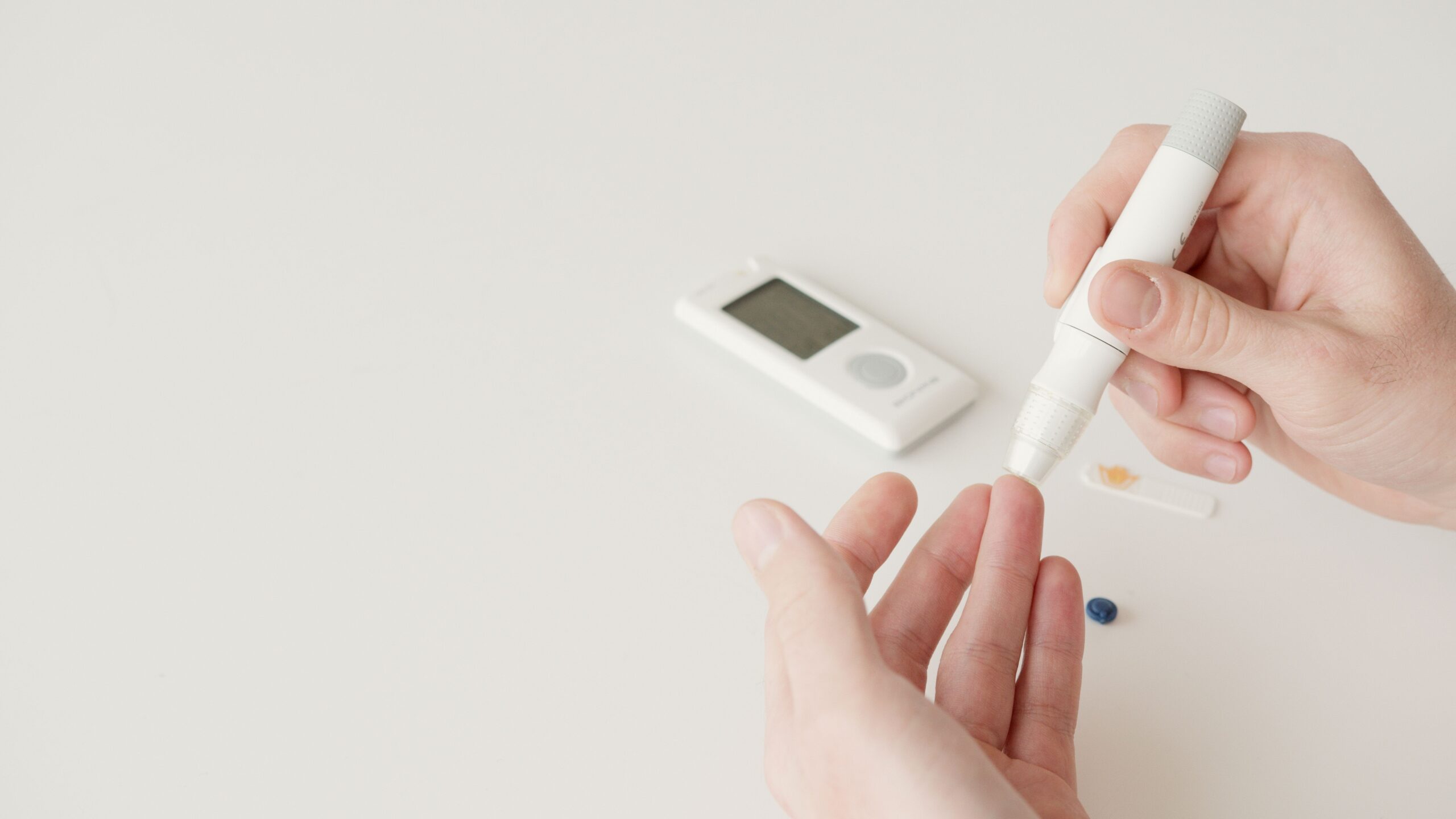
The research on berberine is more substantial than you might expect for a natural supplement. A widely cited meta-analysis reviewed 27 randomised controlled trials and found that berberine may support healthy fasting blood glucose levels and HbA1c markers when used consistently.
A separate study published in Metabolism (PubMed) compared berberine to a commonly prescribed medication in adults with metabolic concerns. The researchers found comparable results in fasting blood glucose reduction — though it is important to note that this does not mean berberine is a replacement for prescribed treatment.
A 2023 review in Frontiers in Pharmacology (PubMed) confirmed that berberine’s potential mechanisms include slowing carbohydrate breakdown in the gut, improving insulin sensitivity, and supporting the gut microbiome — all of which may contribute to more stable blood sugar levels after meals.
A further review in The Journal of Clinical Endocrinology & Metabolism (PubMed) found that berberine supplementation was associated with meaningful reductions in fasting plasma glucose. The best berberine supplement for blood sugar will be dosed to match the amounts used in trials like these — typically 500mg taken two to three times daily.
Worth Knowing
Berberine may interact with certain medications including metformin and blood thinners. If you are currently taking any prescription medication, speak with your doctor before adding berberine to your routine. Never reduce or stop prescribed medication without medical guidance.
What to Look For in a Quality Berberine Supplement
Not all berberine supplements are created equal. The supplement industry is largely self-regulated, which means quality can vary significantly between brands. Here are the key things to look for before you buy.
1. Berberine HCl (Hydrochloride)
Look for supplements that specify berberine HCl — this is the most studied and most bioavailable form of berberine. Generic labels that simply say “berberine extract” without specifying the form are worth approaching with caution.
2. Minimum 500mg Per Serving
The majority of clinical research has used doses of 500mg two to three times daily. A supplement that provides less than 500mg per capsule will require you to take more capsules to reach a meaningful dose — and many people simply don’t do that consistently.
3. Third-Party Testing
Look for supplements that display a certificate of analysis (COA) from an independent third-party lab. This confirms that what’s on the label is actually in the bottle — and that it’s free from heavy metals, contaminants, and fillers.
4. Transparent Labelling
Avoid products that use “proprietary blends” where individual ingredient doses are hidden. You should be able to see exactly how much berberine is in each serving.
5. Manufactured in a GMP-Certified Facility
Good Manufacturing Practice (GMP) certification means the facility meets strict quality and safety standards. This is a minimum bar for any supplement you plan to take long-term.
| What to Look For | Why It Matters | Red Flag |
|---|---|---|
| Berberine HCl specified | Most studied, best absorbed form | “Berberine extract” with no form listed |
| 500mg+ per capsule | Matches clinical research doses | Under 200mg per capsule |
| Third-party tested | Confirms purity and label accuracy | No COA available |
| No proprietary blends | You know exactly what you’re taking | Doses hidden in a “blend” |
| GMP-certified facility | Meets quality and safety standards | No manufacturing information listed |
The Different Forms of Berberine Explained
When you start comparing berberine supplements, you’ll quickly notice that they come in different forms. Understanding the difference can save you money and help you choose a product that’s more likely to work.
Berberine HCl
The most common and most researched form. Berberine HCl is berberine bound to hydrochloric acid, which improves its stability and absorption. This is the form used in the majority of clinical studies and is generally considered the gold standard for supplementation.
Dihydroberberine (DHB)
A newer, reduced form of berberine that some research suggests may be absorbed up to five times more efficiently than standard berberine HCl. Because of this improved absorption, products using DHB often require a lower dose to achieve similar effects. These products tend to be more expensive, but may be worth considering if you have digestive sensitivity to standard berberine.
Berberine with BioPerine
Some formulas combine berberine HCl with BioPerine, a black pepper extract that may improve the absorption of certain compounds. The evidence for BioPerine specifically enhancing berberine absorption is limited, but it is generally considered safe and may offer some additional benefit.
Bottom Line on Forms
For most people, a well-dosed berberine HCl supplement from a reputable brand is the most practical and cost-effective starting point. Dihydroberberine is worth considering if you experience digestive discomfort with standard berberine.
Looking for a natural blood sugar supplement that’s already done the research for you?
Sugar Defender is a natural supplement designed for adults who want a convenient, single-product approach to blood sugar support. If managing multiple supplements separately feels overwhelming, it may be worth exploring as part of your broader strategy.
Affiliate link — we may earn a small commission if you purchase, at no extra cost to you.
Dosage and Timing: Getting It Right
Getting the dose and timing right is just as important as choosing a quality product. Berberine has a relatively short half-life in the body, which means taking it once a day is unlikely to produce the consistent blood levels that research has associated with benefits.
Recommended Approach
Most studies have used 500mg taken two to three times daily, with each dose taken 20 to 30 minutes before a meal. This timing is thought to help berberine influence carbohydrate digestion and glucose uptake at the time when blood sugar naturally rises after eating.
Starting Slowly
Berberine can cause digestive side effects — including bloating, cramping, and loose stools — particularly when starting out or taking higher doses. A common approach is to start with one 500mg dose per day with the largest meal and gradually increase over two to four weeks as your body adjusts.
How Long Before You See Results?
Most studies that showed meaningful results ran for at least 8 to 12 weeks. Berberine is not a quick fix — it works gradually and consistently. Give it a full three months before drawing any conclusions about whether it’s working for you.
| Dosage Detail | Recommendation |
|---|---|
| Standard dose per serving | 500mg berberine HCl |
| Daily frequency | 2–3 times per day |
| Best timing | 20–30 minutes before meals |
| Starting approach | Begin with 1x daily, increase gradually |
| Minimum trial period | 8–12 weeks |
Red Flags to Watch For When Buying Berberine
The supplement market unfortunately has its share of products that overpromise and underdeliver. When searching for the best berberine supplement for blood sugar, these are the warning signs to avoid.
- Claims it “cures” or “reverses” diabetes — no supplement can legally make this claim, and any product that does should be avoided immediately
- No third-party testing or COA available — reputable brands make this information easy to find
- Dose hidden inside a proprietary blend — you have no way of knowing how much berberine you’re actually getting
- No manufacturing information — look for GMP certification and a clear country of manufacture
- Unrealistically cheap pricing — quality berberine HCl from a tested, certified facility has a cost; suspiciously low prices often indicate corner-cutting on quality
- Excessive fillers and additives — a clean supplement should have minimal ingredients beyond the active compound and a basic capsule
Worth Knowing
Berberine sold through third-party marketplace listings can vary enormously in quality. Where possible, purchase directly from the brand’s website or from a reputable health retailer. Check reviews carefully and look for brands that publish their third-party lab results publicly.
For more on berberine, see our research guide on berberine for blood sugar and our article on berberine with Ceylon cinnamon. For the broader picture, see our guide on 7 natural ways to support healthy blood sugar after 55.
Key Takeaways
- Berberine HCl is the most researched and most bioavailable form — look for this specifically on the label
- The best berberine supplement for blood sugar will provide at least 500mg taken 2–3 times daily with meals
- Third-party testing is non-negotiable — always check that a certificate of analysis is available before buying
- Berberine may interact with certain medications — speak with your doctor before starting, especially if you take metformin or blood thinners
- Give any berberine supplement at least 8–12 weeks of consistent use before assessing whether it’s working for you
- Start low and increase gradually to minimise the digestive side effects some people experience when starting out
Want the Full Natural Blood Sugar Strategy?
Download our free guide — 7 Natural Ways to Help Support Healthy Blood Sugar After 55 — covering diet, movement, sleep, and more in a simple, practical format written specifically for adults your age.
Frequently Asked Questions
How long does berberine take to lower blood sugar?
Most clinical studies that showed meaningful results ran for at least 8 to 12 weeks of consistent use. Some people notice changes in fasting blood sugar readings within four to six weeks, but results vary significantly between individuals. Berberine works gradually — it is not a fast-acting intervention.
Can I take berberine if I am already on diabetes medication?
This is an important question to discuss with your doctor before starting berberine. Berberine may have an additive effect when combined with blood sugar-lowering medications, which could potentially cause blood sugar to drop too low. Your doctor can monitor your levels and adjust your plan accordingly.
What is the best time of day to take berberine?
Research suggests taking berberine 20 to 30 minutes before meals produces the best results. This timing allows the compound to be active in the digestive system when carbohydrates from your meal are being broken down and absorbed. Taking it two to three times daily — before breakfast, lunch, and dinner — mirrors the approach used in most studies.
Is berberine safe for long-term use?
Most clinical studies have run for three to six months, and berberine has generally been well tolerated in that timeframe. Long-term safety data beyond 12 months is more limited. Some practitioners recommend cycling berberine — taking it for eight to twelve weeks and then having a break — though this is a precautionary approach rather than one based on strong evidence of harm from continuous use. Speak with your doctor about what approach makes sense for your situation.
What are the most common side effects of berberine?
The most commonly reported side effects are digestive — bloating, nausea, cramping, and loose stools. These are more likely when starting at a full dose. Starting with a lower dose (500mg once daily with food) and gradually increasing over two to four weeks significantly reduces the likelihood of digestive discomfort for most people.
Richard Wells is the founder of HealthAfter55.com, a resource dedicated to natural health strategies for adults over 55. He researches and writes about blood sugar, energy, and healthy ageing — translating complex science into practical, plain-English guidance. Richard is not a medical professional. Always consult your doctor before making any changes to your health routine.