


Founder, HealthAfter55.com — Richard researches natural health strategies for adults over 55, with a focus on blood sugar, energy, and healthy ageing. He is not a medical professional. Always consult your doctor before making health changes.
If you’ve been looking for natural ways to support your blood sugar, chances are you’ve come across berberine. Maybe you’ve heard about cinnamon too. But here’s what most articles don’t tell you — when you combine berberine with Ceylon cinnamon specifically, you may be targeting blood sugar through two completely different pathways at once.
That’s not marketing talk. That’s actually how these two compounds work in the body. And the research behind this combination has grown significantly in recent years, including a 2025 randomised controlled trial published in the European Journal of Nutrition that studied the combination directly.
Diabetes runs in my family. That’s what drove me to spend hundreds of hours researching natural approaches to blood sugar health — and this combination kept coming up in the science. In this guide, I’m going to break down exactly what berberine and Ceylon cinnamon are, why this pairing makes sense, what the research actually shows, how to take them safely, and what to look for in a supplement.
No hype. No miracle claims. Just honest, practical information for adults over 55 who want to make informed decisions about their health.
📋 Free Guide: 7 Natural Ways to Help Support Healthy Blood Sugar After 55
If you’re exploring natural ways to support your blood sugar, our free guide covers seven research-backed strategies written specifically for adults over 55 — including food, movement, and supplementation.
Quick Answer
Berberine with Ceylon cinnamon is a natural supplement combination that may support healthy blood sugar levels by working through two different mechanisms — berberine targets the liver and cellular energy systems via AMPK activation, while Ceylon cinnamon works on insulin receptor sensitivity and glucose transport. A 2025 randomised controlled trial found the combination significantly improved fasting blood sugar, HbA1c, and LDL cholesterol in adults with type 2 diabetes. Always consult your doctor before starting, especially if you take blood sugar medication.
What You’ll Learn
- Why Blood Sugar Gets Harder to Manage After 55
- What Is Berberine and Why Are People Talking About It?
- What Makes Ceylon Cinnamon Different From Regular Cinnamon?
- Why This Combination May Work Better Than Either Alone
- What Does the Research Actually Show?
- Who Should — and Shouldn’t — Consider This Combination
- How to Take Berberine with Ceylon Cinnamon Safely
- What to Look For When Choosing a Supplement
- The Bottom Line
- Frequently Asked Questions
Why Blood Sugar Gets Harder to Manage After 55
Before we get into the supplements, it’s worth understanding why blood sugar management becomes a bigger challenge as we age — because it changes how we think about solutions.
After the age of 55, several things happen in the body that make maintaining healthy blood sugar more difficult. Muscle mass naturally declines — and muscle is one of the primary places your body stores and burns glucose. Less muscle means less capacity to clear sugar from the bloodstream after meals.
At the same time, insulin sensitivity tends to decrease. This means your cells become less responsive to insulin’s signal to absorb glucose — a condition known as insulin resistance. The pancreas compensates by producing more insulin, but over time this system becomes strained.
Liver glucose regulation also becomes less precise with age. The liver is responsible for releasing stored glucose between meals, but in many older adults it releases too much — contributing to elevated fasting blood sugar even without eating anything.
None of this is inevitable or irreversible. Diet, exercise, sleep, stress management and — for some people — targeted supplementation can all make a meaningful difference. Understanding the mechanism helps you choose the right tools.
What Is Berberine and Why Are People Talking About It?
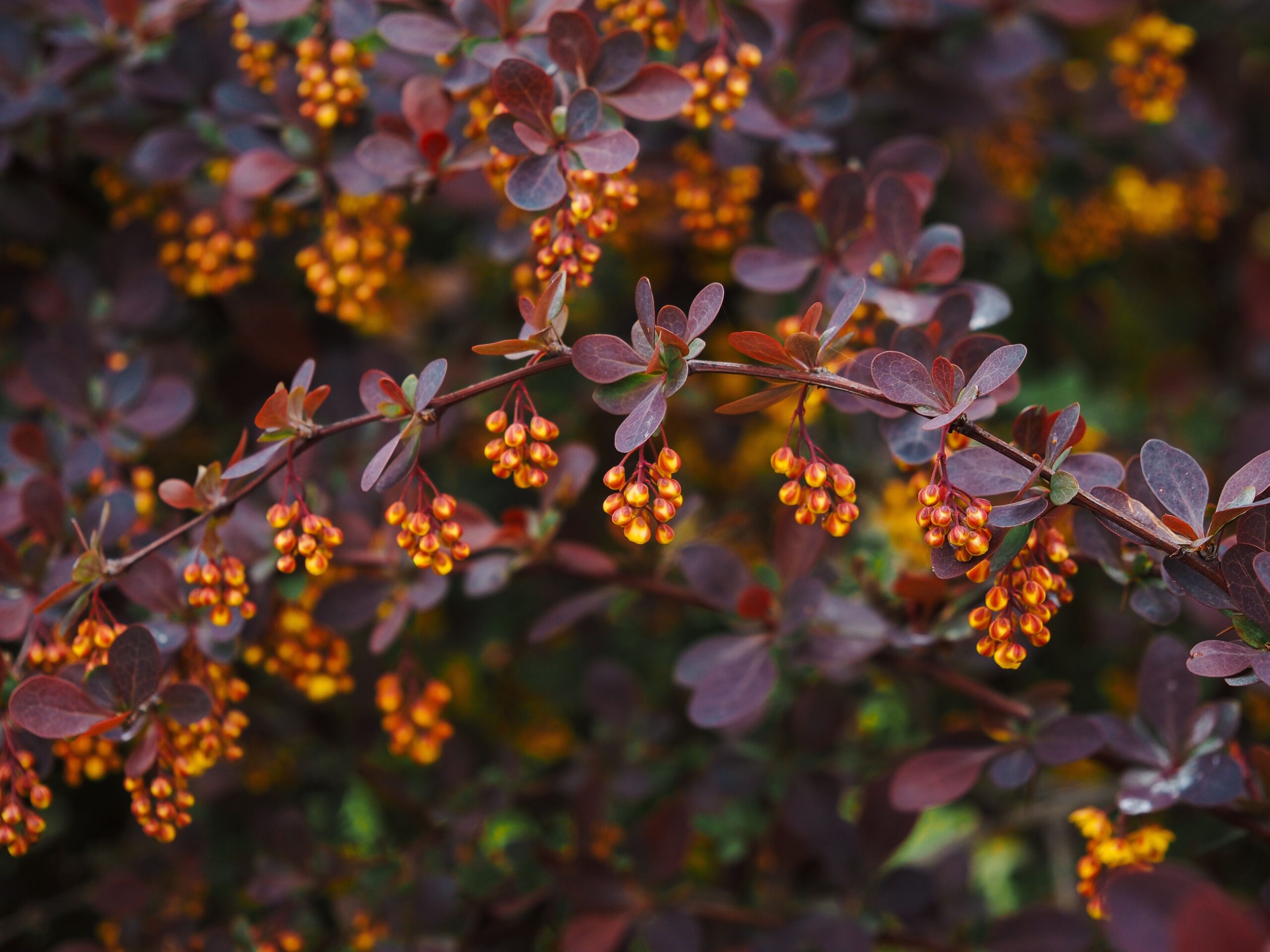
Berberine is a bright yellow alkaloid compound found in several plants, including barberry (Berberis vulgaris), goldenseal, Oregon grape, and tree turmeric. It has been used in traditional Chinese and Ayurvedic medicine for centuries — primarily for its antimicrobial and anti-inflammatory properties. But it’s only in the last two decades that Western science has uncovered why it may also be one of the most powerful natural tools for blood sugar support.
The key is an enzyme called AMPK — adenosine monophosphate-activated protein kinase. AMPK is often called the body’s “metabolic master switch.” When activated, it triggers a cascade of effects that help the body manage glucose more efficiently.
Berberine activates AMPK by mildly inhibiting mitochondrial Complex I — this causes a slight rise in the AMP/ATP ratio, which in turn switches AMPK on. When that happens:
- The liver reduces its production of new glucose (gluconeogenesis)
- Cells become more sensitive to insulin
- Glucose uptake into muscle cells improves
- Fat oxidation increases
- Insulin receptors are upregulated — improving how well cells respond to insulin’s signal
This is why berberine is often compared to metformin, the most widely prescribed type 2 diabetes medication — both work through AMPK activation, though through slightly different mechanisms.
The landmark study that put berberine on the map was published in 2008 in the journal Metabolism. Participants took 500mg of berberine three times daily for 13 weeks. The results were striking — HbA1c dropped from 9.47% to 7.48%, fasting blood glucose fell by approximately 35%, and post-meal blood sugar dropped by nearly half. The study’s conclusion: the blood sugar effect of berberine was comparable to that of metformin.
A 2023 meta-analysis of 20 randomised controlled trials confirmed this effect holds across diverse populations, doses, and study durations — finding berberine reduced fasting glucose by an average of 0.52 mmol/L.
What Makes Ceylon Cinnamon Different From Regular Cinnamon?
This is where most articles get it completely wrong — and it’s a distinction that genuinely matters for your long-term health.
There are two main types of cinnamon sold in shops and in supplements. They look similar, they smell similar, and they’re both called “cinnamon” on most labels. But for daily supplementation, they are not interchangeable.
| Feature | Ceylon Cinnamon | Cassia Cinnamon |
|---|---|---|
| Also Known As | “True cinnamon” | Common / Chinese cinnamon |
| Latin Name | Cinnamomum verum | Cinnamomum cassia |
| Origin | Sri Lanka | China, Indonesia |
| Coumarin Content | Negligible (trace amounts) | High — up to 100x more |
| Safe for Daily Use? | ✅ Yes — long term | ⚠️ Risk at therapeutic doses |
| Taste Profile | Mild, delicate, slightly sweet | Strong, spicy, bitter |
| Found In Most Supplements? | Less common — check the label | Yes — most “cinnamon” supplements |
| Cost | Slightly more expensive | Budget-friendly |
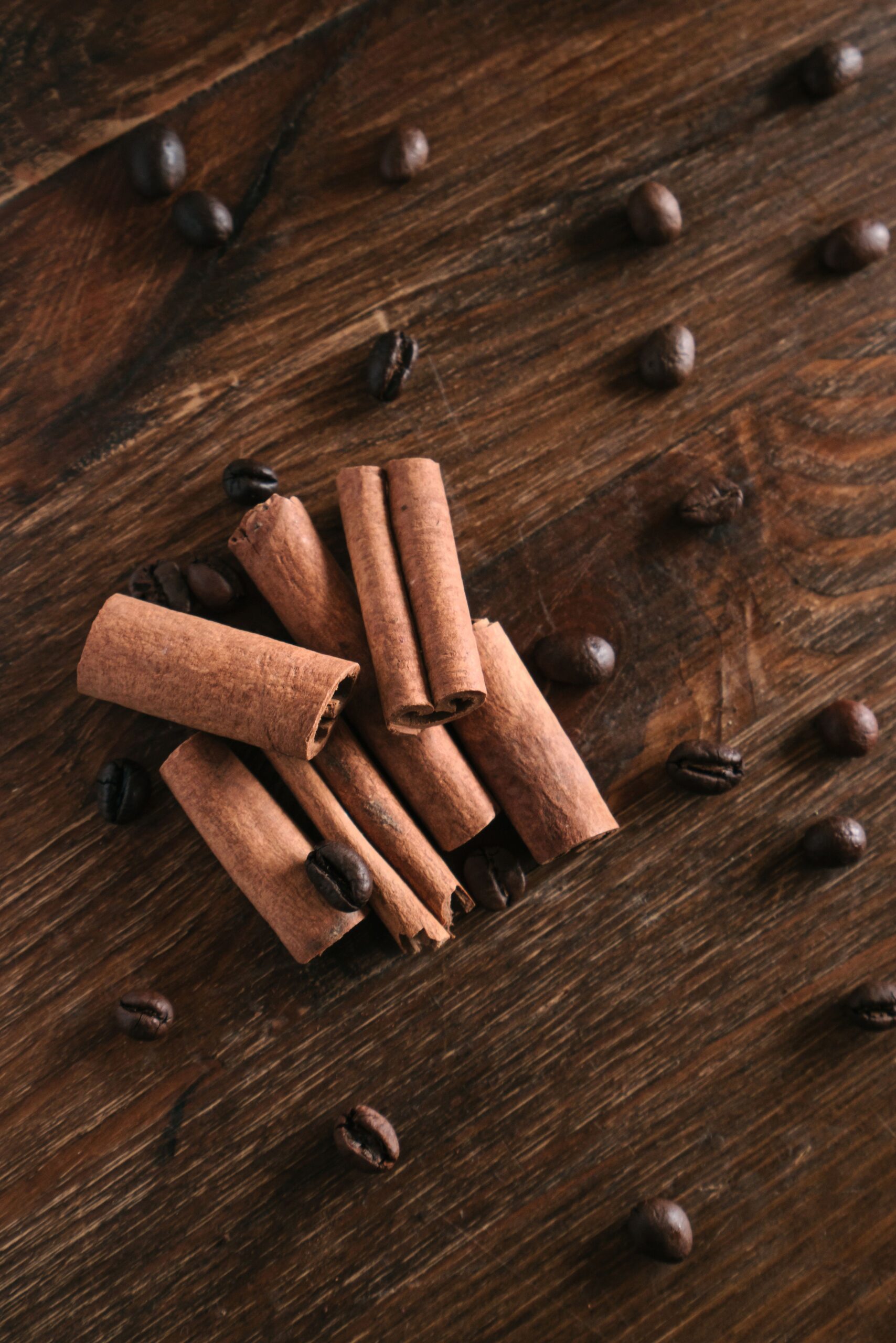
The key issue with cassia cinnamon is a compound called coumarin. At the therapeutic doses used for blood sugar support — around 2 to 4 grams per day — cassia cinnamon delivers coumarin levels that can exceed the tolerable daily intake set by the European Food Safety Authority. Over weeks and months of daily use, this creates a real risk of liver stress, particularly in people who are more sensitive to coumarin.
Ceylon cinnamon contains negligible amounts of coumarin, making it the safe choice for long-term daily supplementation.
How does Ceylon cinnamon support blood sugar? Research suggests it works through several mechanisms — it enhances insulin receptor sensitivity, increases the expression of GLUT4 (the protein that transports glucose from the bloodstream into muscle cells), and may slow gastric emptying slightly, which helps moderate blood sugar spikes after meals. A 2025 meta-analysis of 28 randomised trials in over 3,000 participants found cinnamon reduced fasting blood glucose by an average of 15.26 mg/dL — a clinically meaningful reduction.
Why This Combination May Work Better Than Either Alone
Here’s the science that makes this pairing genuinely compelling — and it’s not simply a case of “two good things must be better than one.”
Berberine and Ceylon cinnamon work on completely different steps in glucose metabolism. They don’t overlap. They complement each other by targeting separate points of failure.
Berberine works upstream: It activates AMPK, suppresses the liver’s overproduction of glucose, and improves insulin receptor expression at a cellular level. It’s targeting the metabolic control system.
Ceylon cinnamon works downstream: It sensitises insulin receptors to respond more effectively to insulin’s signal, enhances the insulin signalling cascade (IRS-1, PI3K, Akt), and increases GLUT4 expression at cell membranes. It’s targeting the insulin response machinery.
Think of it this way. If your blood sugar is elevated, two things may be happening simultaneously — your liver is producing too much glucose, and your cells aren’t responding efficiently enough to insulin. Berberine addresses the first. Ceylon cinnamon addresses the second. Combined, they tackle both problems at once.
This is also why combining two different berberine products, or simply doubling the dose of either one, won’t produce the same result. The value of this pairing comes entirely from targeting different mechanisms — not from adding more of the same thing.
Building a supplement routine takes time — start with one compound, assess the results, then consider adding a second if appropriate.
What Does the Research Actually Show?
Let’s look at the evidence honestly — what it supports, and where the limitations are. No cherry-picking. No overclaiming.
Berberine alone — strong evidence: Multiple large meta-analyses have consistently shown meaningful reductions in fasting blood glucose, HbA1c, and post-meal blood sugar. The 2008 landmark study showed results comparable to metformin. A 2023 meta-analysis of 20 randomised trials confirmed average fasting glucose reductions of 0.52 mmol/L across diverse populations.
Cinnamon alone — encouraging evidence: Results are more variable depending on the type of cinnamon, dose, and duration. However, multiple meta-analyses show consistent, meaningful reductions in fasting blood glucose. The most recent 2025 meta-analysis — covering 28 randomised trials and over 3,000 participants — found an average reduction of 15.26 mg/dL in fasting blood glucose.
The combination — emerging but promising: A 2025 double-blind randomised controlled trial published in the European Journal of Nutrition directly examined berberine and cinnamon co-supplementation in adults with type 2 diabetes over 12 weeks. The combination produced significant reductions in fasting blood sugar, HbA1c, and LDL cholesterol compared to placebo — addressing multiple cardiometabolic risk factors simultaneously.
| Supplement | Key Finding | Source |
|---|---|---|
| Berberine | HbA1c reduced from 9.47% to 7.48% in 13 weeks | Metabolism, 2008 |
| Berberine | Avg fasting glucose reduction of 0.52 mmol/L across 20 RCTs | Meta-analysis, 2023 |
| Cinnamon | Avg fasting glucose reduction of 15.26 mg/dL across 28 RCTs | Meta-analysis, 2025 |
| Combined | Significant improvements in fasting glucose, HbA1c and LDL in 12-week RCT | Eur J Nutrition, 2025 |
To be clear about limitations: most studies are 8–16 weeks in duration, individual responses vary significantly, and research in the specific 55+ age group is still limited. Supplements are not medications. They work best as part of a broader approach — healthy diet, regular movement, adequate sleep, reduced stress, and ongoing medical supervision.
Who Should — and Shouldn’t — Consider This Combination
Being honest about who this is and isn’t for is just as important as sharing the research. Here’s a straight answer.
Supplementation works best alongside a blood sugar friendly diet — prioritising fibre, protein, and healthy fats at each meal.
This combination may be worth exploring if you:
- Have been told you have prediabetes or are at risk of type 2 diabetes
- Have elevated fasting blood sugar that your doctor is monitoring
- Have insulin resistance or metabolic syndrome
- Are looking to complement lifestyle changes with natural support
- Have a family history of diabetes and want to be proactive
- Are over 55 and noticing it’s harder to manage blood sugar after meals
This combination may not be appropriate if you:
- Are already on blood sugar medication — the additive effect can cause blood sugar to drop too low without medical supervision
- Take blood thinners such as warfarin — speak to your doctor first
- Have a liver condition — berberine is processed by the liver
- Are pregnant or breastfeeding
- Take certain antibiotics or immunosuppressants — berberine can interact with how these are metabolised
How to Take Berberine with Ceylon Cinnamon Safely
Getting the dosage right matters — both for effectiveness and for avoiding side effects. Here’s what the research supports.
| Supplement | Recommended Dose | When to Take | Notes |
|---|---|---|---|
| Berberine | 500mg x 3 daily (1,500mg total) | With each main meal | Start at 300mg if sensitive stomach |
| Ceylon Cinnamon | 2–4g daily | With breakfast or lunch | Must specify Ceylon on label |
| Duration | 8–12 weeks minimum | Consistent daily use | Results are not immediate |
Common side effects to know about: The most frequent issue with berberine is mild digestive discomfort — nausea, bloating, or loose stools — particularly in the first two to three weeks. Taking it with food rather than on an empty stomach significantly reduces this. Starting at 300mg per dose and gradually increasing over two weeks is a sensible approach if you’re sensitive.
How long before you notice a difference? Research suggests meaningful changes in blood sugar markers — particularly fasting glucose and HbA1c — typically appear after 8 to 12 weeks of consistent daily use. Some people notice improvements in post-meal energy and fewer blood sugar spikes sooner. But be patient — these are not fast-acting medications.
What to Look For When Choosing a Supplement
The supplement industry is largely unregulated. Quality varies enormously — and with berberine and Ceylon cinnamon specifically, there are several ways a product can let you down without you realising it.
For a full breakdown of the best berberine products available in 2026, see our companion guide: Best Berberine Supplement for Blood Sugar — What to Look For. For a deeper look at the research behind berberine alone, see our guide on berberine for blood sugar.
1. Confirm Ceylon — not just “cinnamon”
Non-negotiable. The label must say “Ceylon cinnamon,” “Cinnamomum verum,” or “Cinnamomum zeylanicum.” If it just says “cinnamon” or “Cinnamomum cassia,” it is the cheaper and potentially problematic cassia variety.
2. Know your berberine form
Standard berberine hydrochloride (HCl) is the most widely researched form — it’s what was used in the major studies and works well at 500mg doses. Berberine phytosome is a newer, better-absorbed form that some research suggests may be effective at lower doses (typically 500mg total per day rather than 1,500mg). Both are legitimate. Berberine HCl is more affordable; phytosome is more bioavailable.
3. Look for third-party testing
Independent testing by organisations like NSF International, USP, or Informed Sport verifies that what’s on the label is actually in the capsule. This matters more than brand reputation alone.
4. Avoid proprietary blends
If a product lists berberine or cinnamon under a “proprietary blend” without specifying the exact amount per ingredient, you have no way of knowing whether you’re getting a therapeutic dose. Transparency matters.
5. GMP certified manufacturing
Look for “manufactured in a GMP-certified facility” on the label. GMP (Good Manufacturing Practice) is a basic quality standard that reputable supplement manufacturers meet.
Looking for a convenient natural blood sugar formula?
Sugar Defender is a natural supplement designed for adults who want to take a proactive daily approach to blood sugar support. It combines plant-based ingredients formulated to support healthy glucose metabolism — a single convenient product rather than managing multiple supplements separately.
Affiliate link — we may earn a small commission if you purchase, at no extra cost to you.
The Bottom Line
Berberine with Ceylon cinnamon is one of the more interesting natural combinations in the blood sugar space — not because of marketing, but because the science gives it a logical foundation. Two compounds. Two different mechanisms. Two different points of failure in glucose metabolism, both addressed simultaneously. If you are looking at the broader picture of natural blood sugar support, our 7 Natural Ways to Support Healthy Blood Sugar After 55 covers the full strategy including food, movement, and supplementation together.
The research on berberine is substantial and consistent. The research on cinnamon is encouraging, particularly when Ceylon is used. And the 2025 randomised trial studying the combination directly adds meaningful weight to what was previously theoretical reasoning.
For adults over 55 — where declining muscle mass, reduced insulin sensitivity, and less precise liver glucose regulation all converge — this combination targets the right problems.
But it’s not magic. It’s not a replacement for medication. And it’s not a shortcut around diet, exercise, and sleep. Think of it as a potential addition to a broader health strategy — one worth discussing with your doctor, tracking carefully, and giving a genuine 12-week trial before drawing conclusions.
Start with the right form of cinnamon. Confirm the dose. Talk to your doctor first. And give it time.
Key Takeaways
- After 55, two key drivers of elevated blood sugar are liver glucose overproduction and declining insulin sensitivity — berberine and Ceylon cinnamon target these separately
- Berberine activates AMPK — a cellular energy switch — reducing liver glucose production and improving insulin sensitivity
- Ceylon cinnamon is the only form safe for daily long-term supplementation — cassia cinnamon contains high levels of coumarin that may stress the liver at therapeutic doses
- A 2025 randomised controlled trial found the combination significantly improved fasting glucose, HbA1c, and LDL cholesterol in adults with type 2 diabetes
- Standard berberine dosage is 500mg three times daily with meals; Ceylon cinnamon is 2–4g daily
- Always speak to your doctor before starting — especially if you take blood sugar medication, blood thinners, or have liver concerns
Want the Full Natural Blood Sugar Strategy?
Download our free guide — 7 Natural Ways to Help Support Healthy Blood Sugar After 55 — covering diet, movement, sleep, and more in a simple, practical format written specifically for adults your age.
Frequently Asked Questions
Can I take berberine with Ceylon cinnamon at the same time?
Yes — there are no known negative interactions between berberine and Ceylon cinnamon. In fact, research suggests they complement each other by working through different mechanisms. That said, because both compounds may help lower blood sugar, monitor your levels carefully and always inform your doctor, particularly if you take any blood sugar medications.
How long does it take for berberine and Ceylon cinnamon to work?
Most research suggests meaningful improvements in blood sugar markers appear after 8 to 12 weeks of consistent daily use. Some people notice improvements in post-meal energy or fewer blood sugar spikes sooner, but significant changes to fasting glucose and HbA1c take time. Consistency is key — these are not fast-acting medications.
Is Ceylon cinnamon better than regular cinnamon for blood sugar?
For daily supplementation, yes — significantly. Regular supermarket cinnamon is almost always cassia cinnamon, which contains high levels of coumarin. At therapeutic doses of 2–4g per day, long-term cassia use may stress the liver. Ceylon cinnamon contains negligible coumarin and is considered safe for daily long-term use. Always check the label carefully.
Can berberine replace metformin?
This is a question only your doctor can answer for your specific situation. Some research has compared berberine’s blood sugar effects to metformin in certain studies. However, berberine is not a medication, has not been approved to treat or manage diabetes, and should never replace prescribed treatment without medical supervision. Always speak to your doctor before making any changes to medication.
What are the side effects of taking berberine?
The most common side effects are digestive — nausea, bloating, or loose stools, particularly in the first two to three weeks. Taking berberine with food and starting at a lower dose (300mg rather than 500mg per dose) can help significantly. Berberine may also interact with certain medications including blood thinners, some antibiotics, and diabetes drugs — always check with your doctor or pharmacist before starting.
Does berberine with Ceylon cinnamon help with weight loss?
Both compounds have been studied in the context of metabolic health and weight management, and some research suggests berberine may support modest weight loss through its effects on metabolism and insulin sensitivity. However, neither supplement is a weight loss product, and any effects are likely modest without accompanying diet and lifestyle changes. Do not take either supplement with the expectation of significant weight loss alone.
Richard Wells is the founder of HealthAfter55.com, a resource dedicated to natural health strategies for adults over 55. He researches and writes about blood sugar, energy, and healthy ageing — translating complex science into practical, plain-English guidance. Richard is not a medical professional. Always consult your doctor before making any changes to your health routine.